Agentic AI | Generative AI | LLMs | RAG | Agentic AI Frameworks 🌈 TOPICS detailed explanations
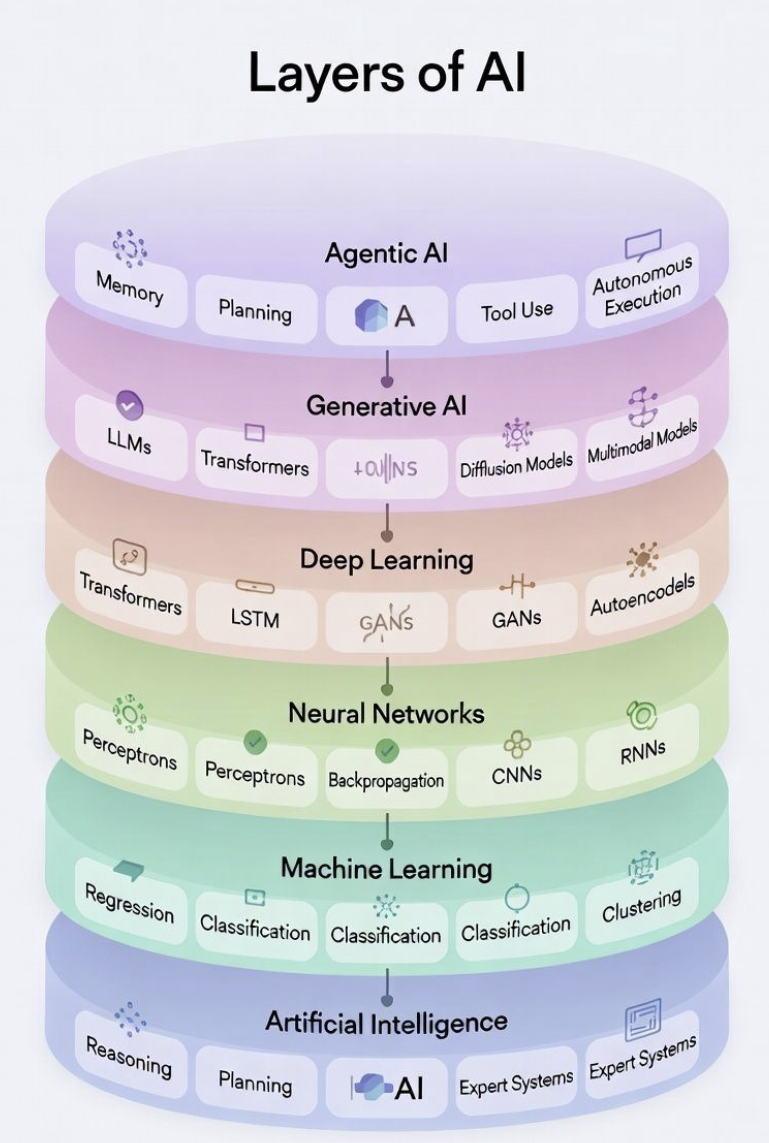
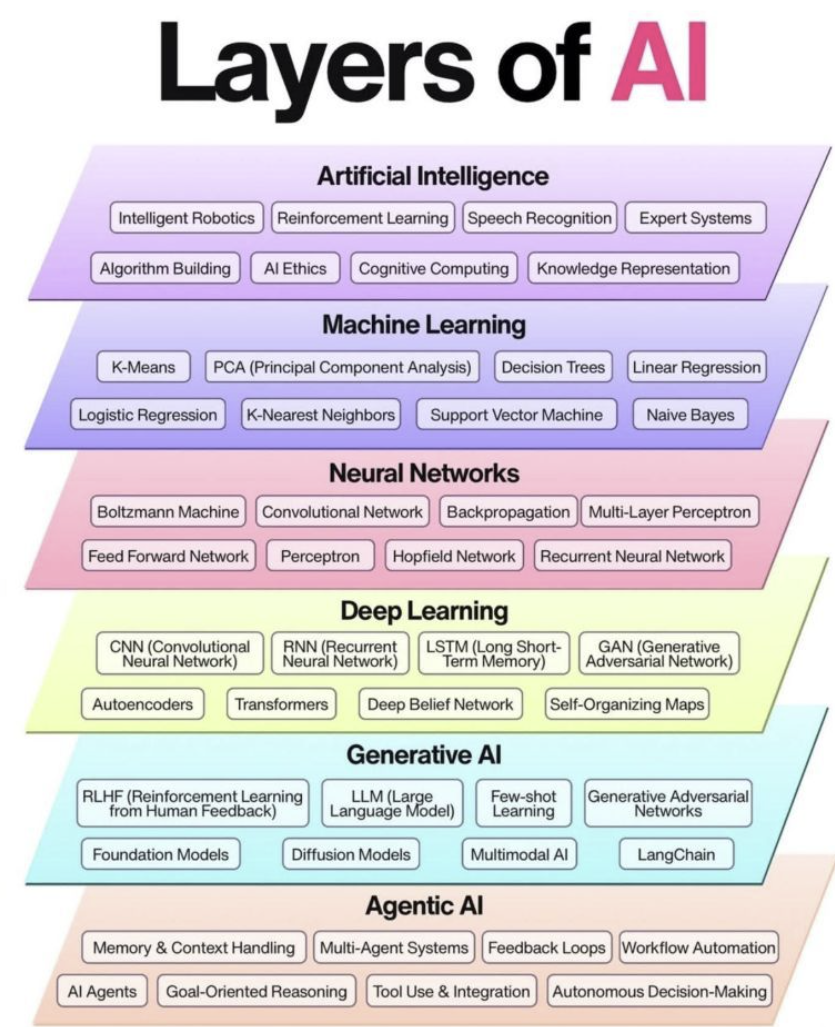
𝗨𝗻𝗱𝗲𝗿𝘀𝘁𝗮𝗻𝗱𝗶𝗻𝗴 𝘁𝗵𝗲 𝗟𝗮𝘆𝗲𝗿𝘀 𝗼𝗳 𝗔𝗜

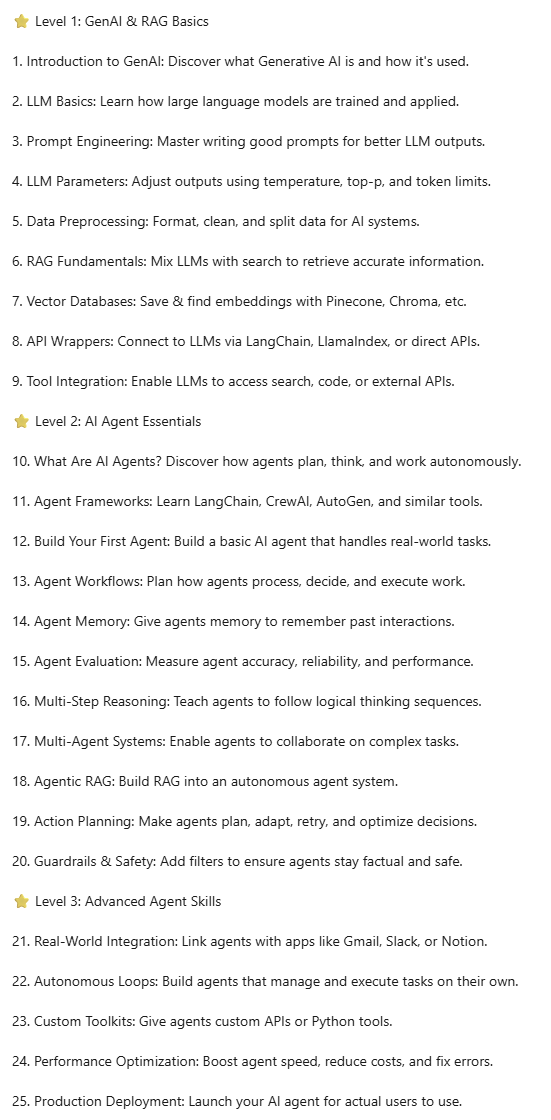
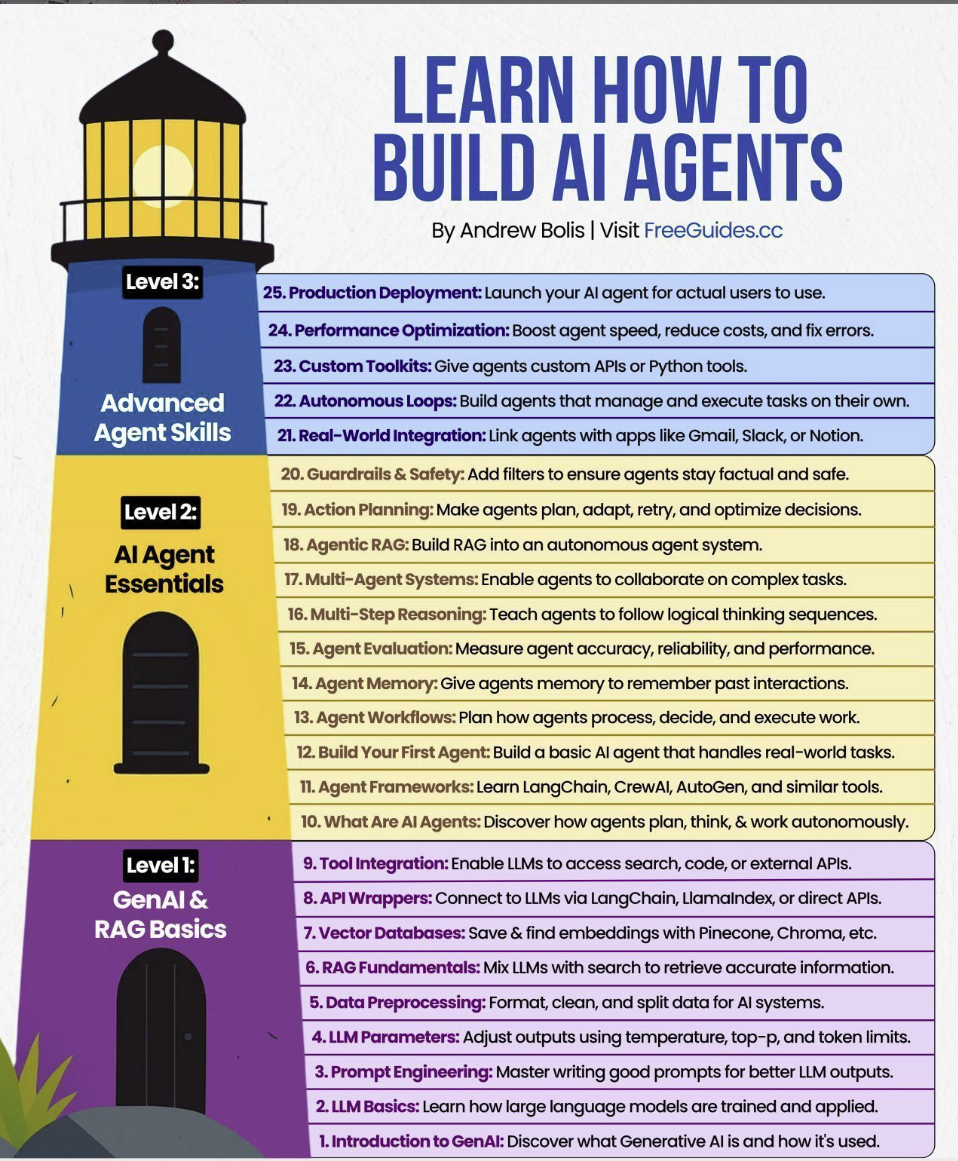
AI agents roadmap divided into 3 levels
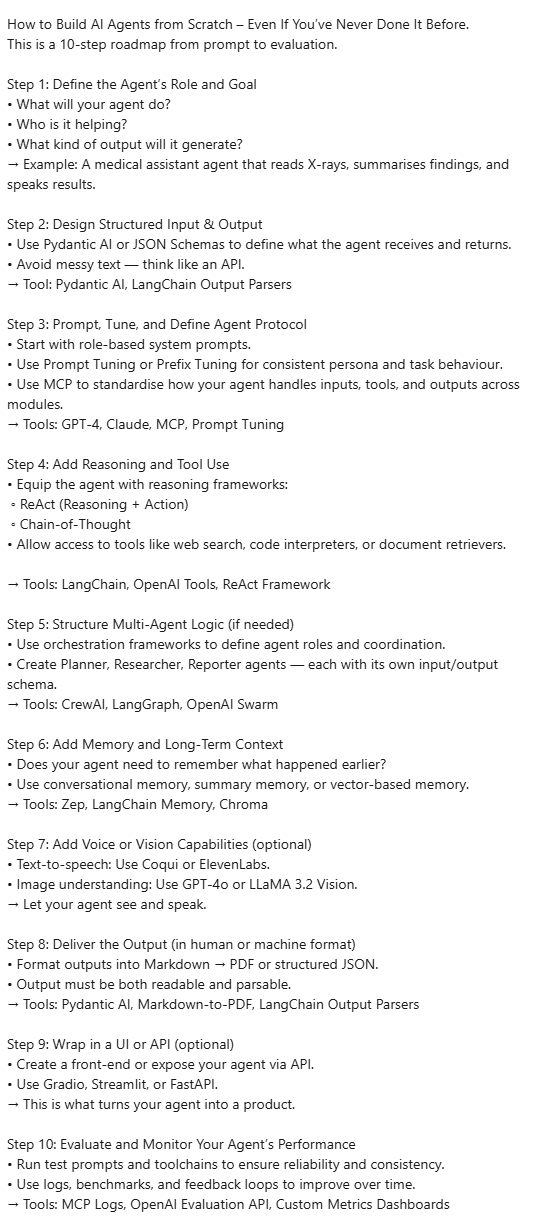

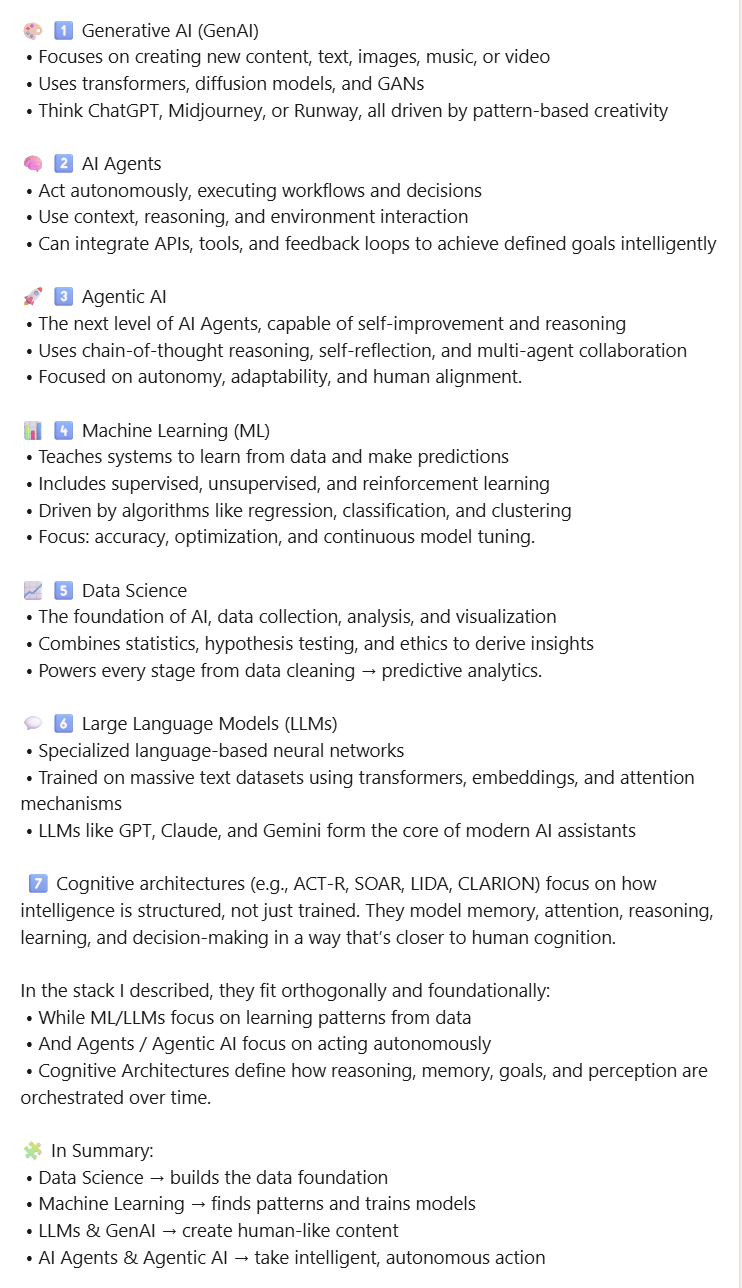
GenAI vs AI Agents vs Agentic AI vs ML vs Data Science vs LLM vs Cognitive architectures.

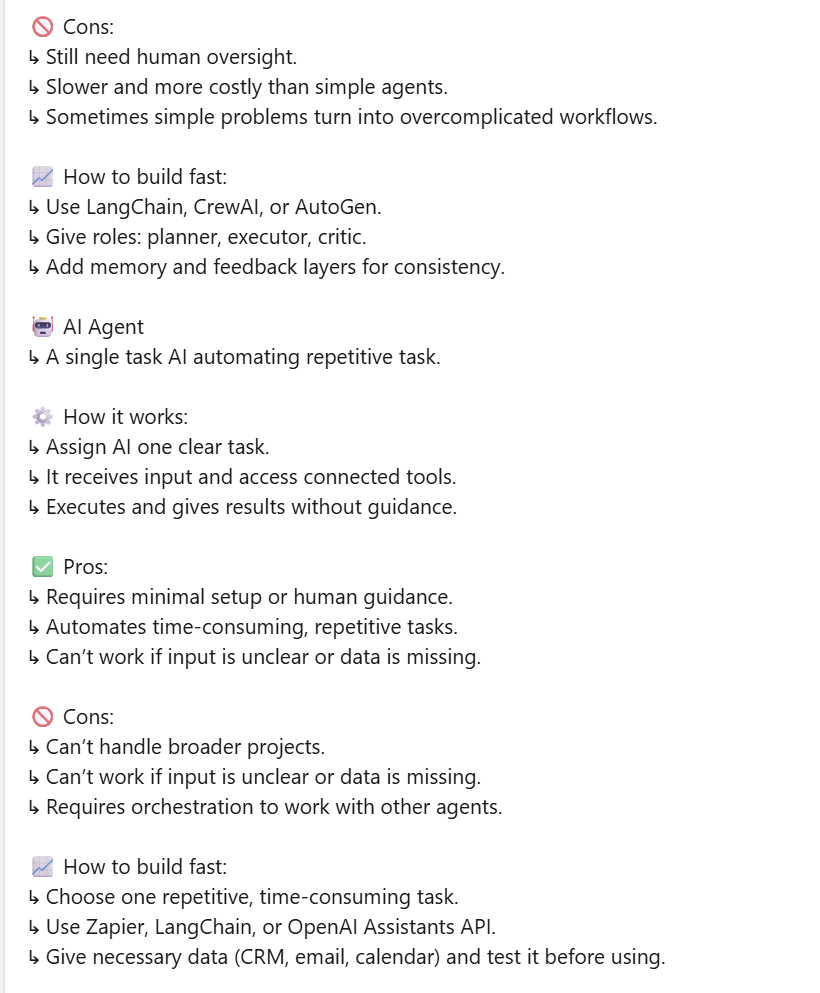
There are 3 AI workflows worth knowing:

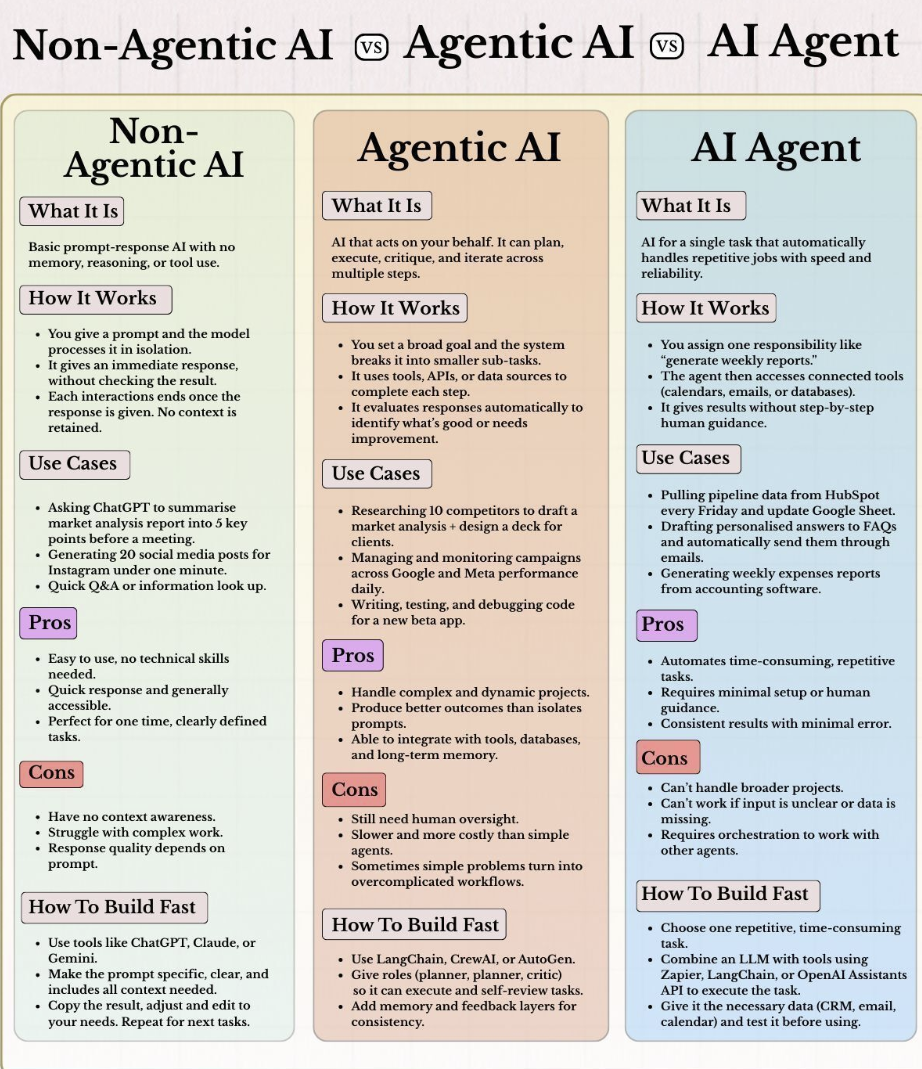
🚀 𝗧𝗵𝗲 𝗔𝗴𝗲𝗻𝘁𝗶𝗰 𝗔𝗜 𝗨𝗻𝗶𝘃𝗲𝗿𝘀𝗲 — 𝗙𝗿𝗼𝗺 𝗙𝗼𝘂𝗻𝗱𝗮𝘁𝗶𝗼𝗻𝘀 𝘁𝗼 𝗔𝘂𝘁𝗼𝗻𝗼𝗺𝗼𝘂𝘀 𝗜𝗻𝘁𝗲𝗹𝗹𝗶𝗴𝗲𝗻𝗰𝗲
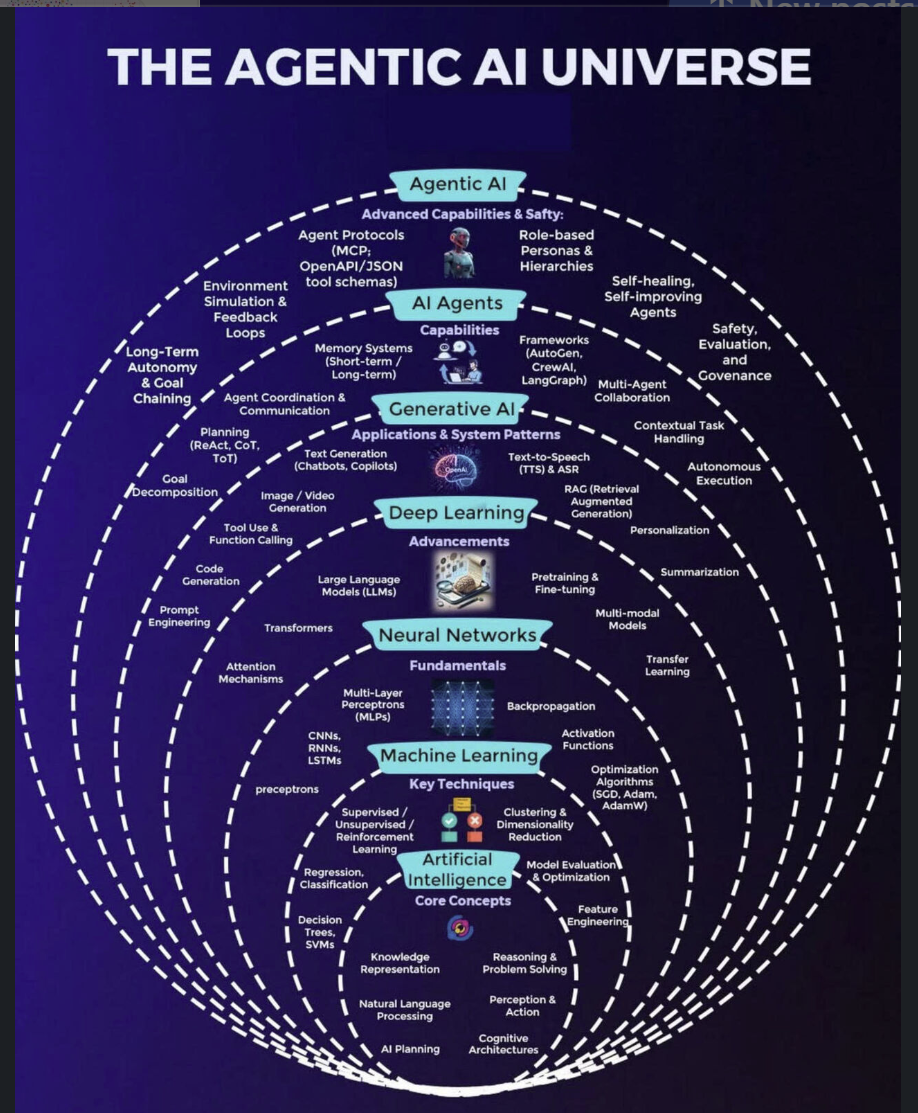
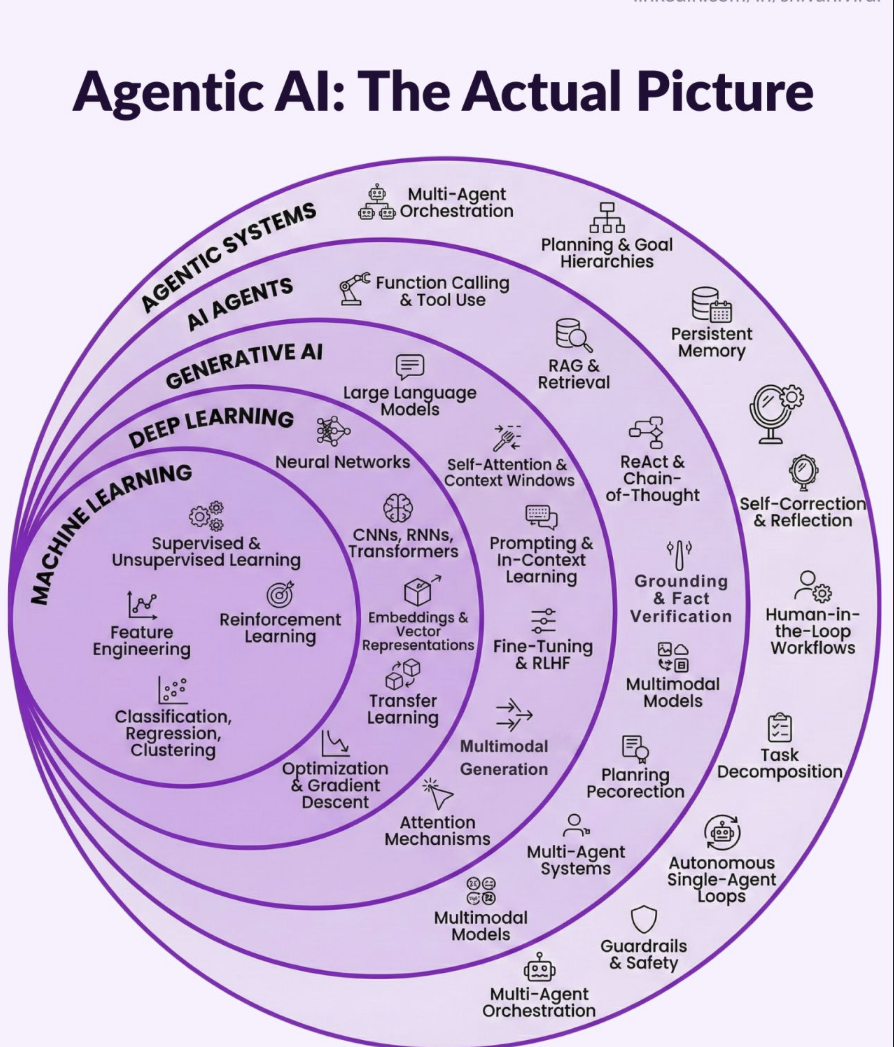


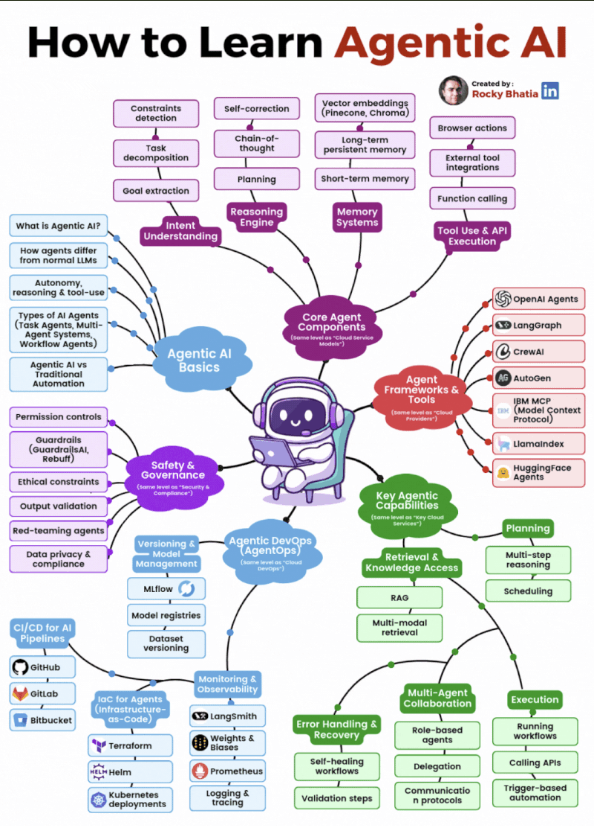


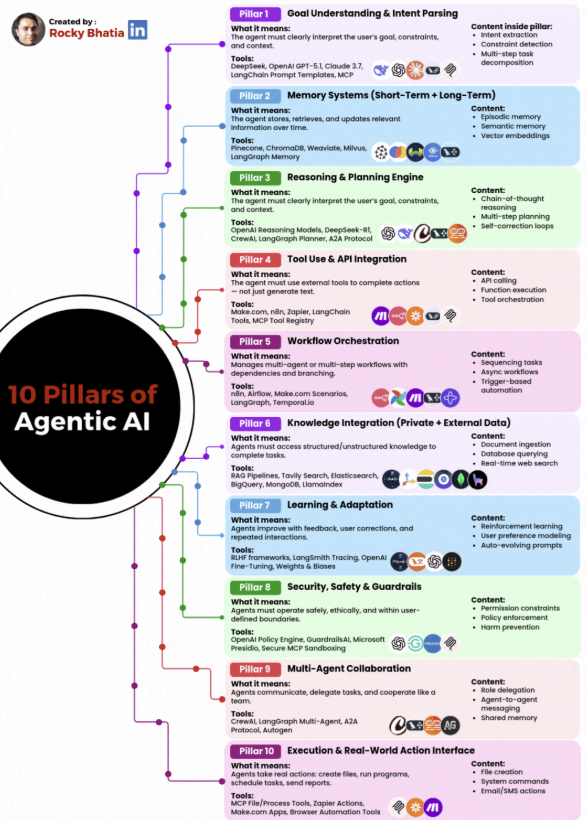
Understanding the Layers of Intelligence in Modern AI Systems



AI 5 Layer Cake:
-
- Energy
-
- Chips
-
- Infrastructure
-
- Models
-
- Applications
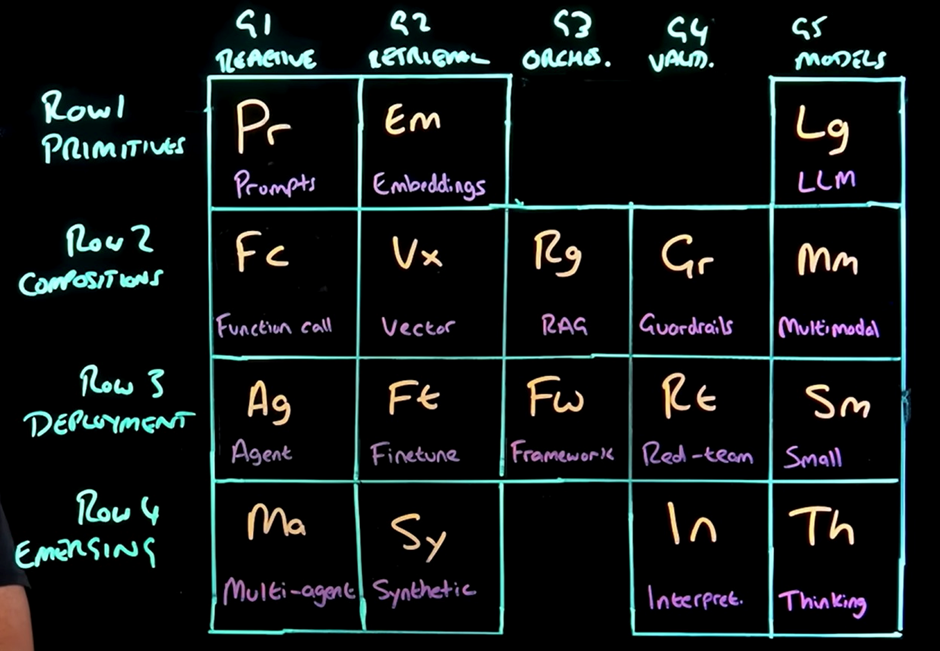
A RAG chatbot = PR + EM + VX + RG + LG + GR
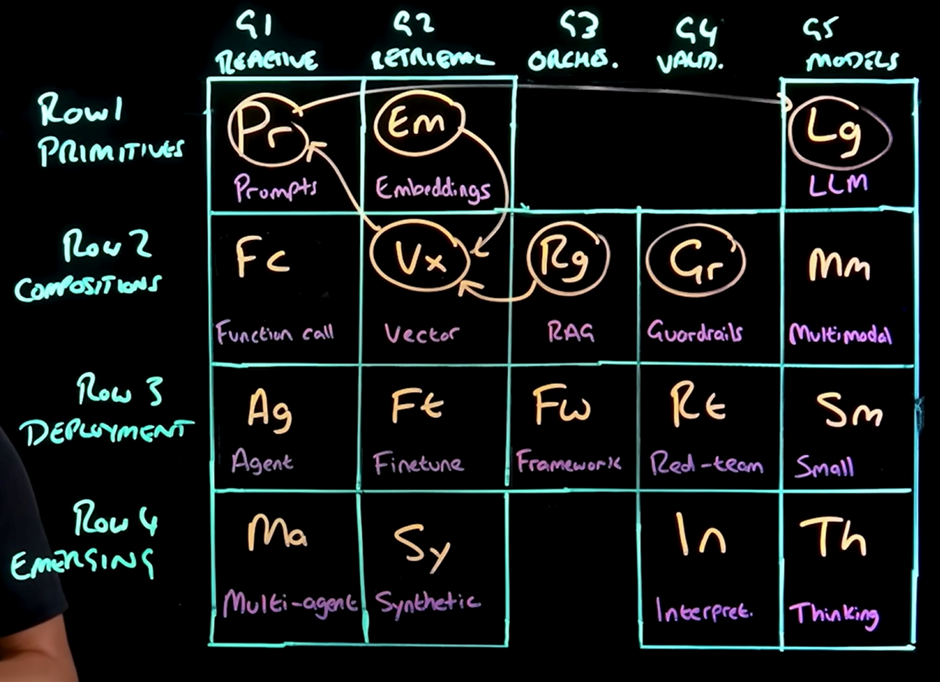
An Agentic system = AG + FC + FW (looping until the goal is achieved)

🚀 AI Periodic Table: A Simple Way to Understand Modern AI Systems
- AI systems are becoming increasingly complex — LLMs, RAG, agents, tools, guardrails, multimodal models… it’s easy to get lost.Just like the chemistry periodic table, it organizes AI into foundational elements, compositions, deployment patterns, and emerging capabilities.
🔹 Row 1 – Primitives (Foundations)
- Prompts (PR) – instructions that drive behavior
- Embeddings (EM) – semantic representations
- LLMs (LG) – core reasoning engines
🔹 Row 2 – Compositions (Where value starts)
- Function Calling (FC) – tool execution
- Vector Databases (VX) – semantic memory
- RAG (RG) – grounded generation
- Guardrails (GR) – safety & validation
- Multimodal Models (MM)
🔹 Row 3 – Deployment (Production AI)
- Agents (AG) – think → act → observe loops
- Fine-tuning (FT) – domain adaptation
- Frameworks (FW) – orchestration (LangChain, etc.)
- Red Teaming (RT) – adversarial testing
- Small Models (SM) – fast & cost-efficient
🔹 Row 4 – Emerging (Future direction)
- Multi-Agent Systems (MA)
- Synthetic Data (SY)
- Interpretability (IN)
- Thinking Models (TH)
⚗️ What’s powerful is how these elements combine into “reactions”:
- A RAG chatbot = PR + EM + VX + RG + LG + GR
- An Agentic system = AG + FC + FW (looping until the goal is achieved)

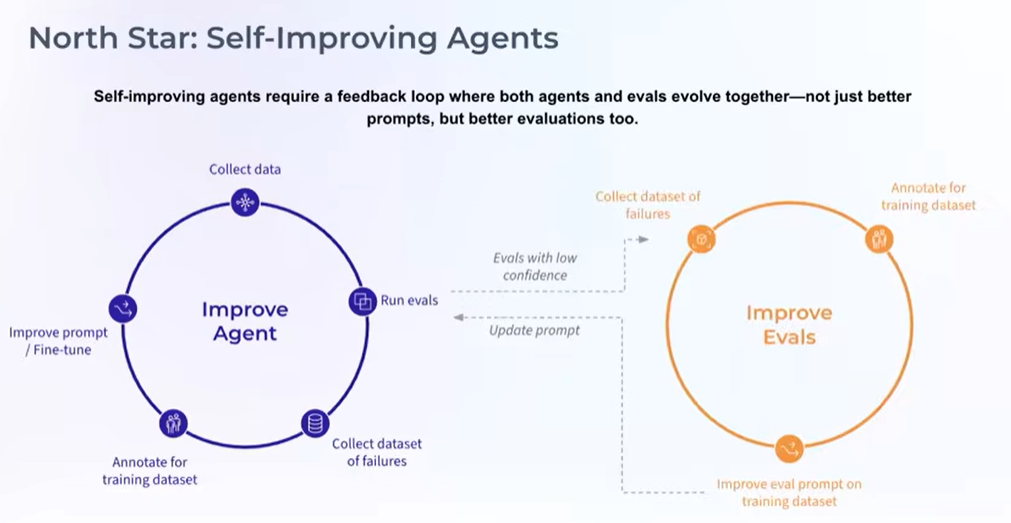
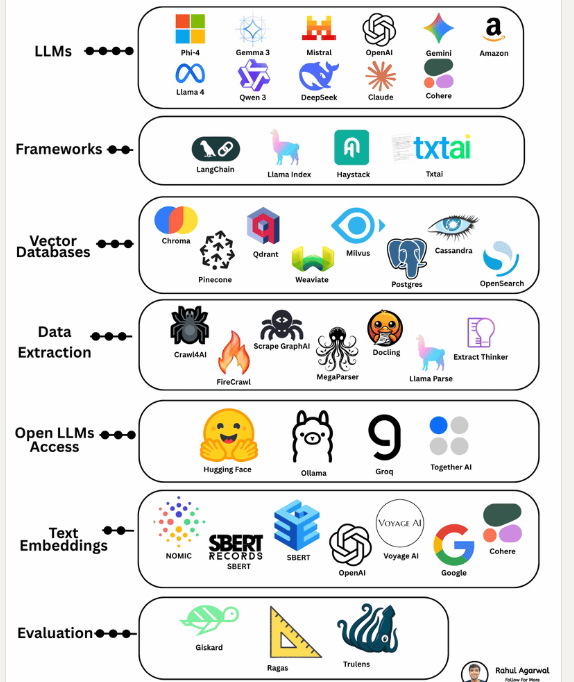
The Complete AI/LLM Ecosystem: A Developer’s Guide
📊 Understanding the Modern AI Stack
-Building AI applications today requires understanding multiple interconnected layers. Whether you’re working on Retrieval-Augmented Generation (RAG) or LLM-based systems, here are the 7 critical components you need to know:
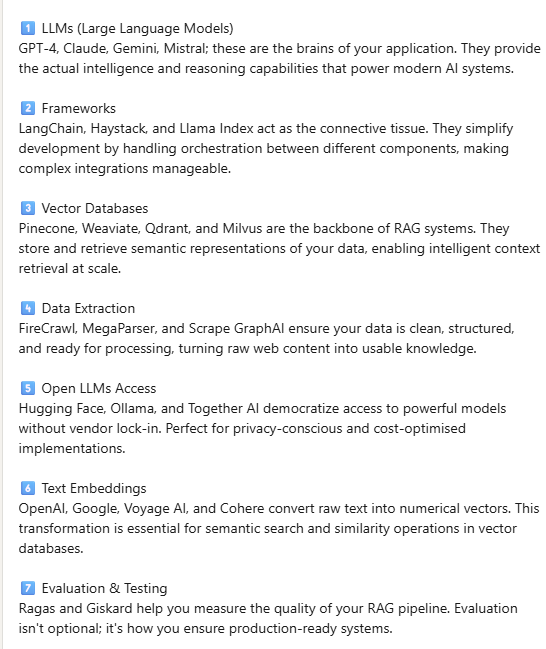
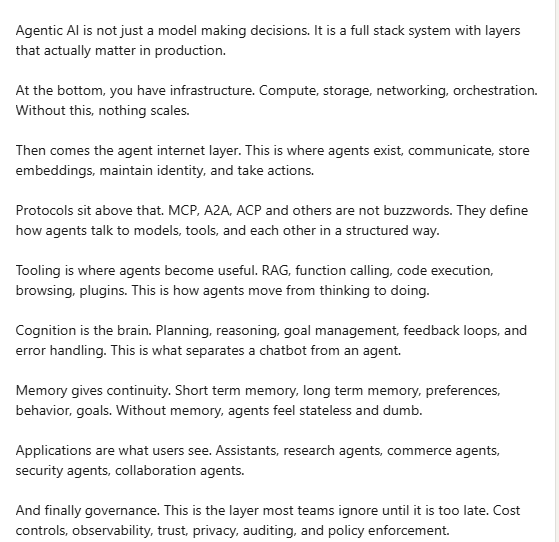
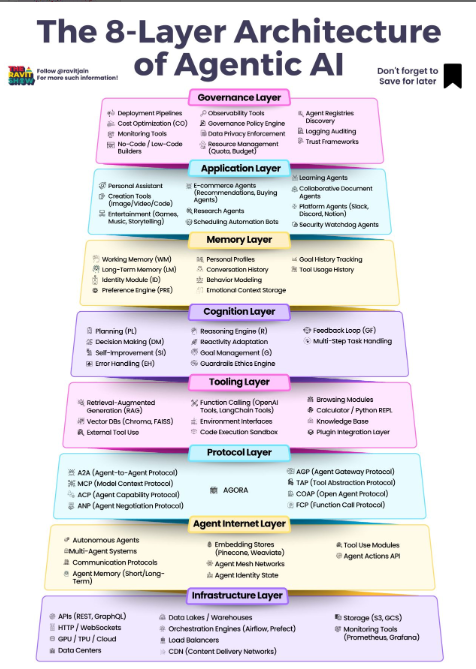
Everyone is talking about Agentic AI. Very few are talking about the architecture behind it. Lets do it!!!
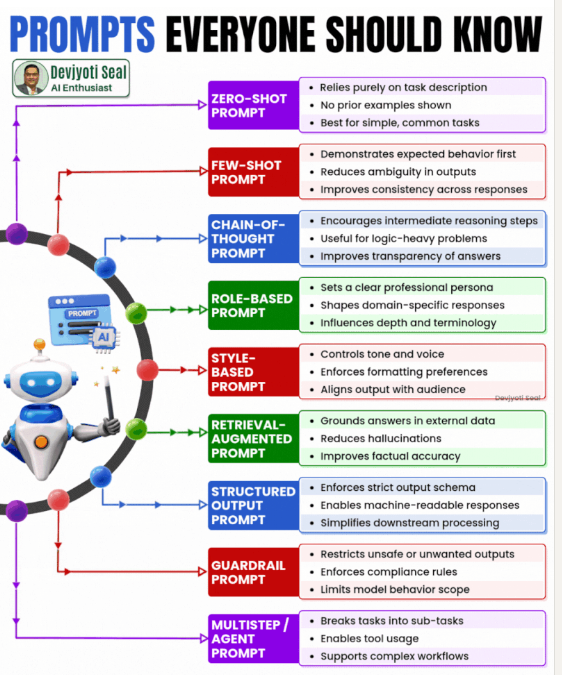
E𝐧𝐝𝐥𝐞𝐬𝐬 𝐋𝐋𝐌 𝐨𝐮𝐭𝐩𝐮𝐭𝐬. 𝐅𝐫𝐮𝐬𝐭𝐫𝐚𝐭𝐞𝐝. 𝐈𝐧𝐜𝐨𝐧𝐬𝐢𝐬𝐭𝐞𝐧𝐭. 𝐓𝐡𝐞𝐧 𝐝𝐢𝐬𝐜𝐨𝐯𝐞𝐫𝐞𝐝 𝐭𝐡𝐞𝐬𝐞 9 𝐞𝐬𝐬𝐞𝐧𝐭𝐢𝐚𝐥𝐬 𝐞𝐯𝐞𝐫𝐲𝐨𝐧𝐞 𝐢𝐠𝐧𝐨𝐫𝐞𝐬

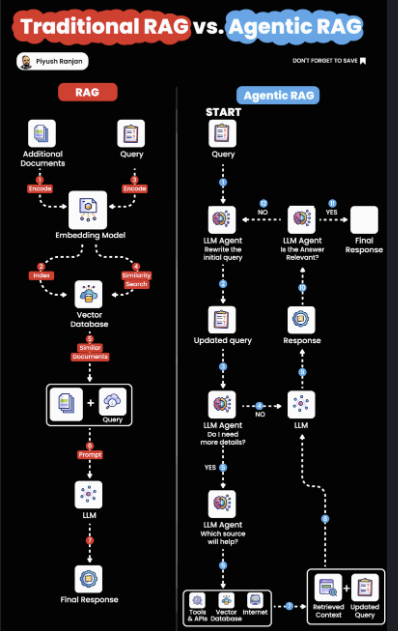
AI Agents, your Agentic RAG depends on your tech stack
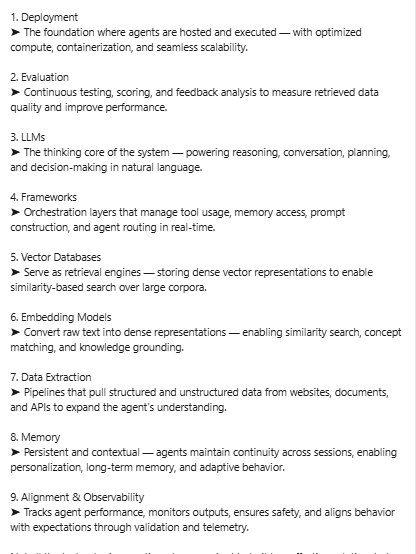
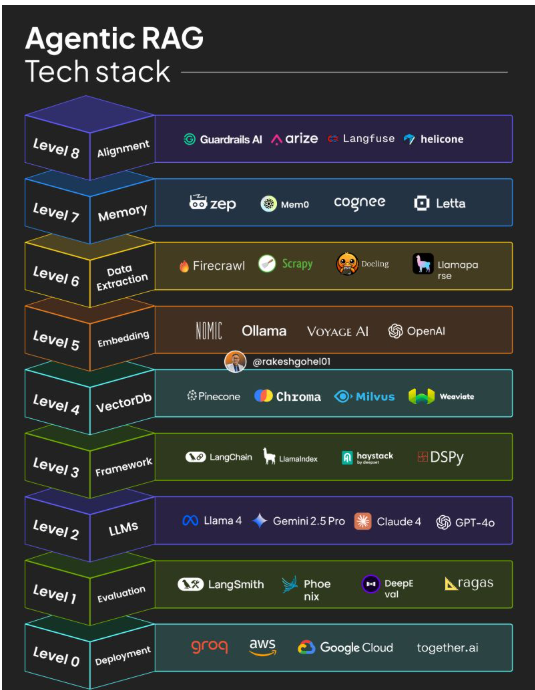
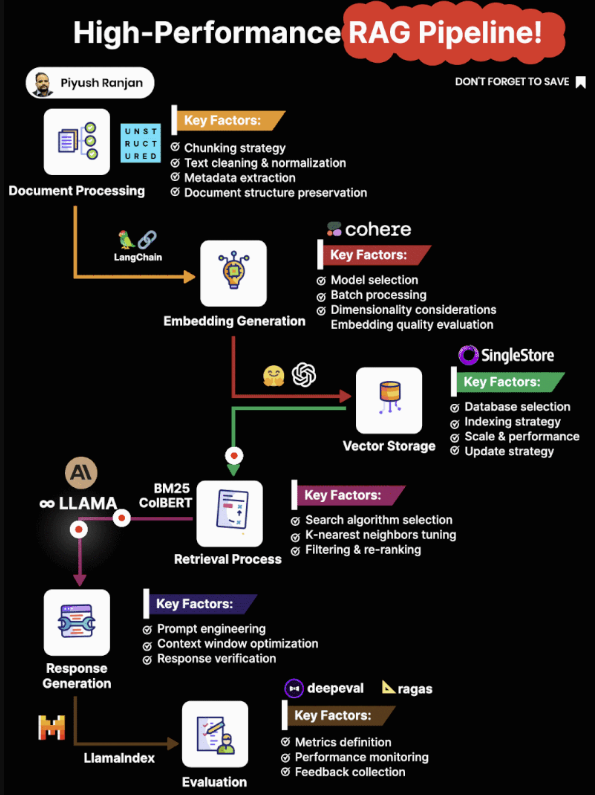
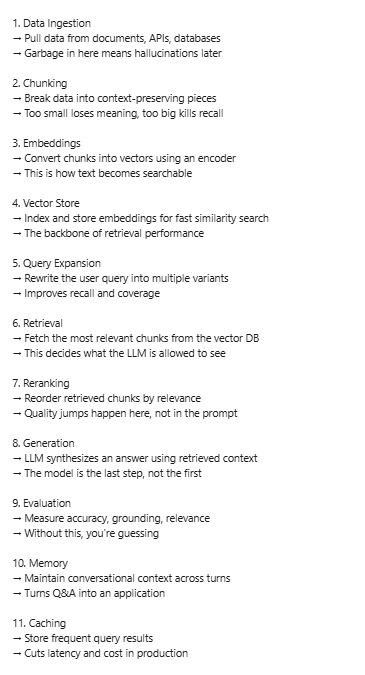
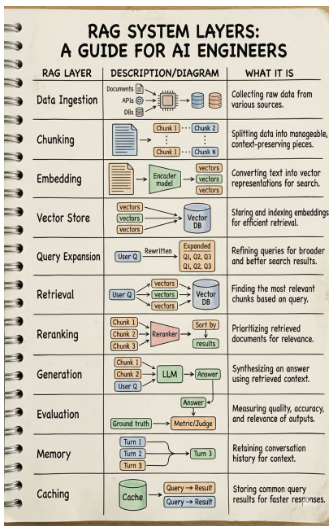
I broke this down to show what’s really happening inside a production-grade RAG system.
- Here’s how to understand each layer and why it exists:
VECTOR DATABASE

LLMs cheatsheet
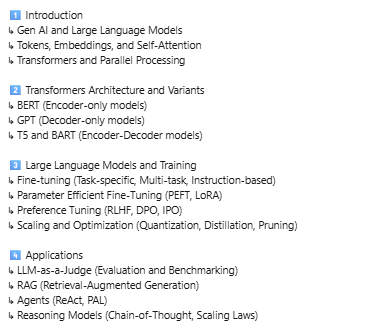

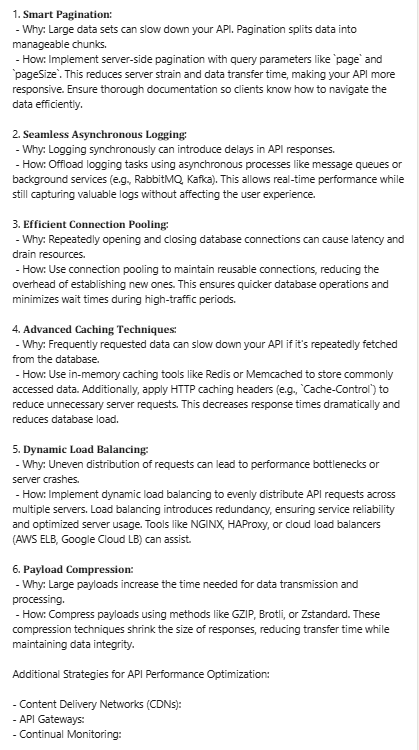

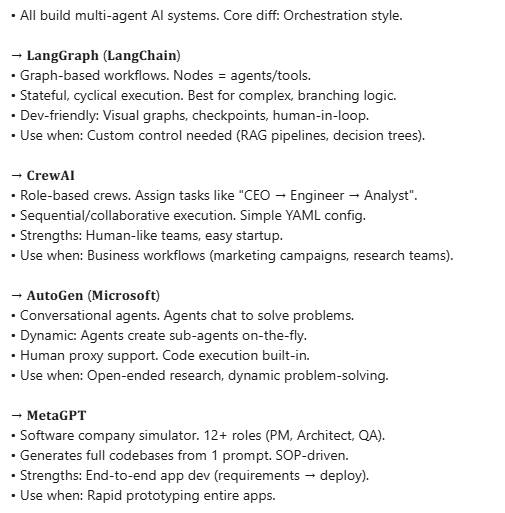
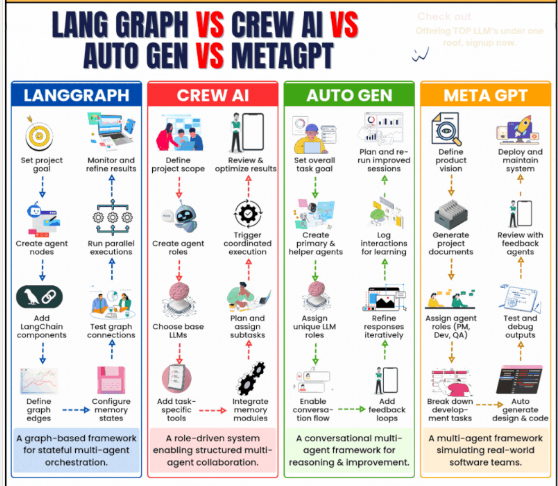
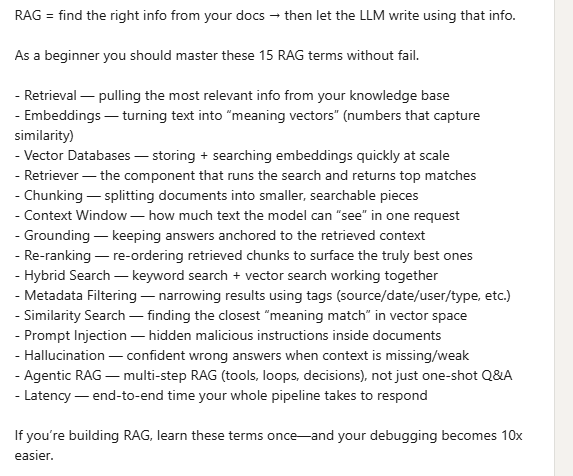
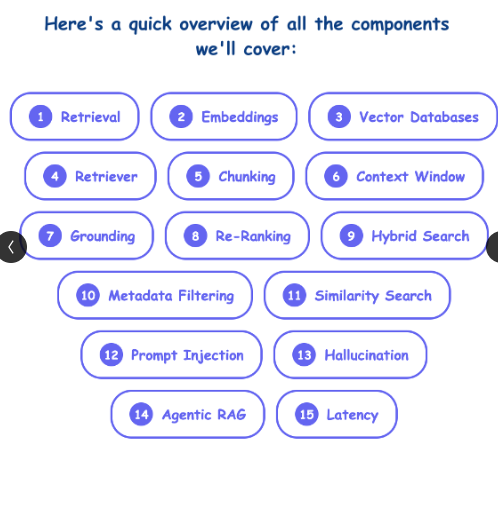
𝐈𝐟 𝐈 𝐡𝐚𝐝 𝐭𝐨 𝐞𝐱𝐩𝐥𝐚𝐢𝐧 𝐑𝐀𝐆 𝐭𝐨 𝐚 𝐛𝐞𝐠𝐢𝐧𝐧𝐞𝐫 𝐢𝐧 𝐨𝐧𝐞 𝐥𝐢𝐧𝐞
Master All 20 Agentic AI Design Patterns

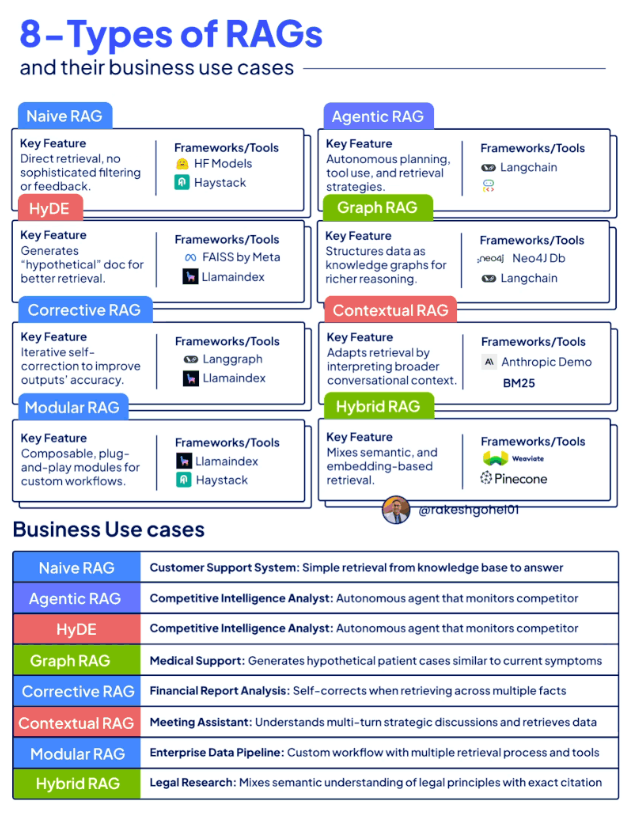
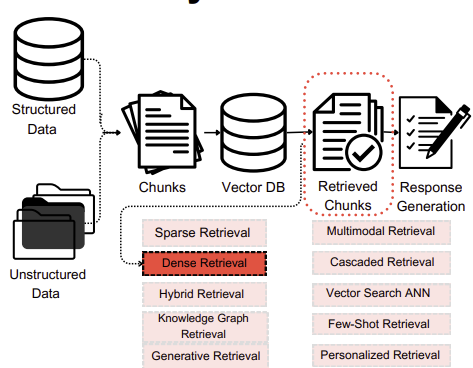
A Visual Taxonomy of Retrieval-Augmented Generation (RAG) Architectures:
-
RAG has rapidly evolved from simple vector-based retrieval to agentic, multi-hop, graph-driven, and federated systems.
-
This visual brings together 12 major RAG architectures—from Naïve RAG to Tool-Integrated and Federated RAG—highlighting how modern AI systems reason, retrieve, and adapt at scale.

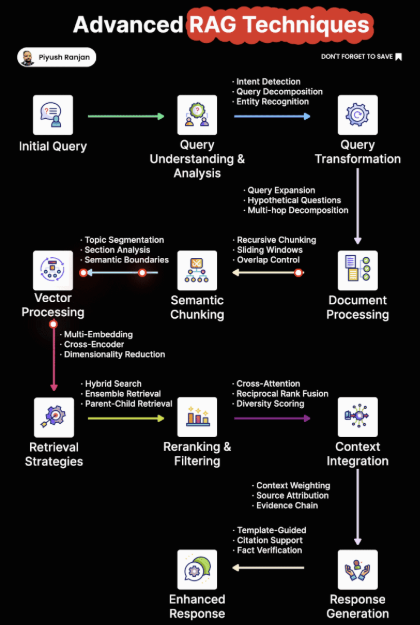
AI Agents, RAG has evolved to become an AI ecosystem


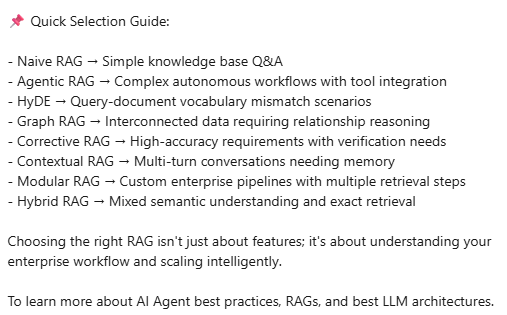

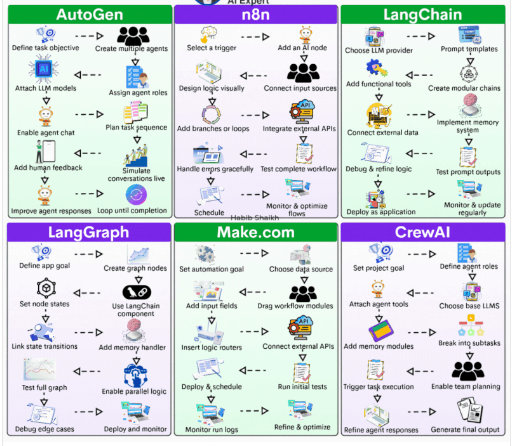
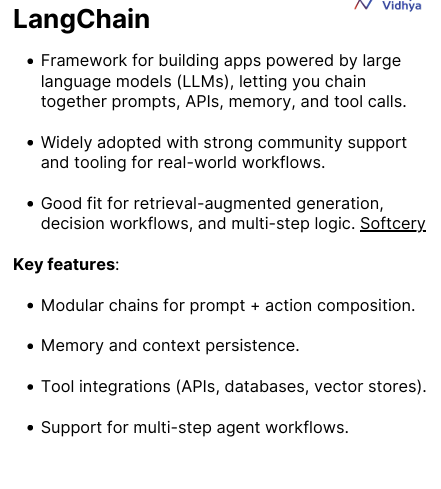
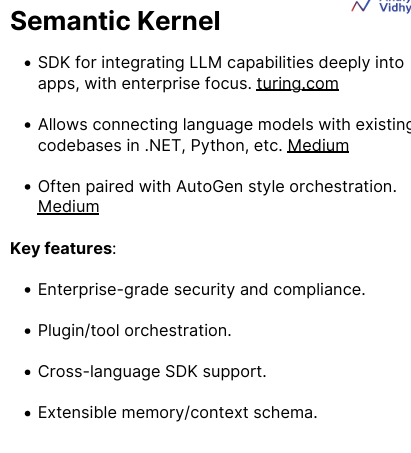
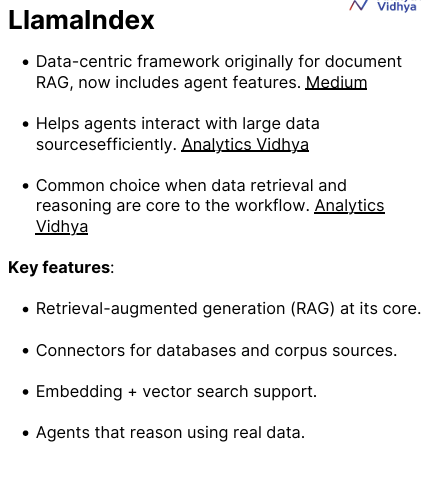
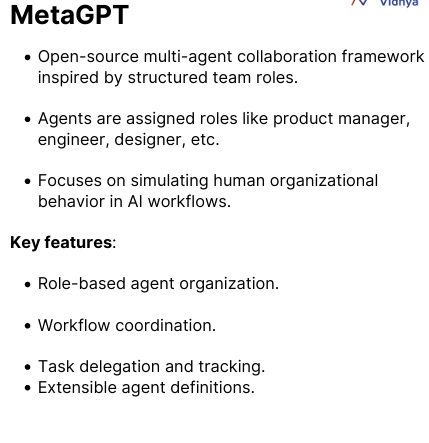
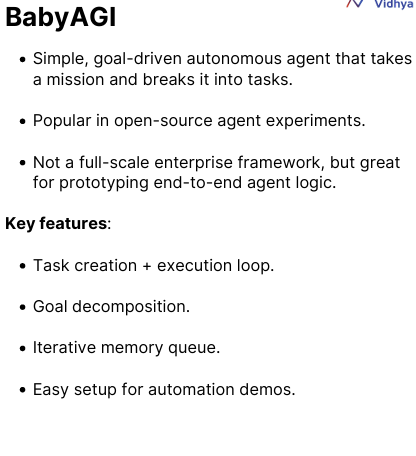
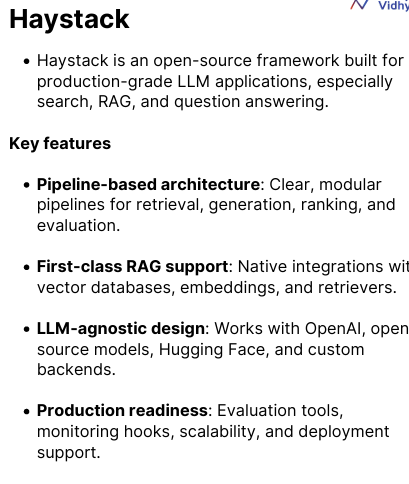
Popular AI Agents Frameworks
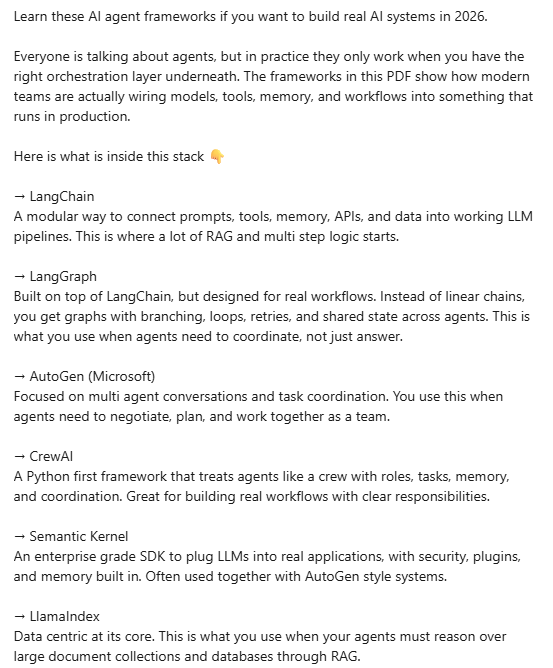
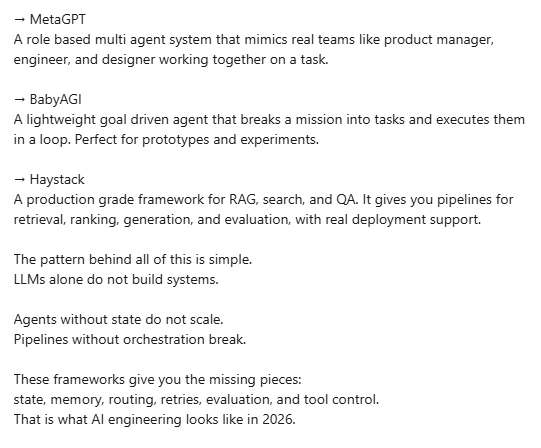


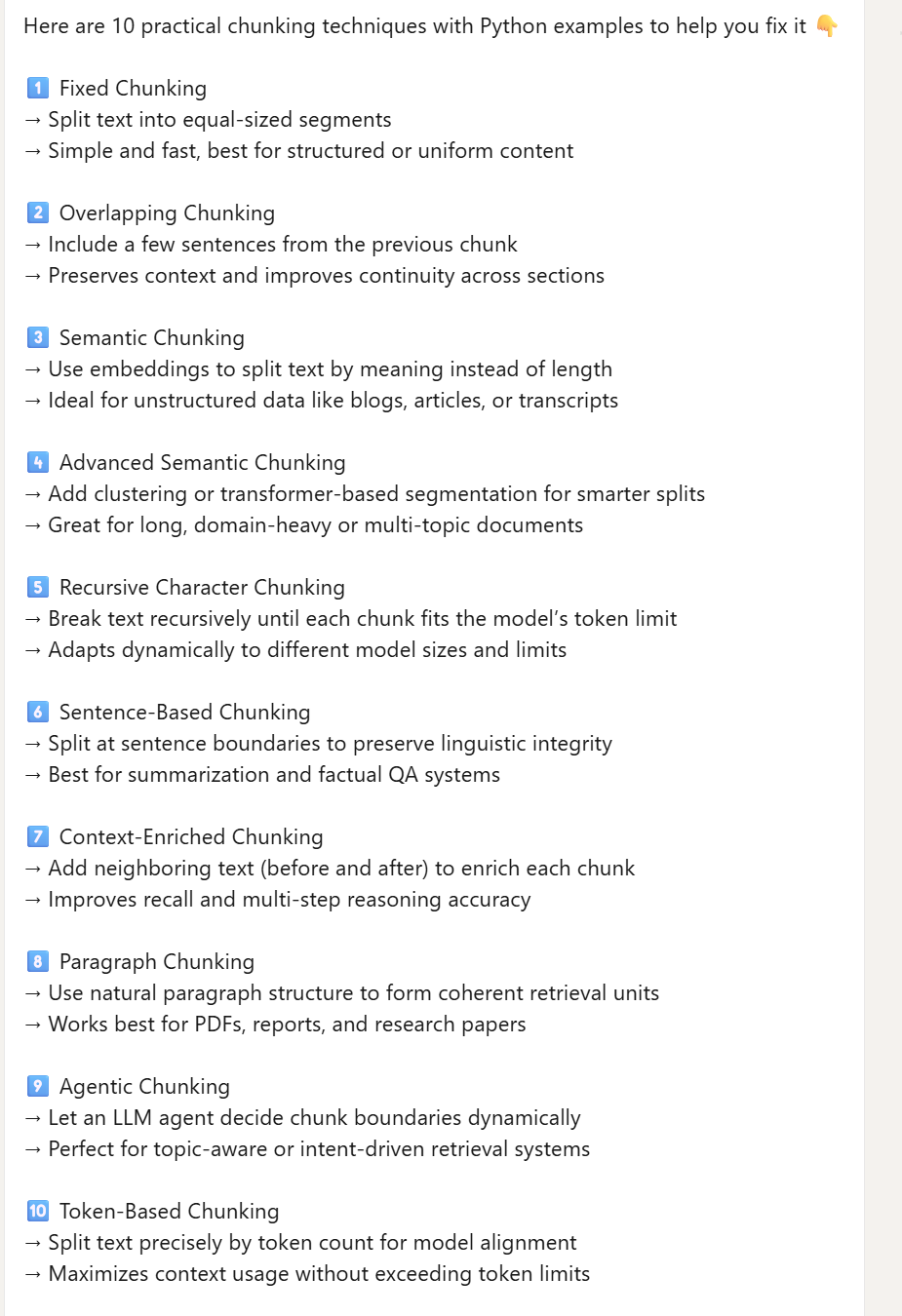
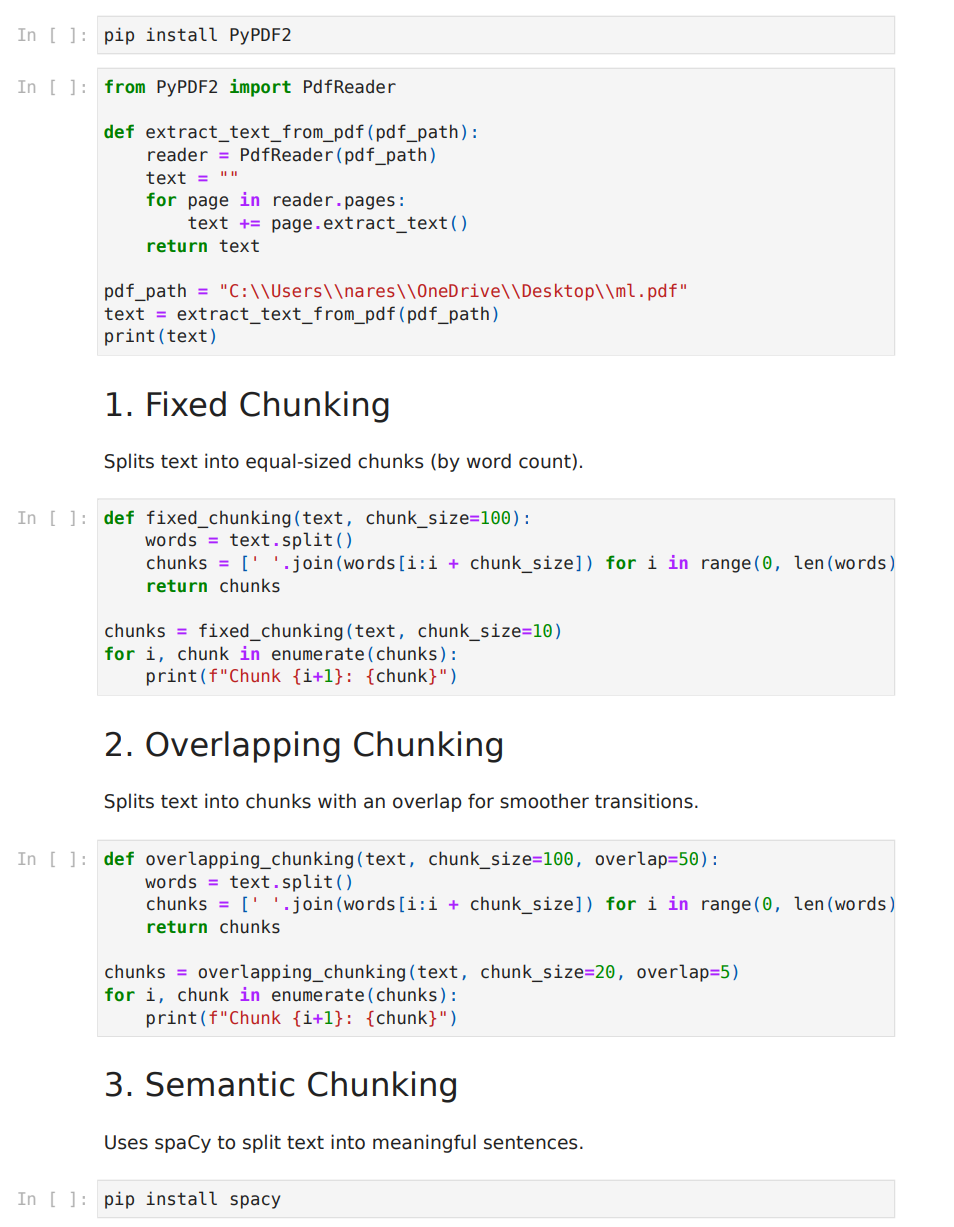
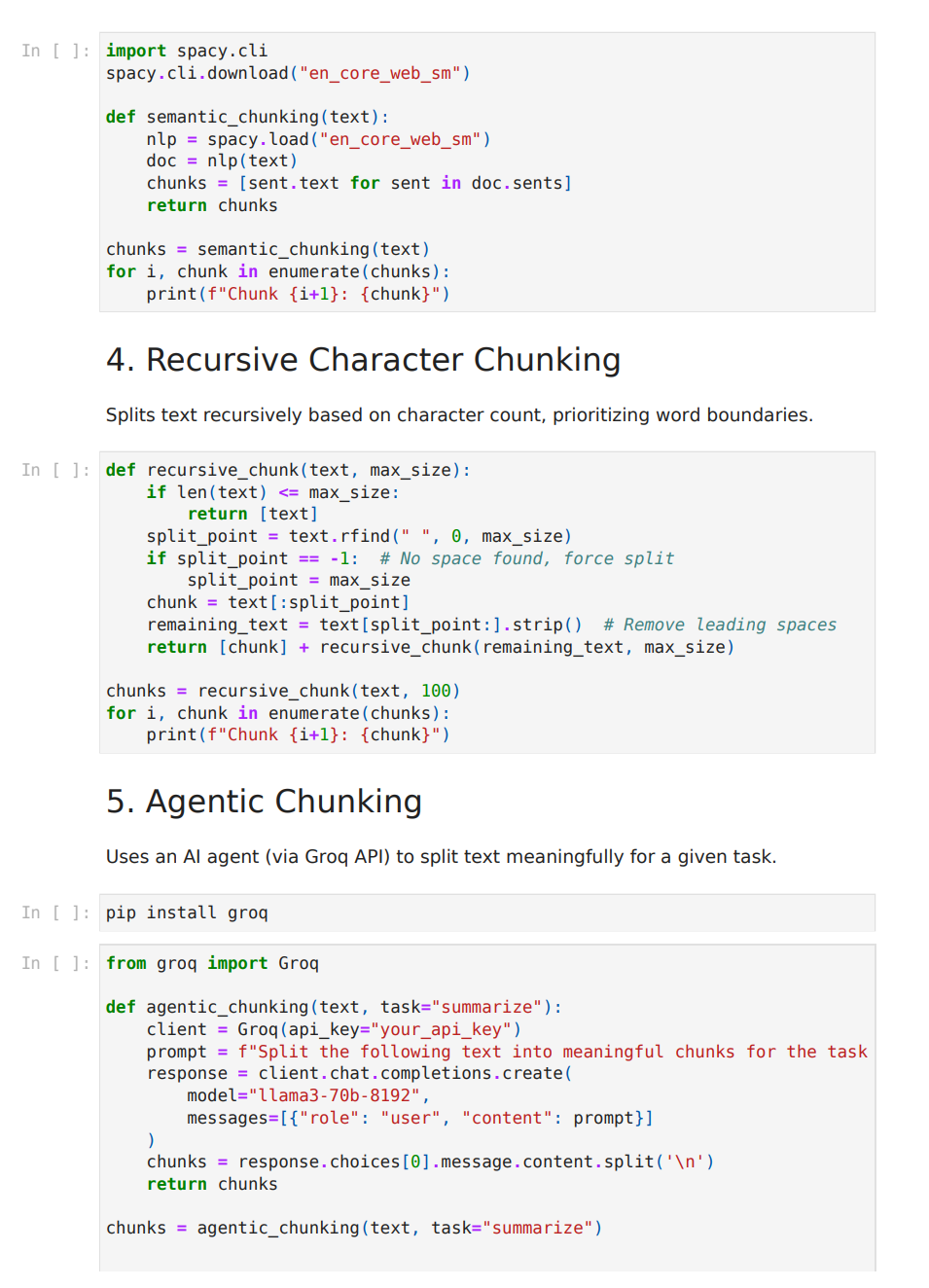
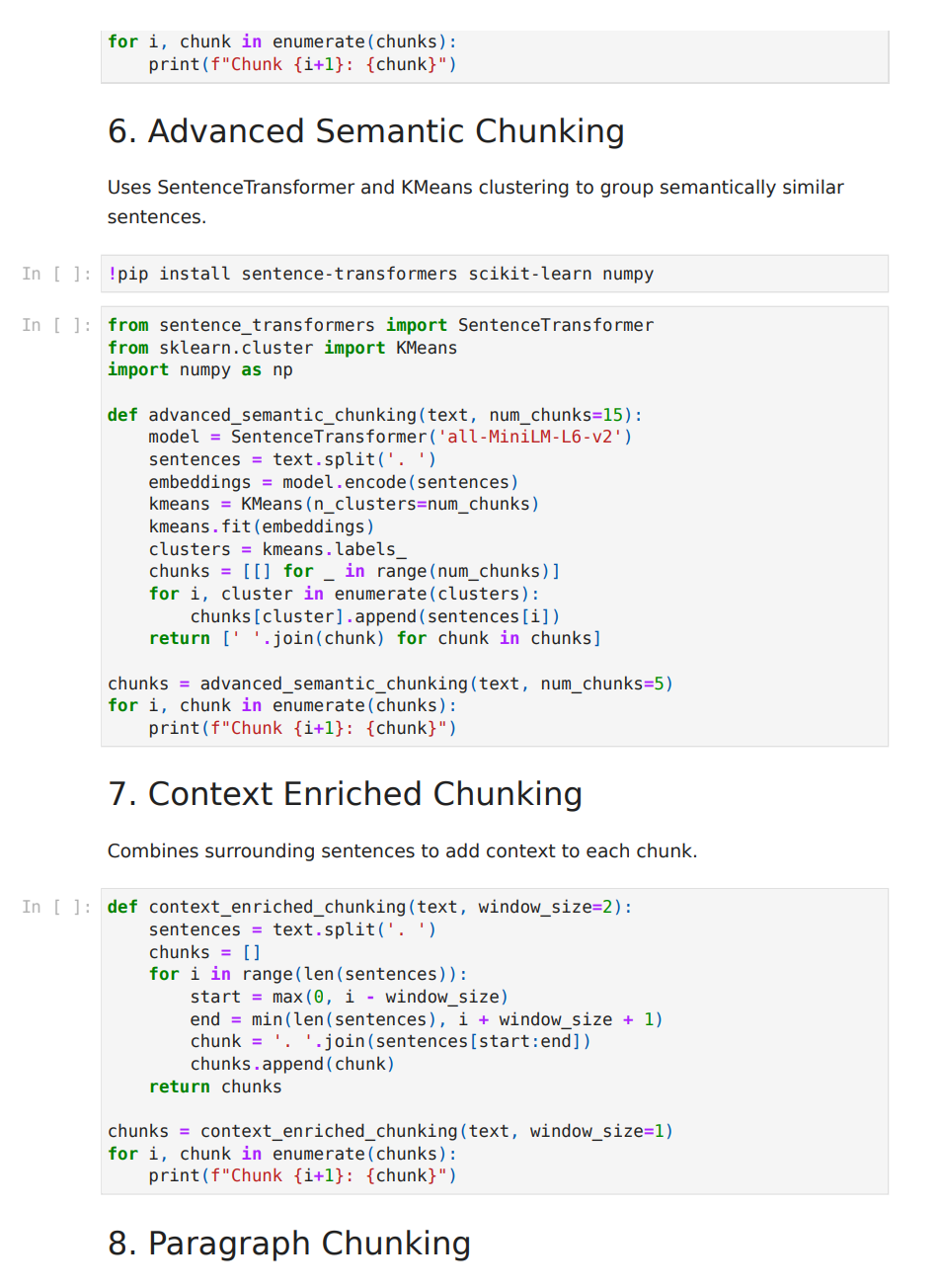
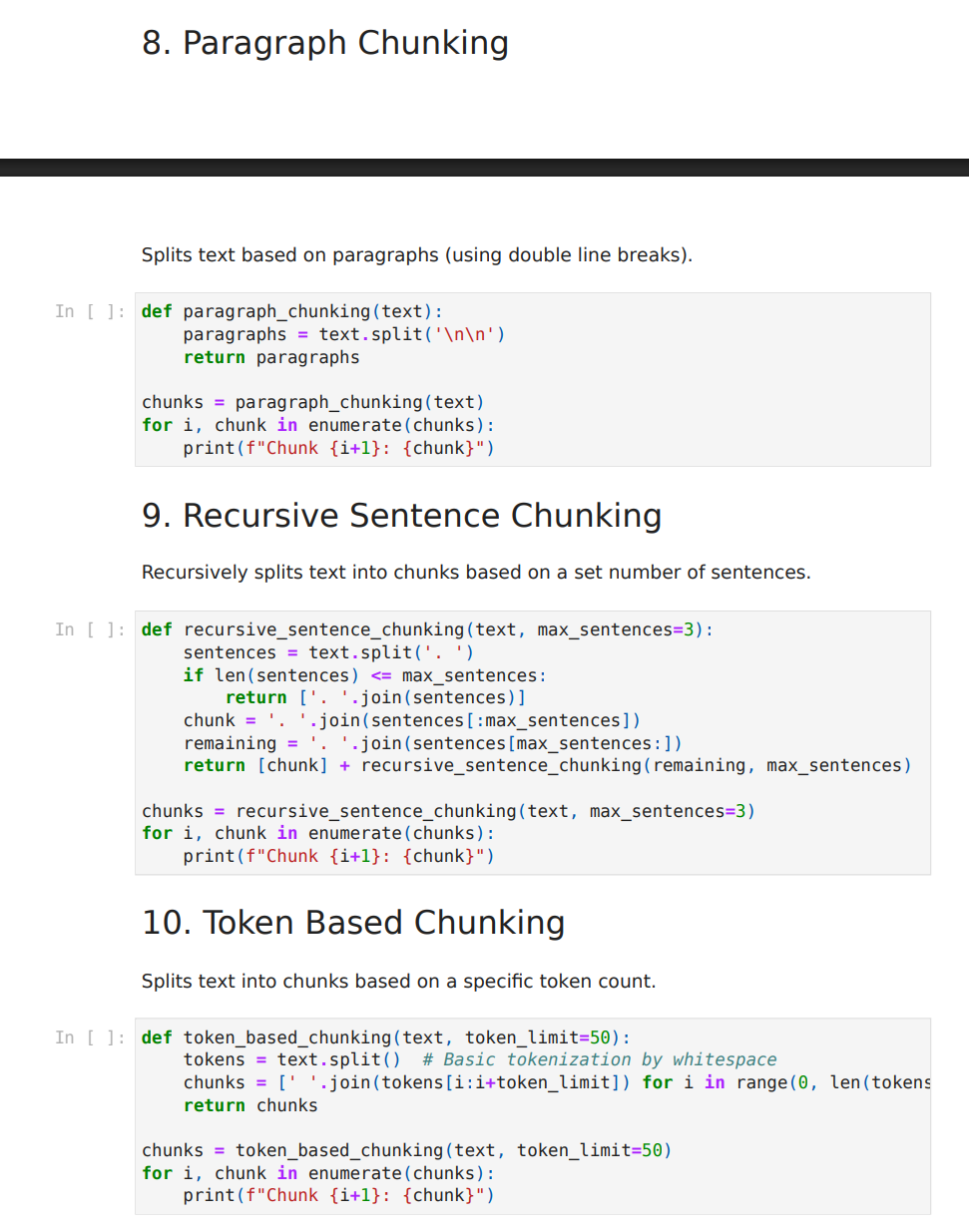
𝐘𝐨𝐮𝐫 𝐑𝐀𝐆 𝐩𝐢𝐩𝐞𝐥𝐢𝐧𝐞 𝐢𝐬𝐧’𝐭 𝐟𝐚𝐢𝐥𝐢𝐧𝐠 𝐛𝐞𝐜𝐚𝐮𝐬𝐞 𝐨𝐟 𝐭𝐡𝐞 𝐦𝐨𝐝𝐞𝐥, 𝐢𝐭’𝐬 𝐟𝐚𝐢𝐥𝐢𝐧𝐠 𝐛𝐞𝐜𝐚𝐮𝐬𝐞 𝐨𝐟 𝐛𝐚𝐝 𝐜𝐡𝐮𝐧𝐤𝐢𝐧𝐠.
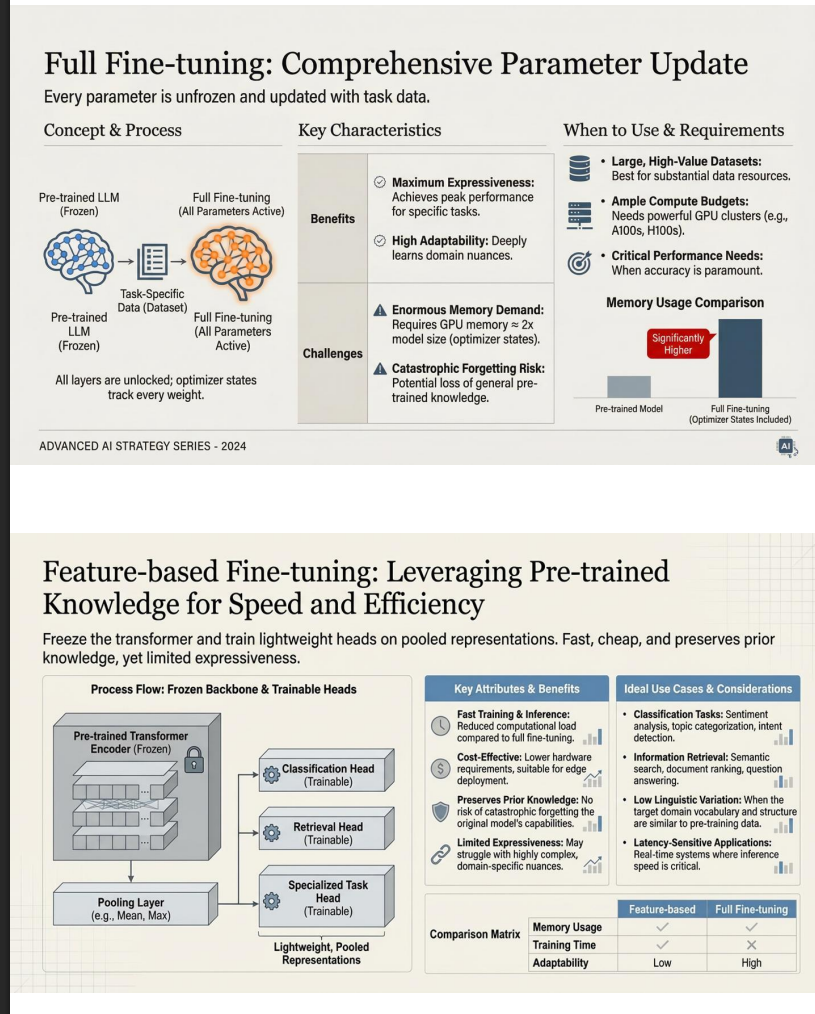
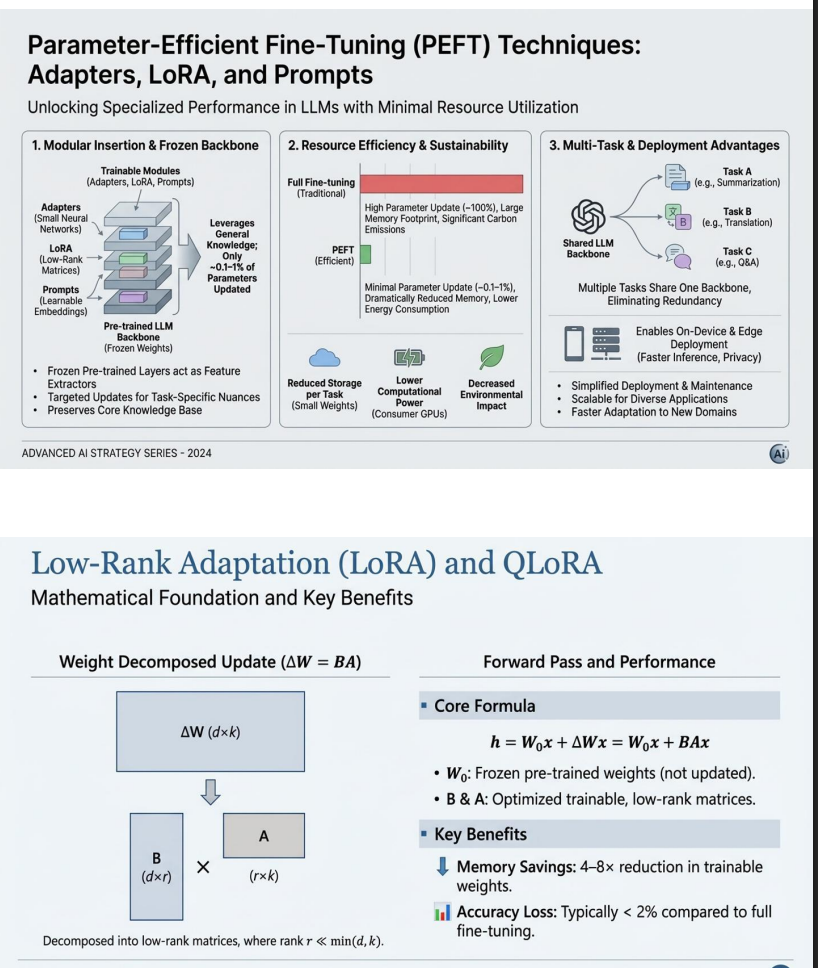
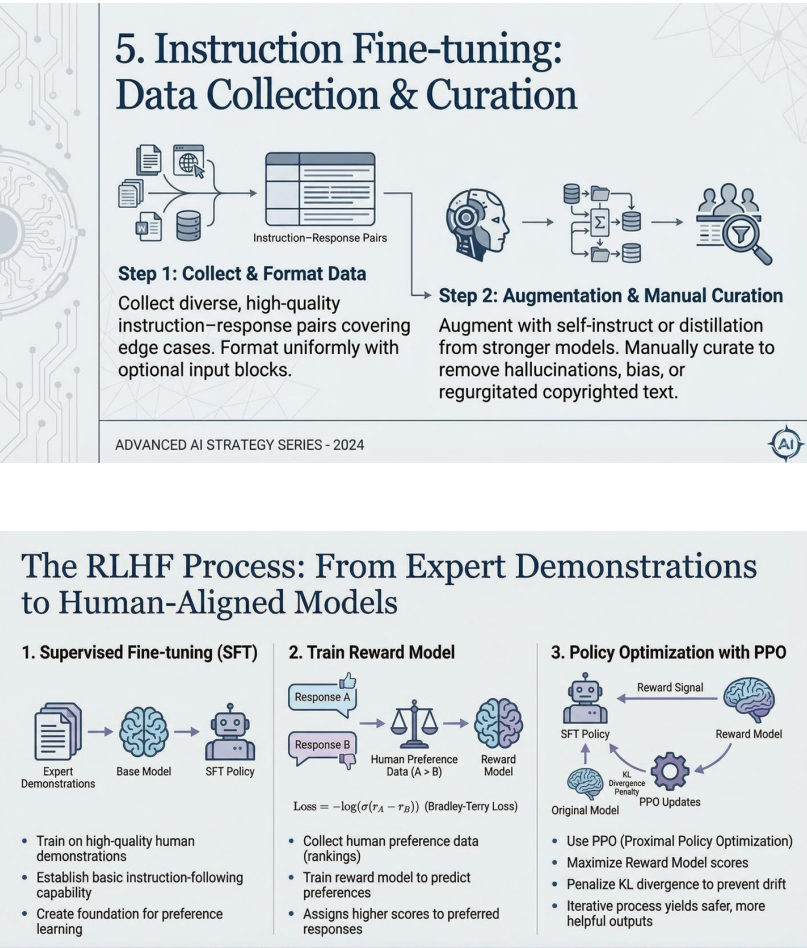
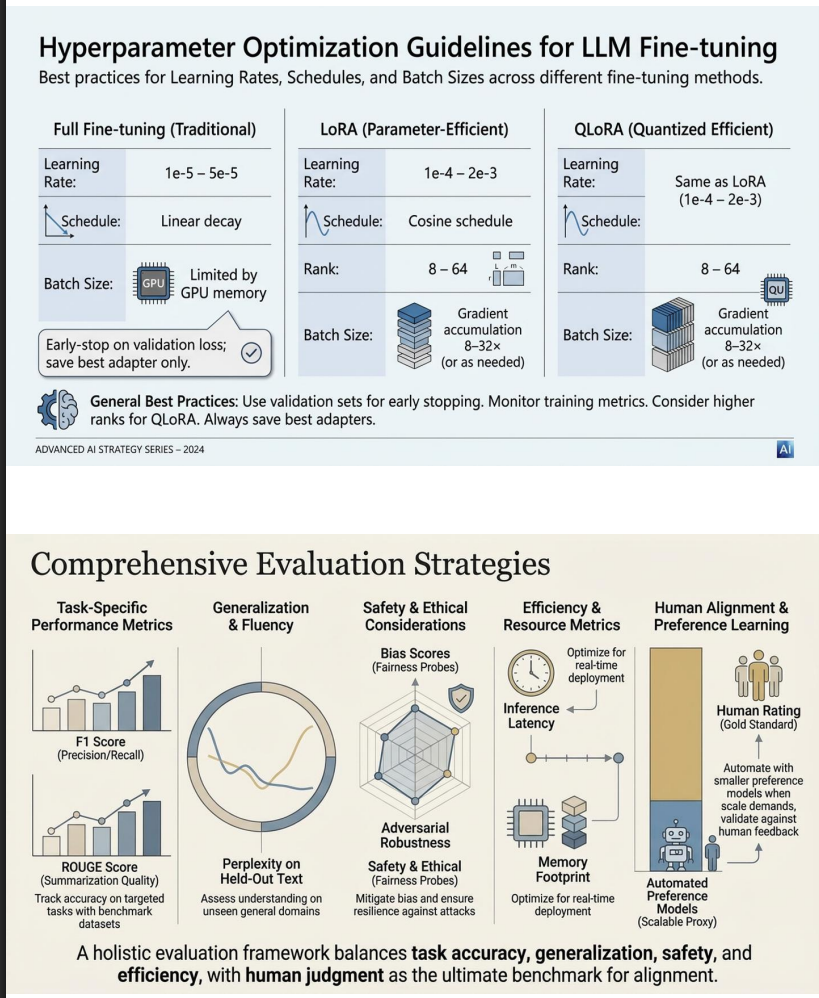
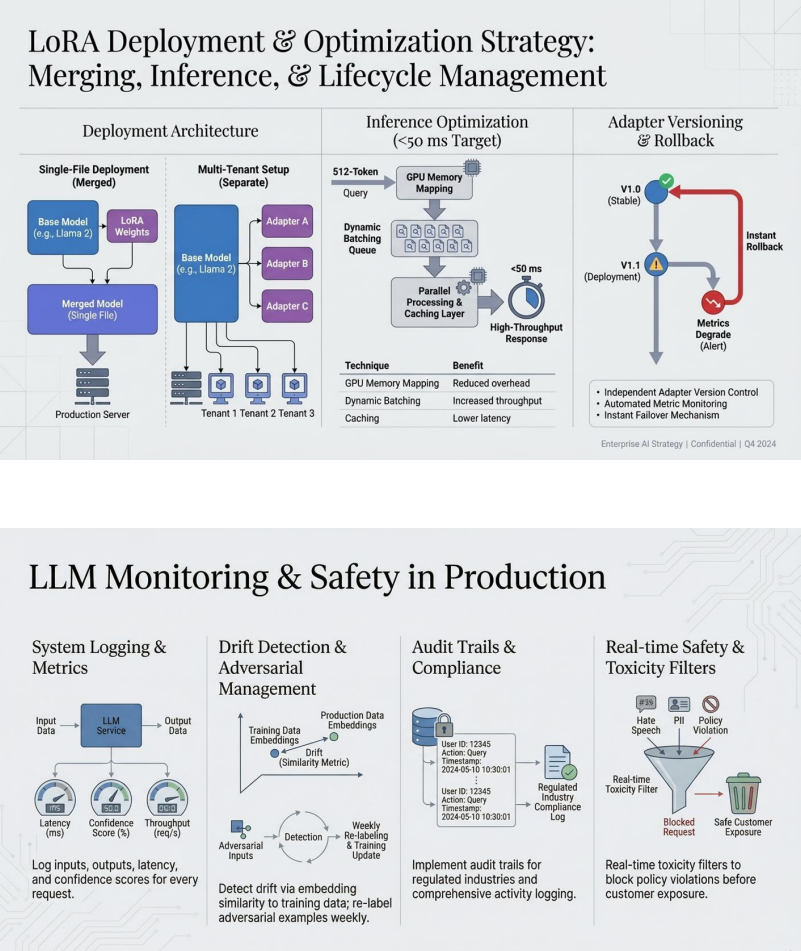
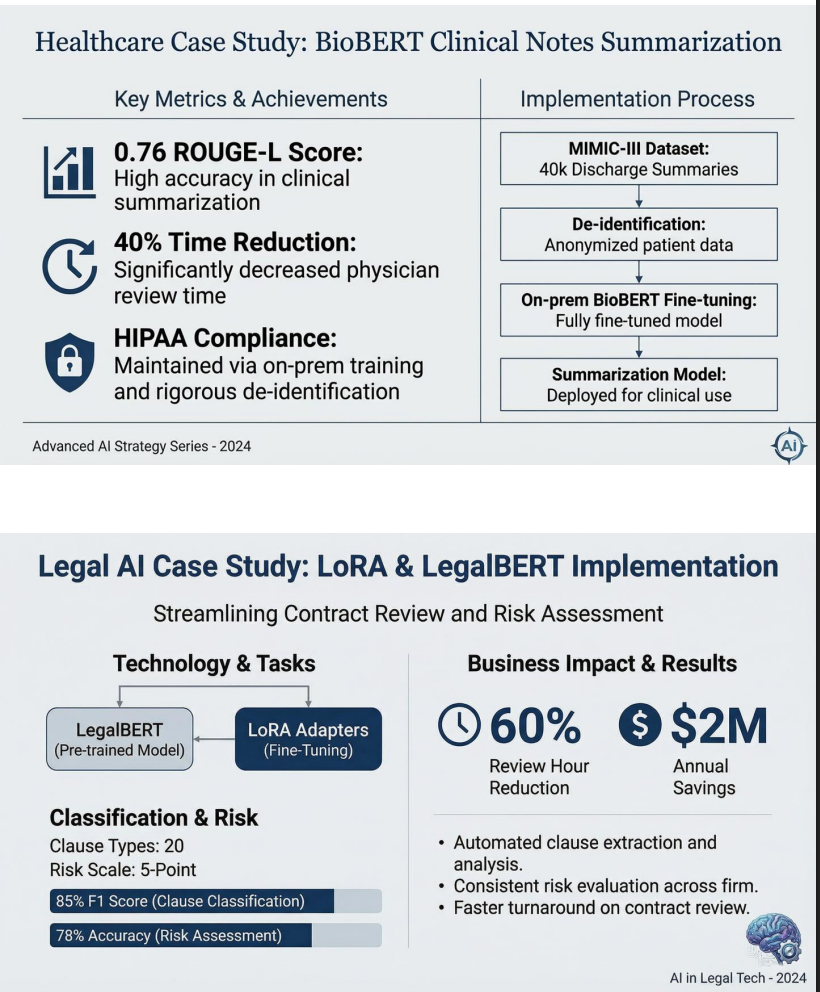
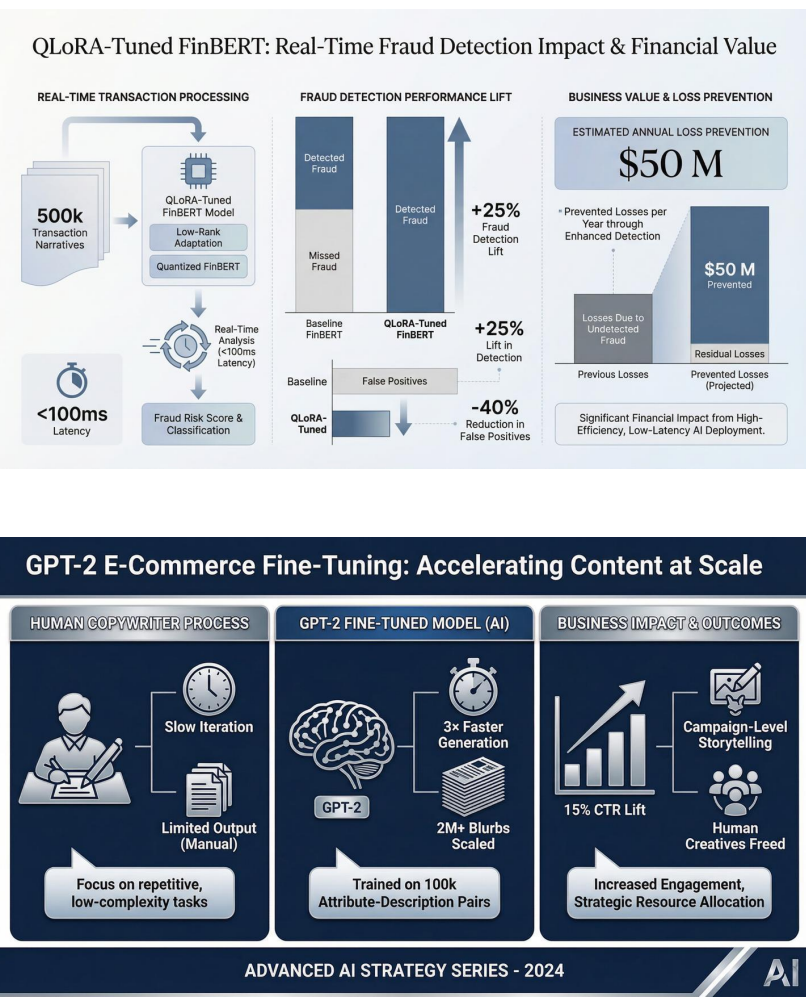
Master LLM Fine-Tuning






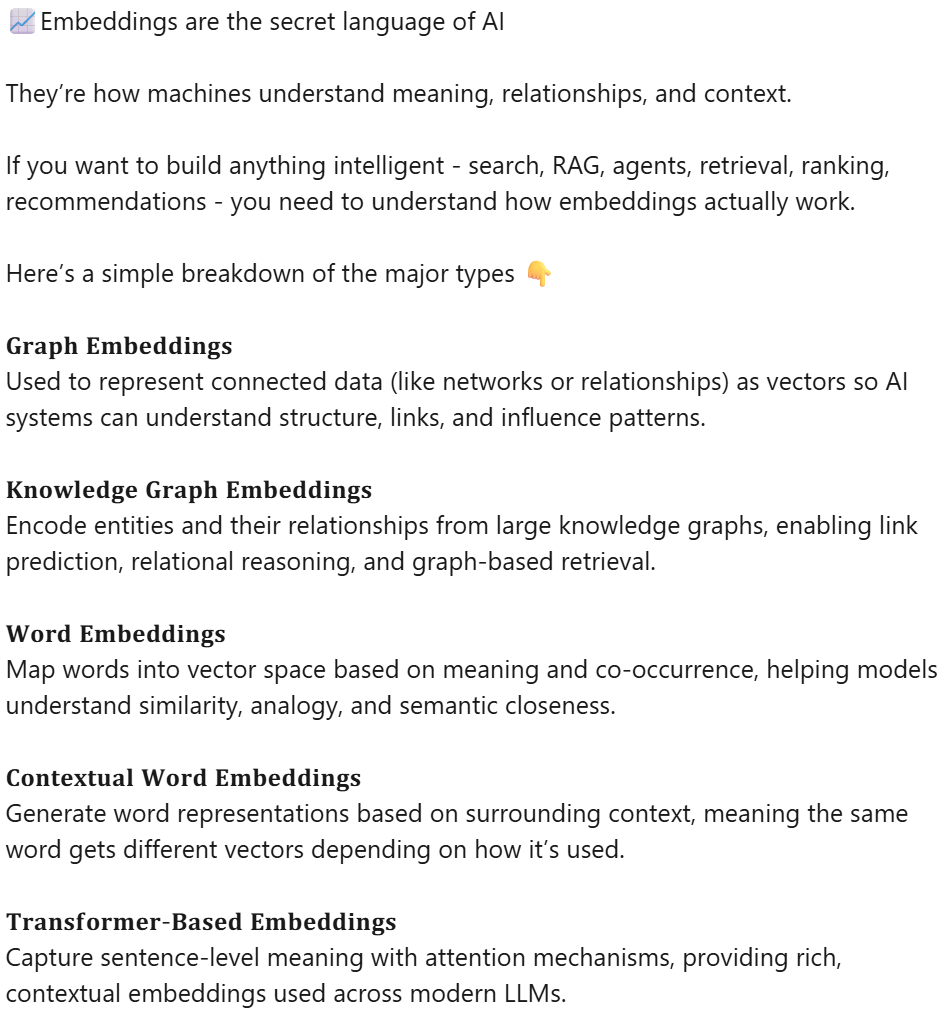
Embeddings are the secret language of AI


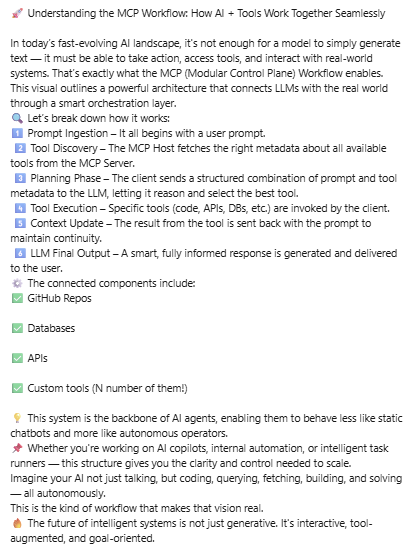
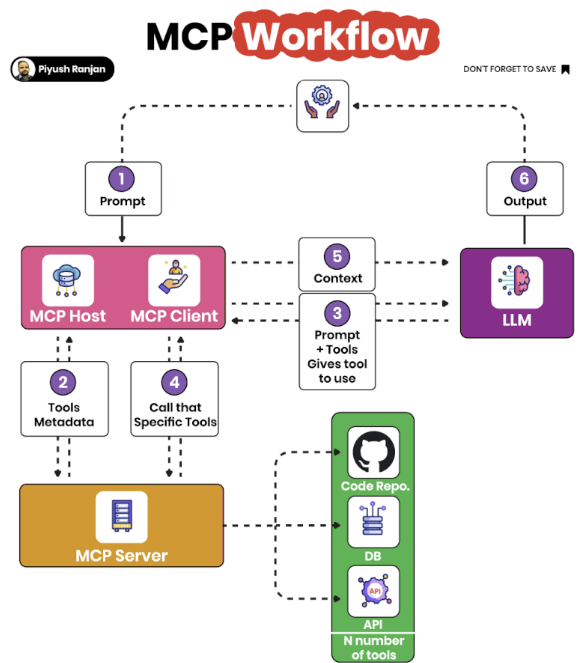
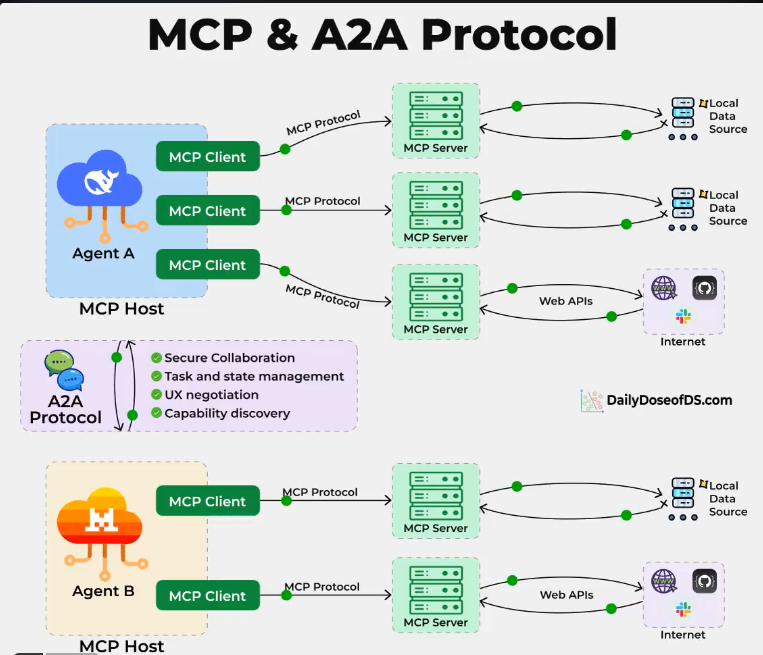
MCP & A2A (Agent2Agent) protocol, explained visually!
-
Agentic applications require both A2A and MCP.
-
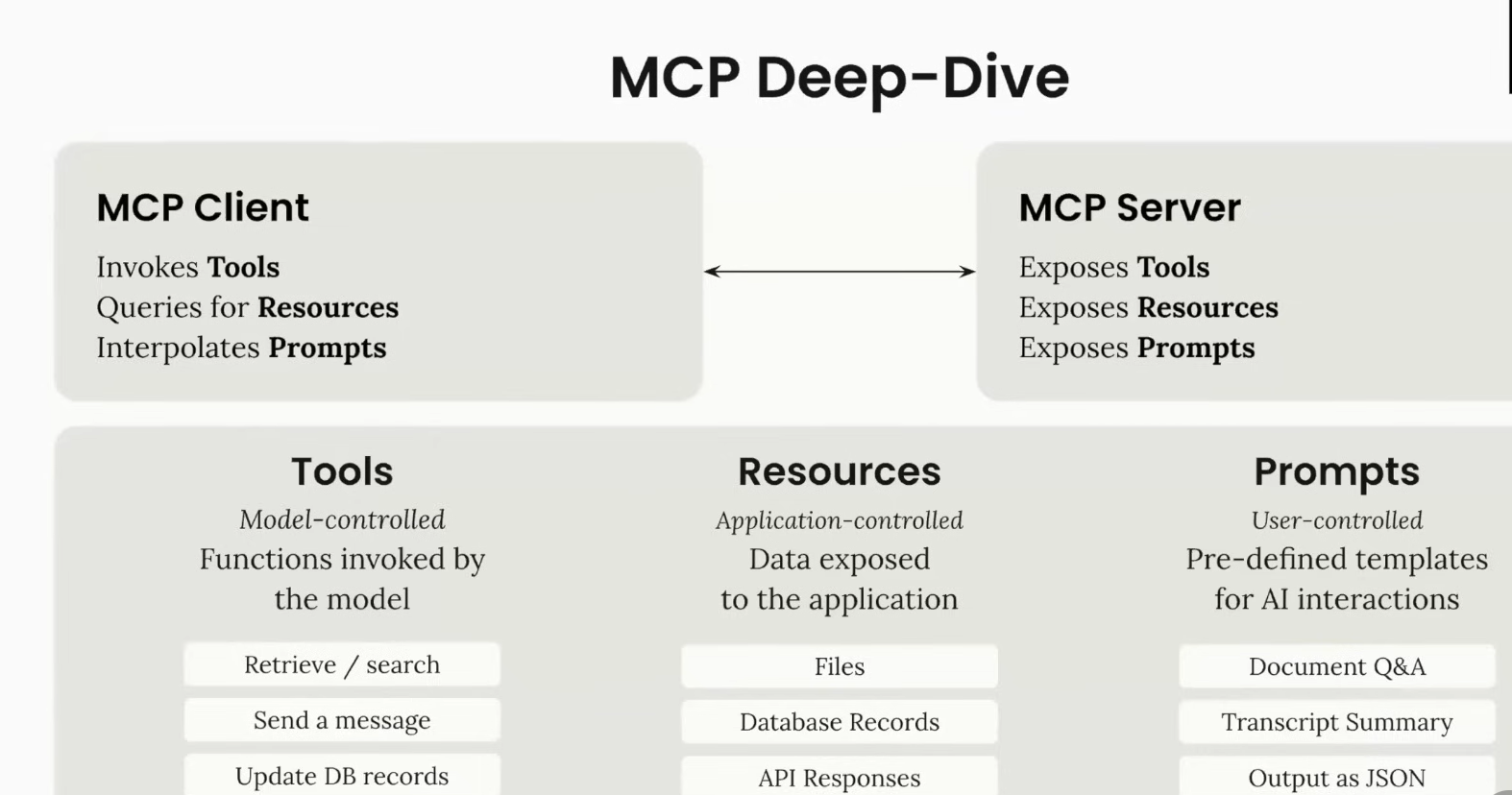
MCP provides agents with access to tools.
-
A2A allows agents to connect with other agents and collaborate in teams.
-
The visual below explains where exactly they fit into the Agent protocol stack.
What is A2A?
- A2A (Agent2Agent) enables multiple AI agents to work together on tasks without directly sharing their internal memory, thoughts, or tools.
Instead, they communicate by exchanging context, task updates, instructions, and data.
A2A <> MCP
-
AI applications can model A2A agents as MCP resources, represented by their AgentCard (more about cards in next tweet).
-
Using this, AI Agents connecting to an MCP server can discover new Agents to collaborate with and connect via the A2A protocol.
Agent Cards (ID cards for Agents)
What makes A2A powerful?
-
Secure collaboration
-
Task and state management
-
UX negotiation
-
Capability discovery
-
Agents from different frameworks working together
-
Additionally, it can integrate with MCP.
-
If you want to learn MCPs from scratch (with projects), I have shared a free guidebook in the replies.
LLM fine-tuning techniques I’d learn if I were to customize them:
-
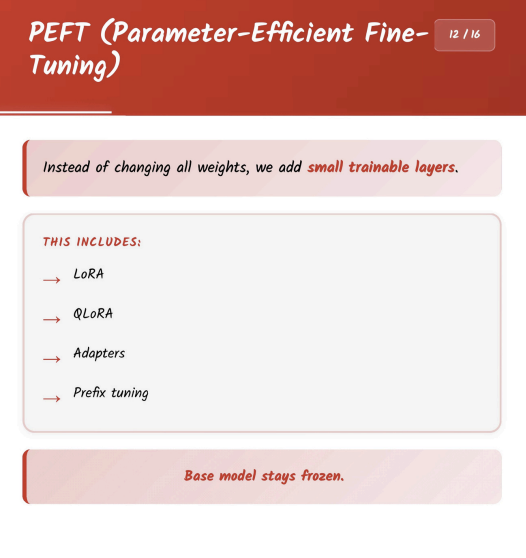
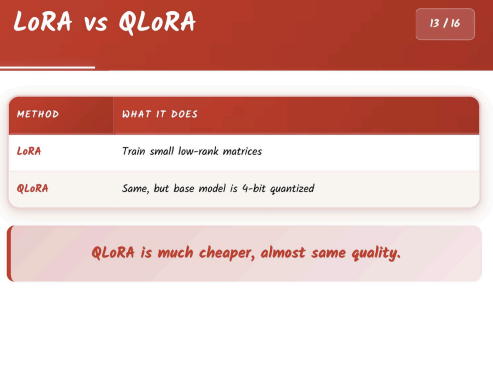
- LoRA
-
- QLoRA
-
- Prefix Tuning
-
- Adapter Tuning
-
- Instruction Tuning
-
- P-Tuning
-
- BitFit
= 8. Soft Prompts
-
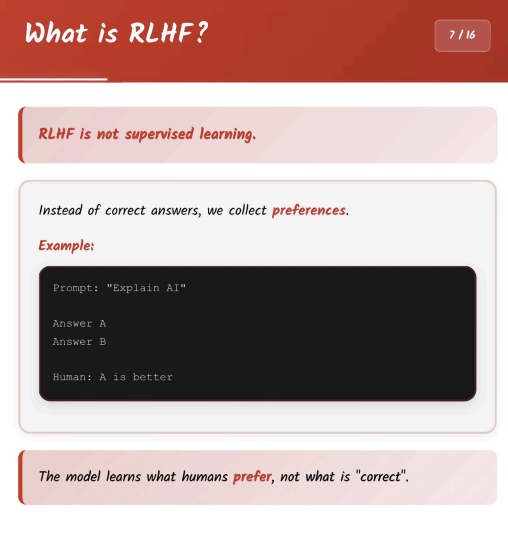
- RLHF
-
- RLAIF
-
- DPO (Direct Preference Optimization)
-
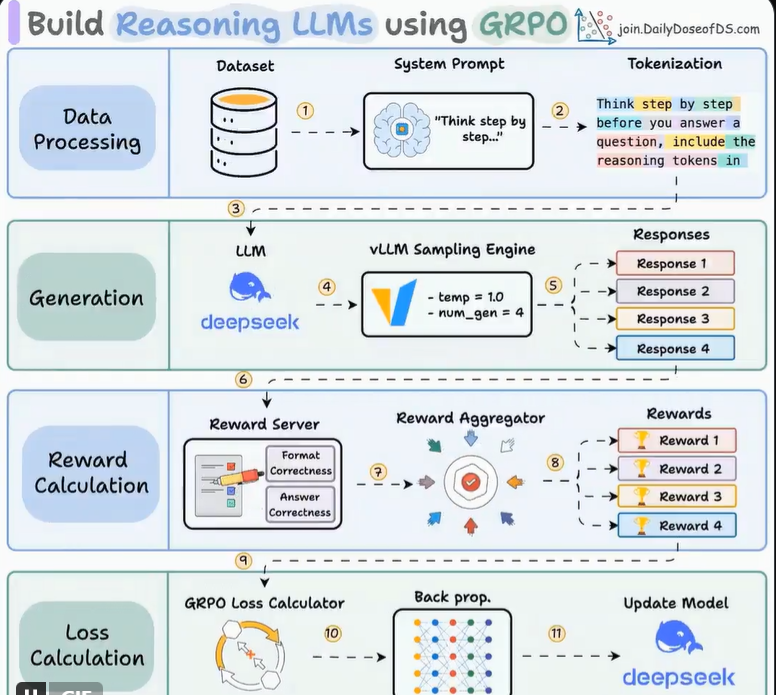
- GRPO (Group Relative Policy Optimization)
-
- RLAIF (RL with AI Feedback)
-
- Multi-Task Fine-Tuning
-
- Federated Fine-Tuning
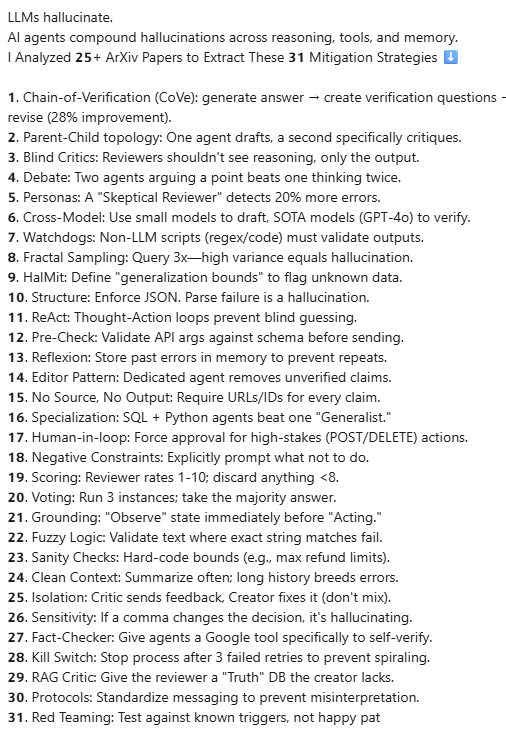
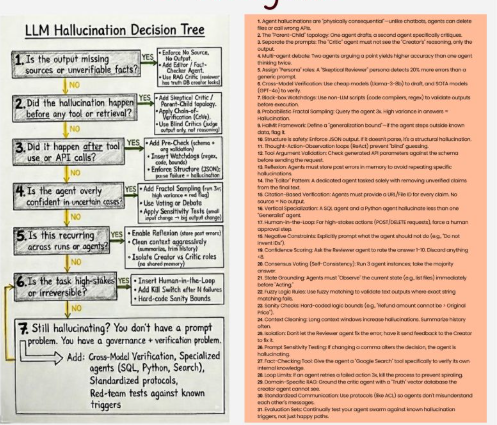
LLMs hallucinate
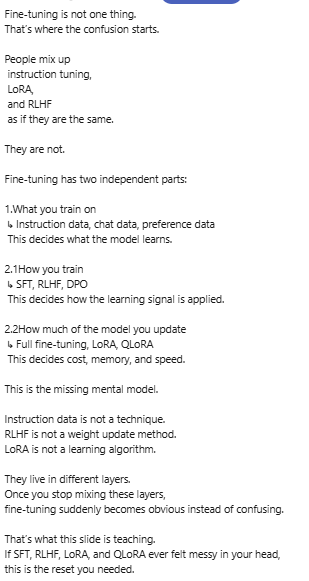
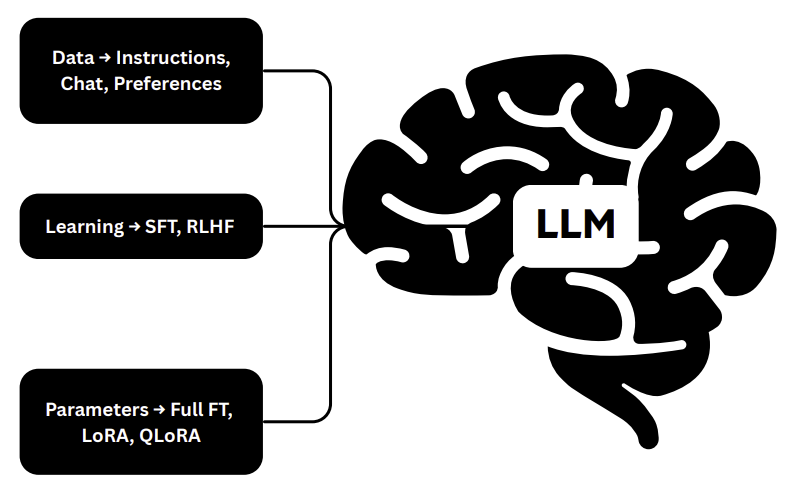
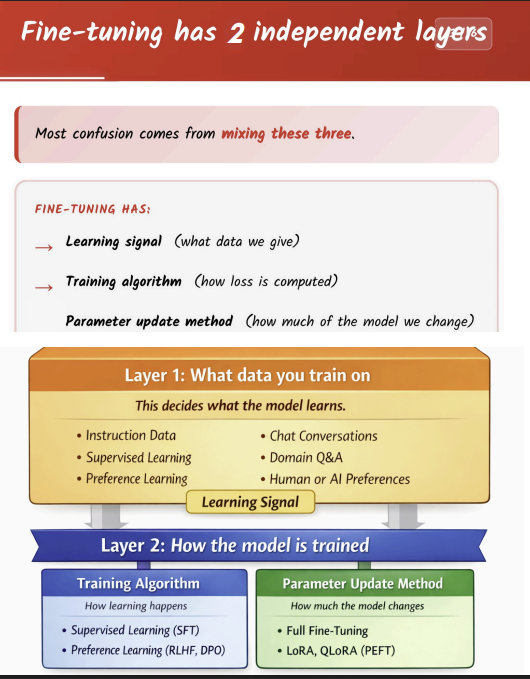
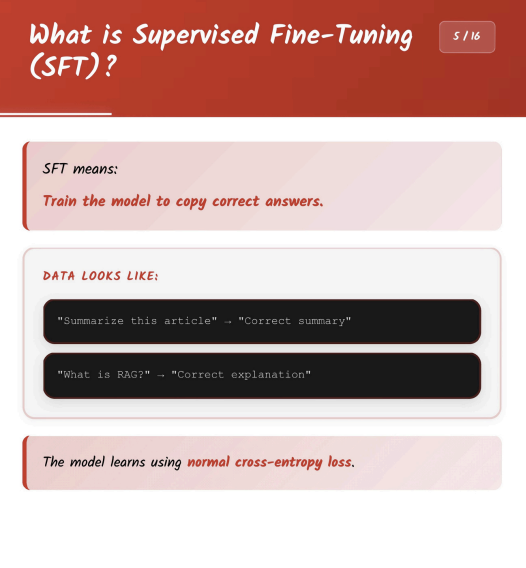
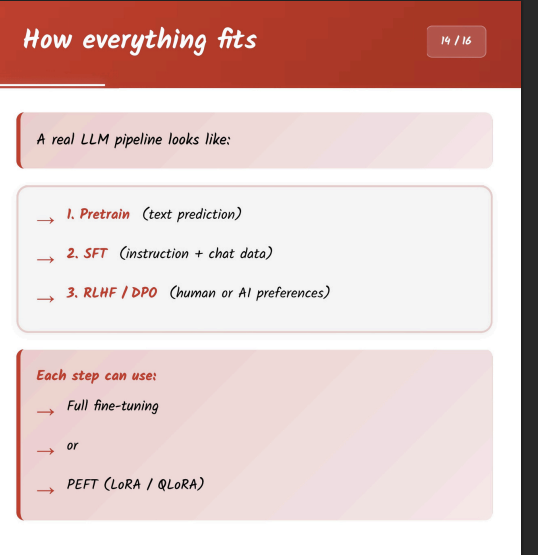
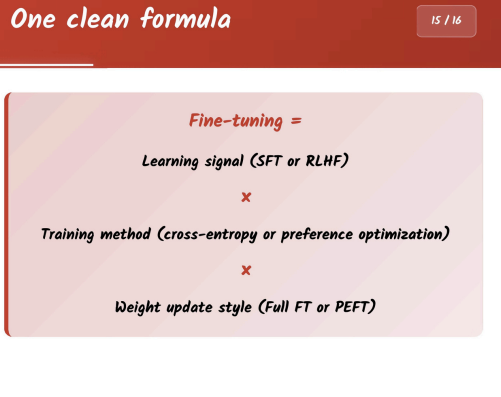
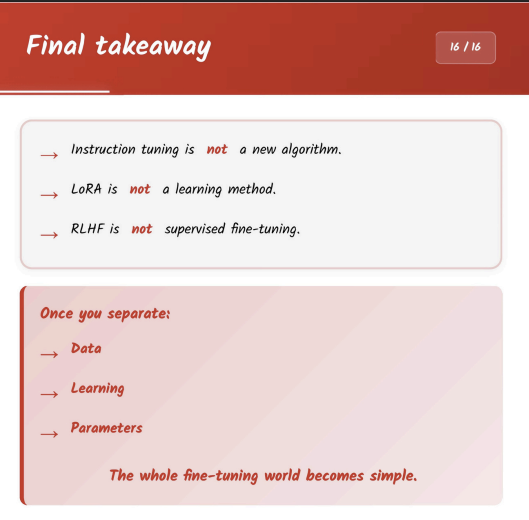
Fine-Tuning LLMs Without the Confusion
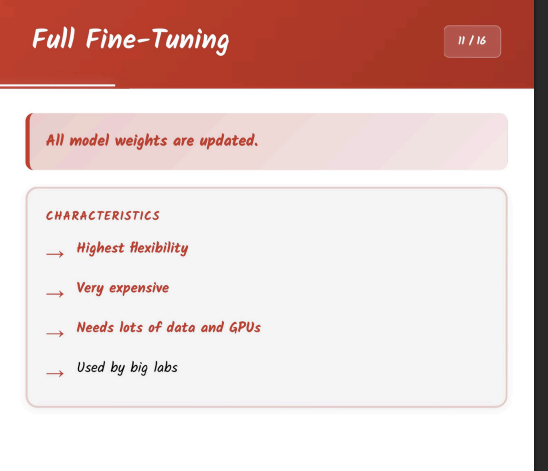
How SFT, RLHF, LoRA, QLoRA, and instruction tuning actually fit together LLM





AI Engineering

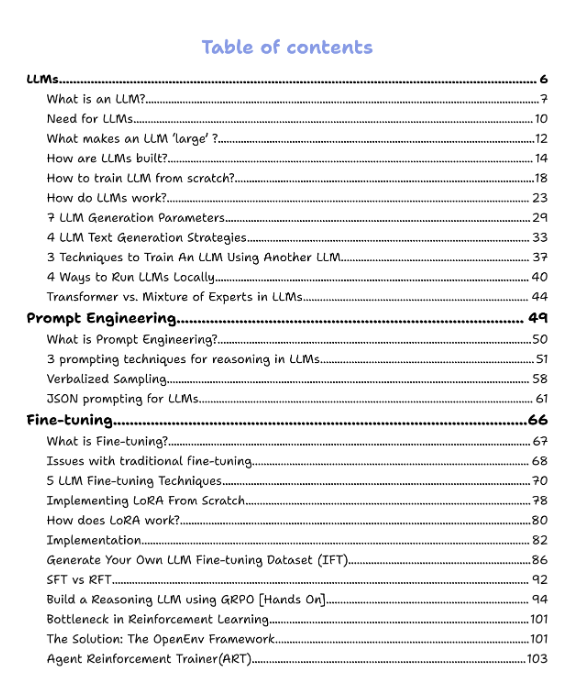
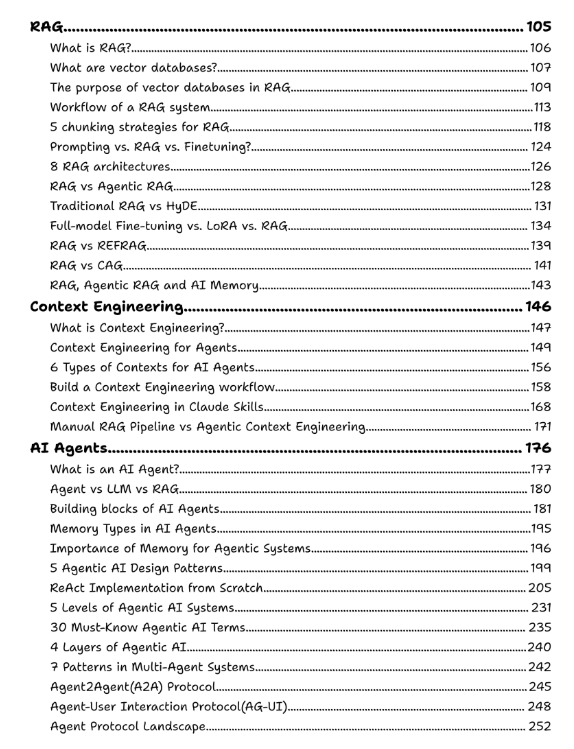

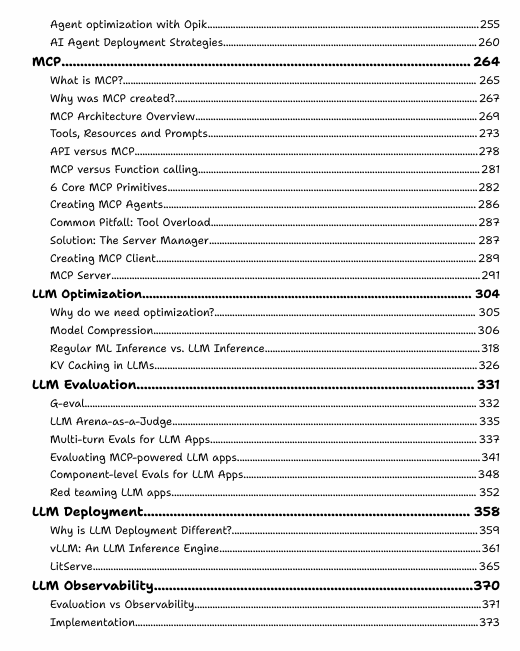
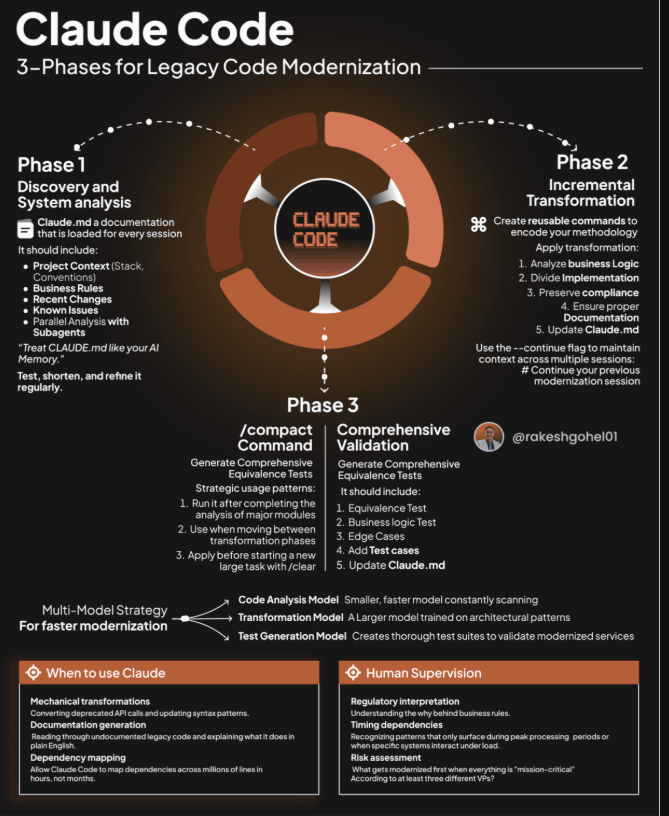
Claude Code 3-Phase strategy:

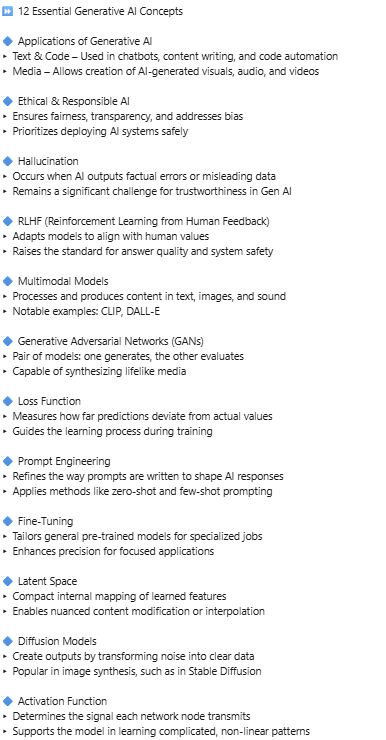
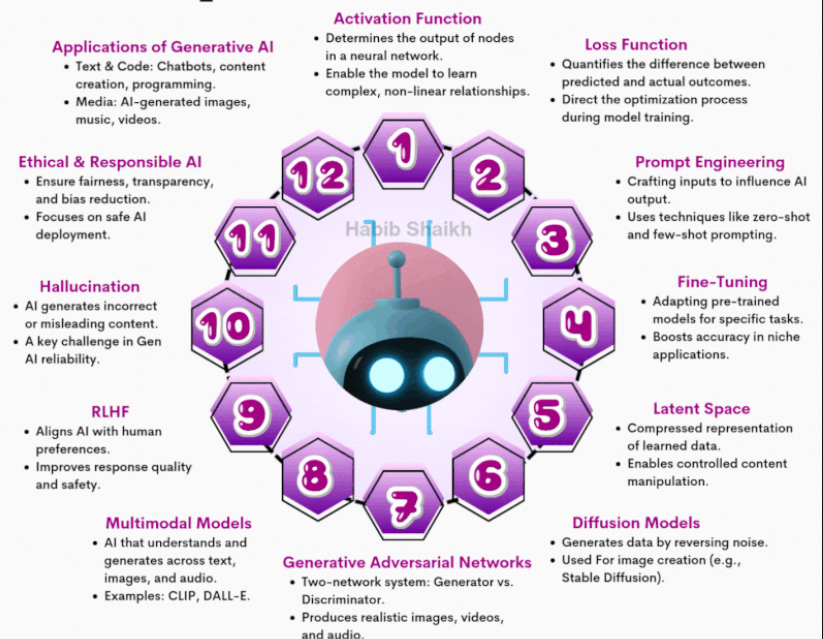
12 Essential Generative AI Concepts
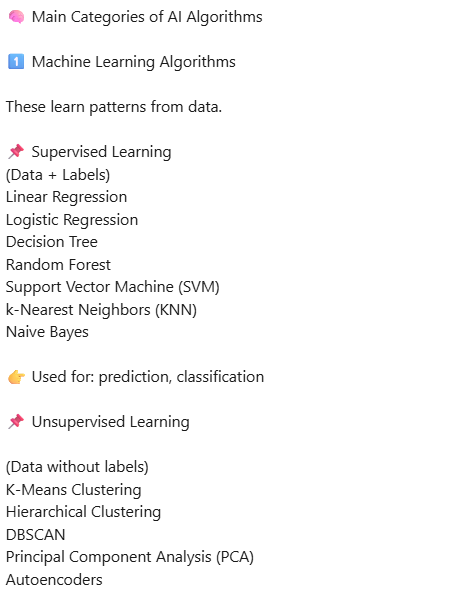
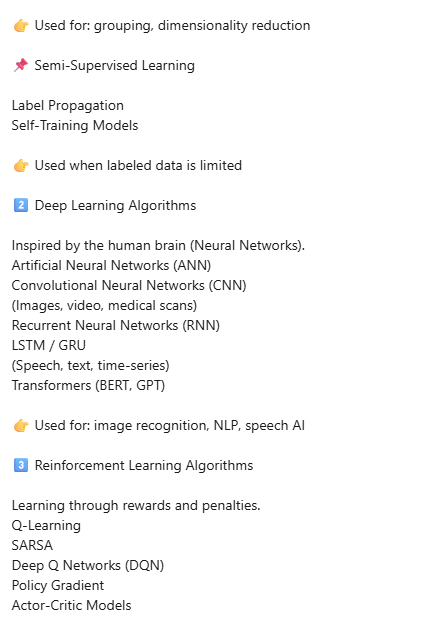
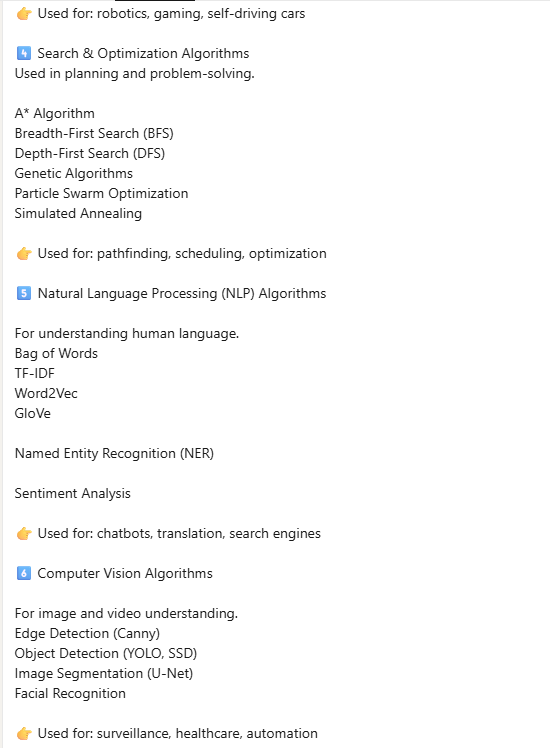
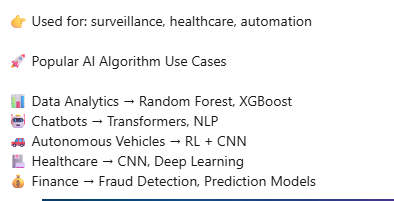
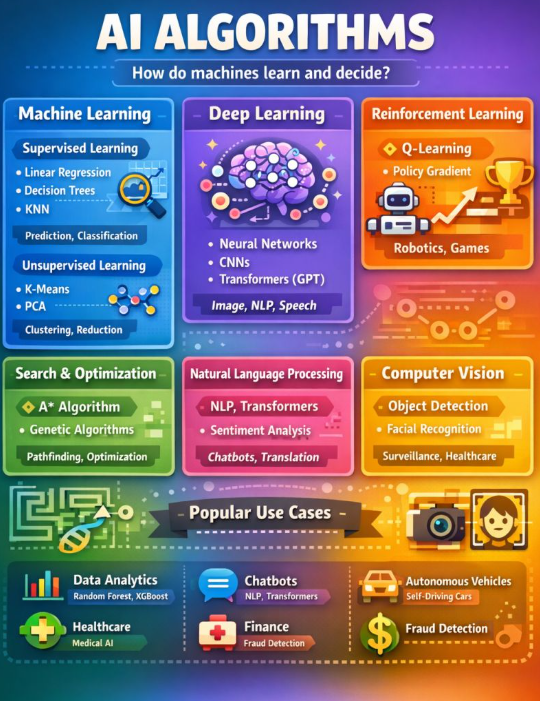
AI Algorithms
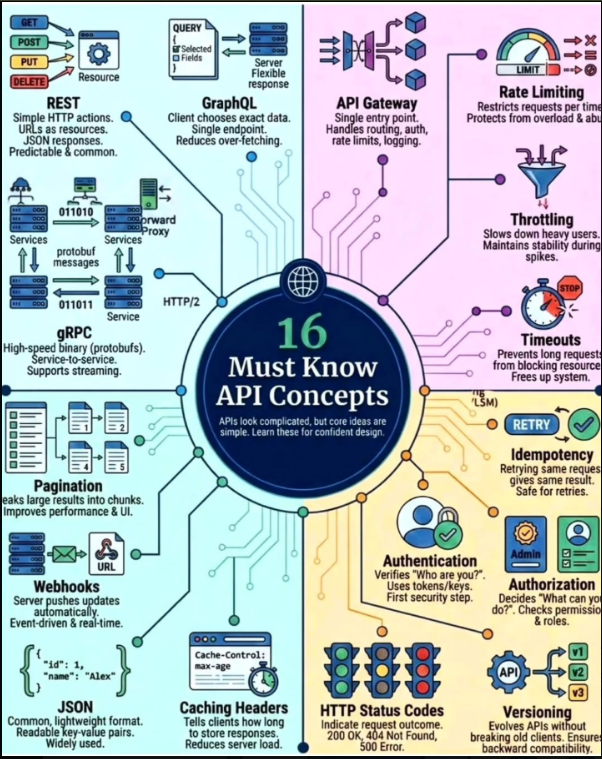
API Concepts
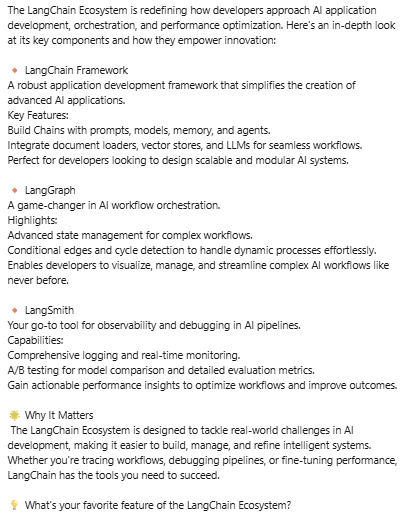
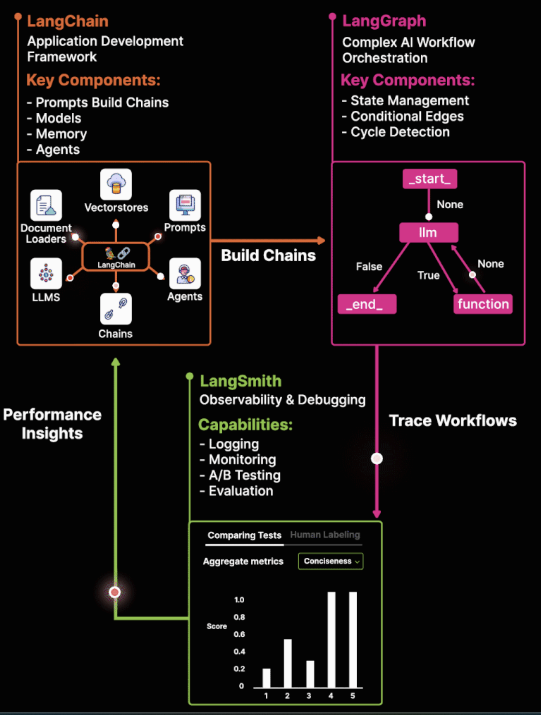
Unpacking the LangChain Ecosystem
𝐑𝐞𝐀𝐜𝐭: 𝐂𝐨𝐦𝐛𝐢𝐧𝐢𝐧𝐠 𝐑𝐞𝐚𝐬𝐨𝐧𝐢𝐧𝐠 𝐚𝐧𝐝 𝐀𝐜𝐭𝐢𝐧𝐠 𝐢𝐧 𝐋𝐚𝐧𝐠𝐮𝐚𝐠𝐞 𝐌𝐨𝐝𝐞𝐥𝐬
Cornell University
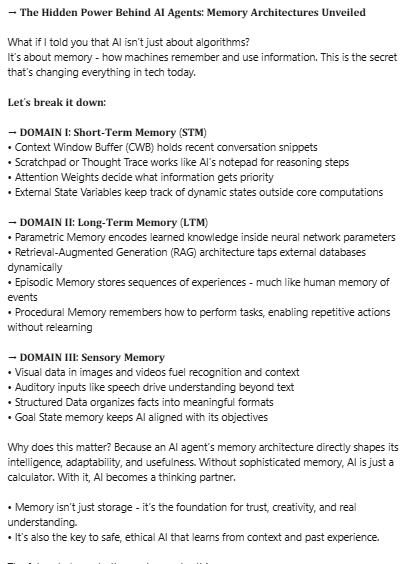
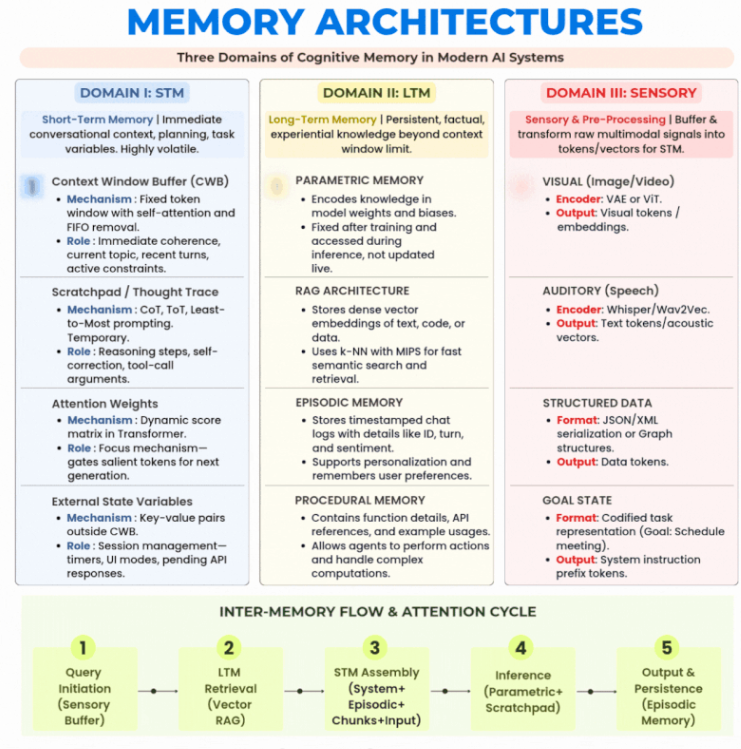
𝐓𝐡𝐞 𝐇𝐢𝐝𝐝𝐞𝐧 𝐏𝐨𝐰𝐞𝐫 𝐁𝐞𝐡𝐢𝐧𝐝 𝐀𝐈 𝐀𝐠𝐞𝐧𝐭𝐬: 𝐌𝐞𝐦𝐨𝐫𝐲 𝐀𝐫𝐜𝐡𝐢𝐭𝐞𝐜𝐭𝐮𝐫𝐞𝐬 𝐔𝐧𝐯𝐞𝐢𝐥𝐞𝐝
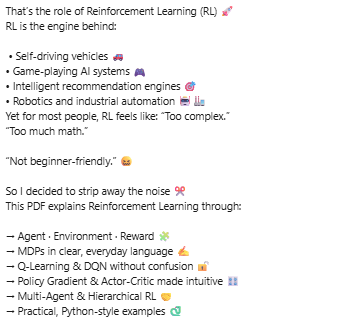
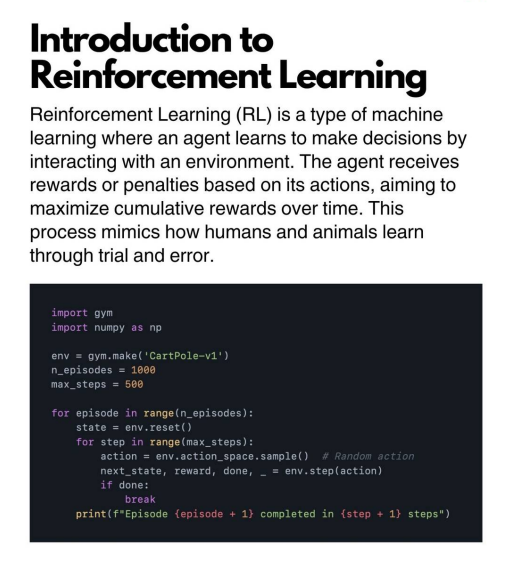
The role of Reinforcement Learning (RL)



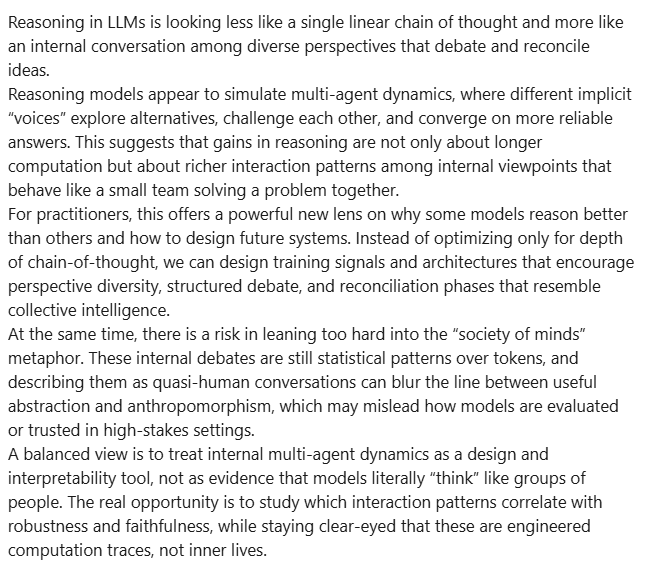
Reasoning Models Generate Societies of Thought
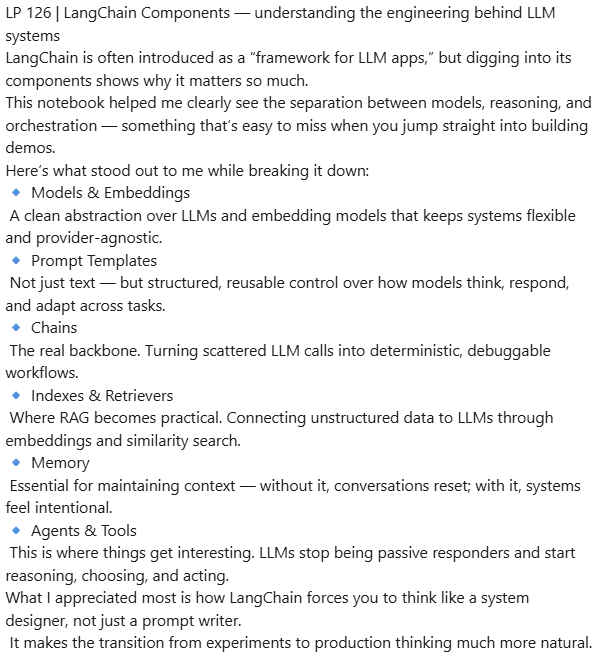
LangChain Components — understanding the engineering behind LLM systems
The Smol Training Playbook
Small Language Models for AI Agents
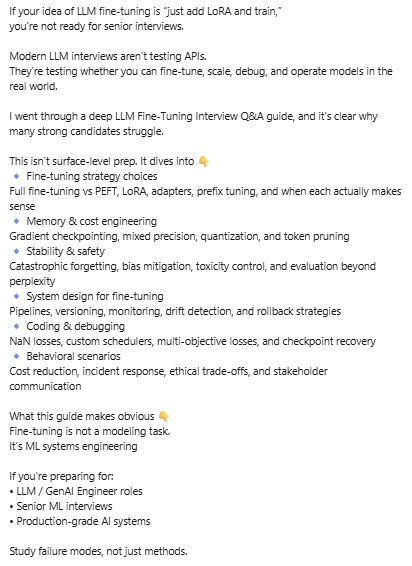
LLM Fine Tuningb Engineer Interview Questions and Answers
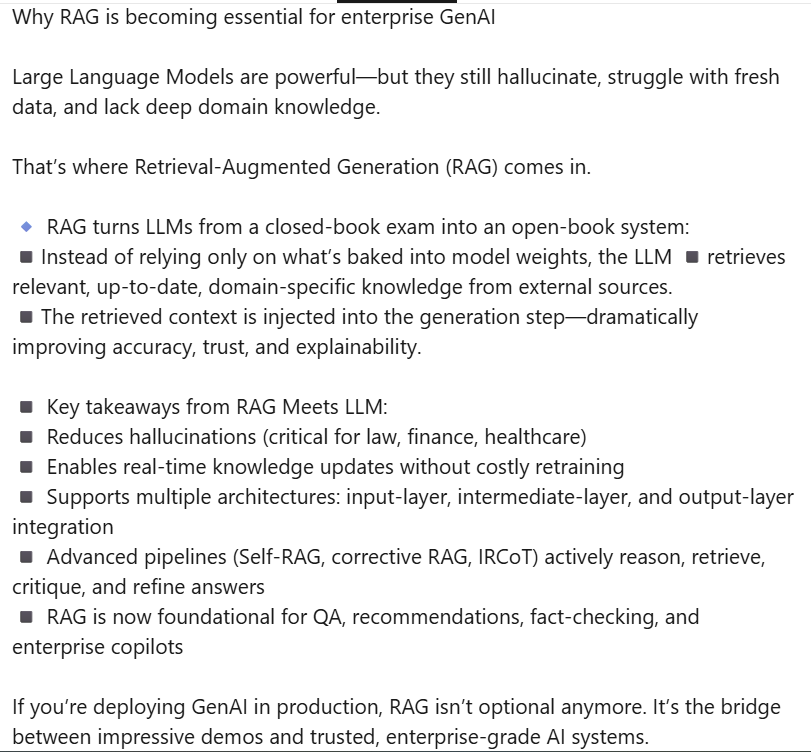
RAG Meets LLMs
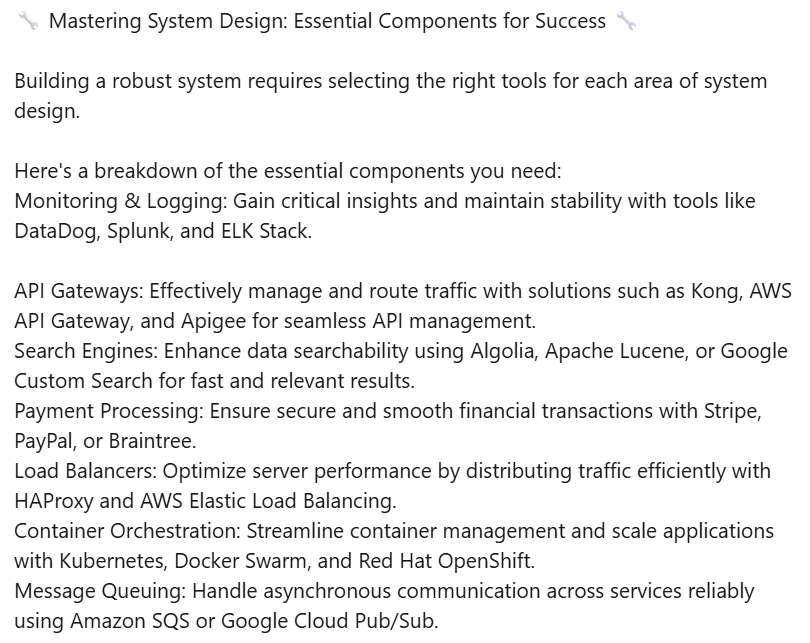
🔧 Mastering System Design: Essential Components for Success 🔧

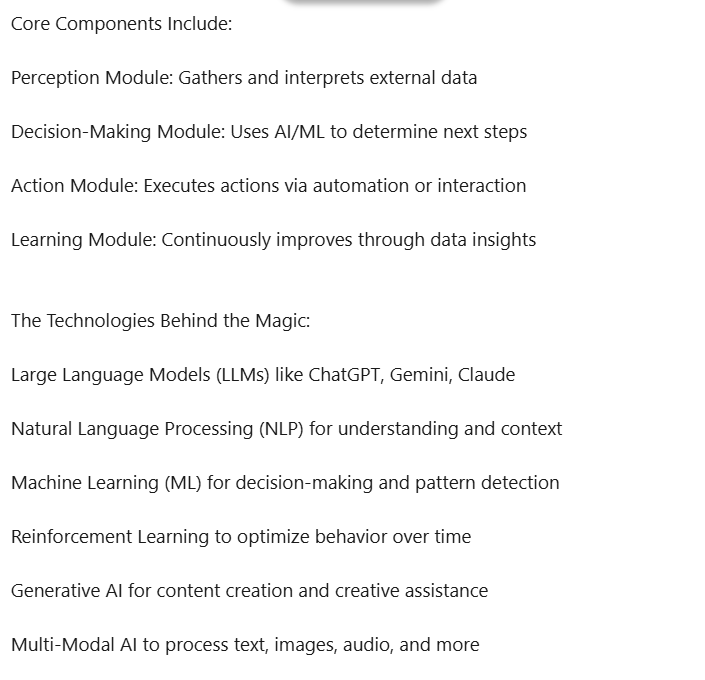
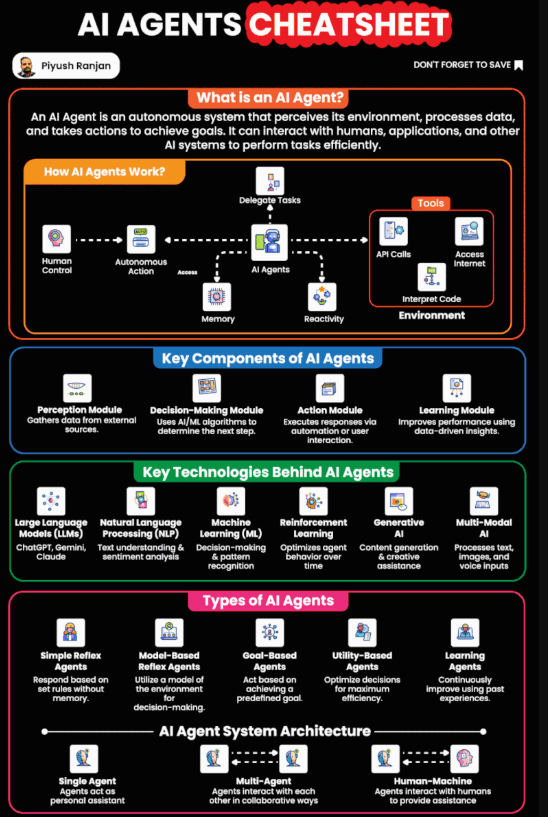
AI Agents Cheatsheet


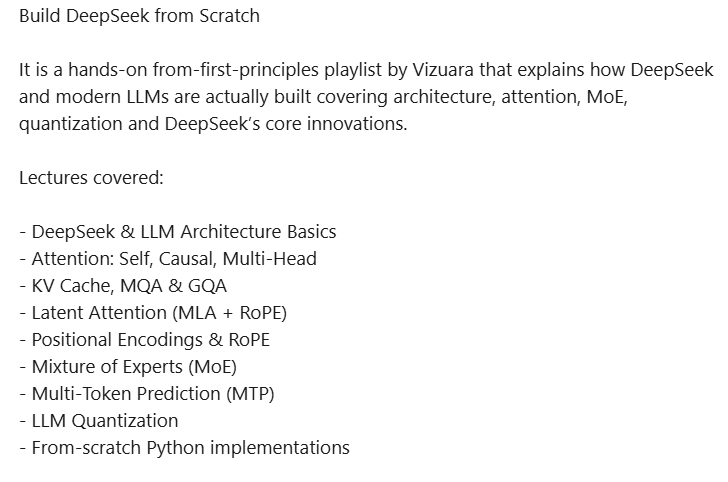
Build DeepSeek from Scratch

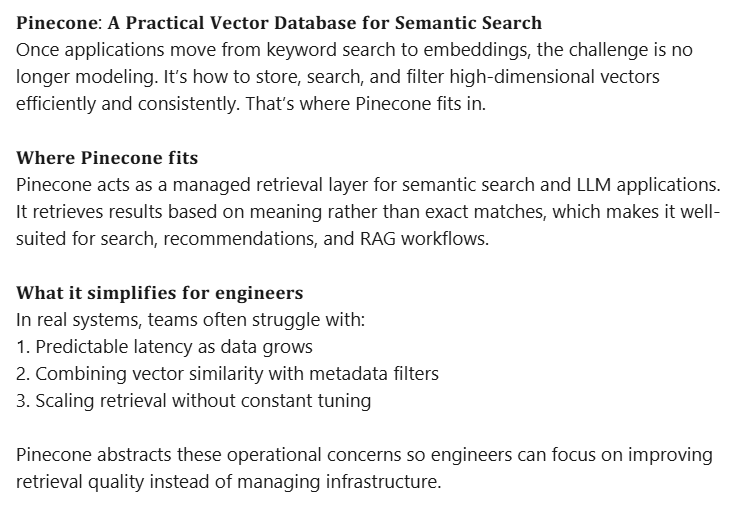
𝐏𝐢𝐧𝐞𝐜𝐨𝐧𝐞: 𝐀 𝐏𝐫𝐚𝐜𝐭𝐢𝐜𝐚𝐥 𝐕𝐞𝐜𝐭𝐨𝐫 𝐃𝐚𝐭𝐚𝐛𝐚𝐬𝐞 𝐟𝐨𝐫 𝐒𝐞𝐦𝐚𝐧𝐭𝐢𝐜 𝐒𝐞𝐚𝐫𝐜𝐡

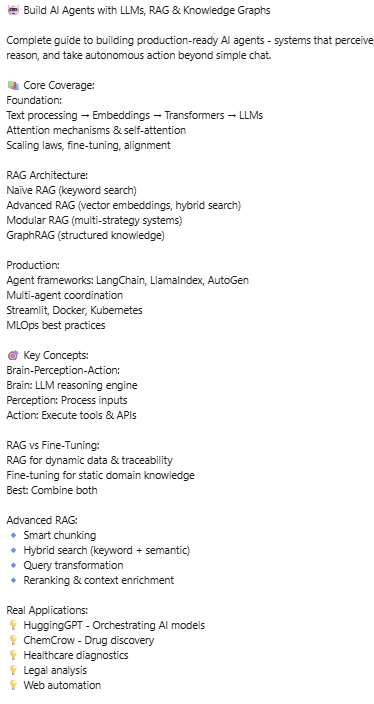
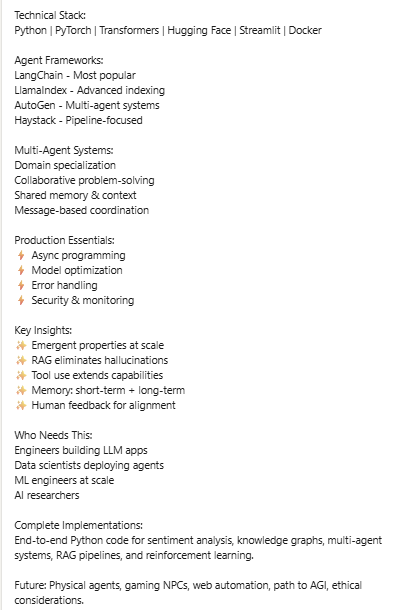
Build AI Agents with LLMs, RAG & Knowledge Graphs
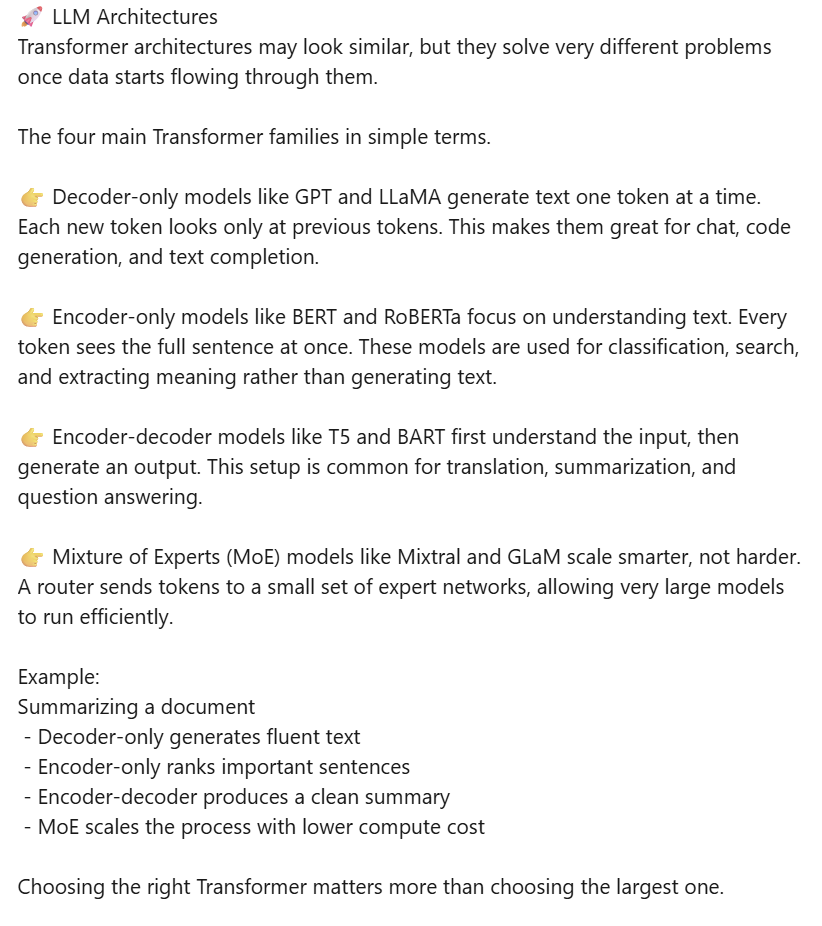
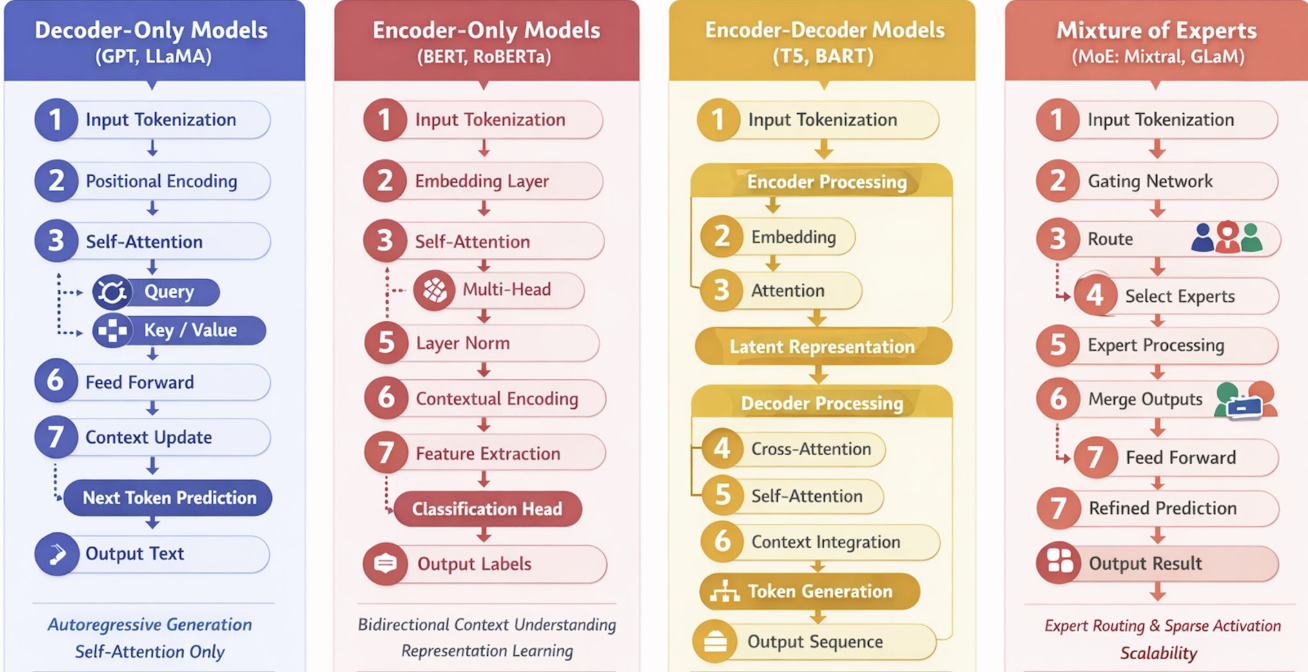
🚀 LLM Architectures
Learn Retrieval-Augmented Generation (RAG) from Scratch – Complete Video Series by LangChain
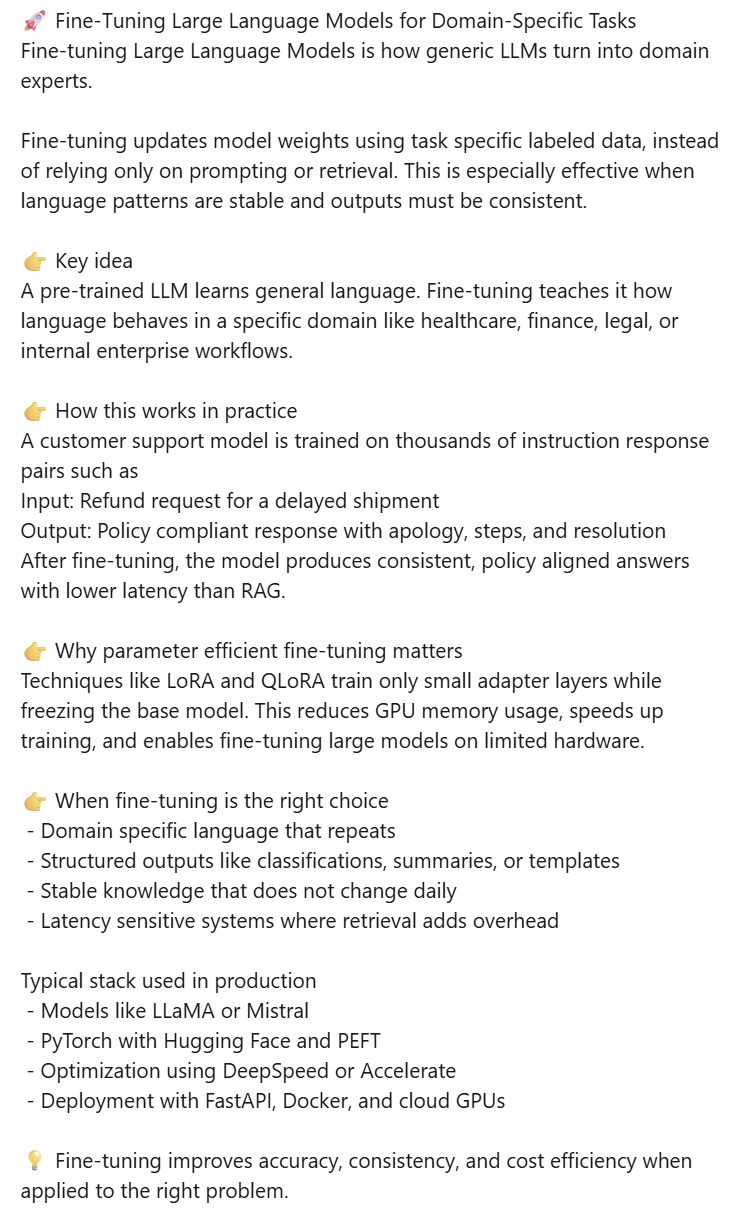
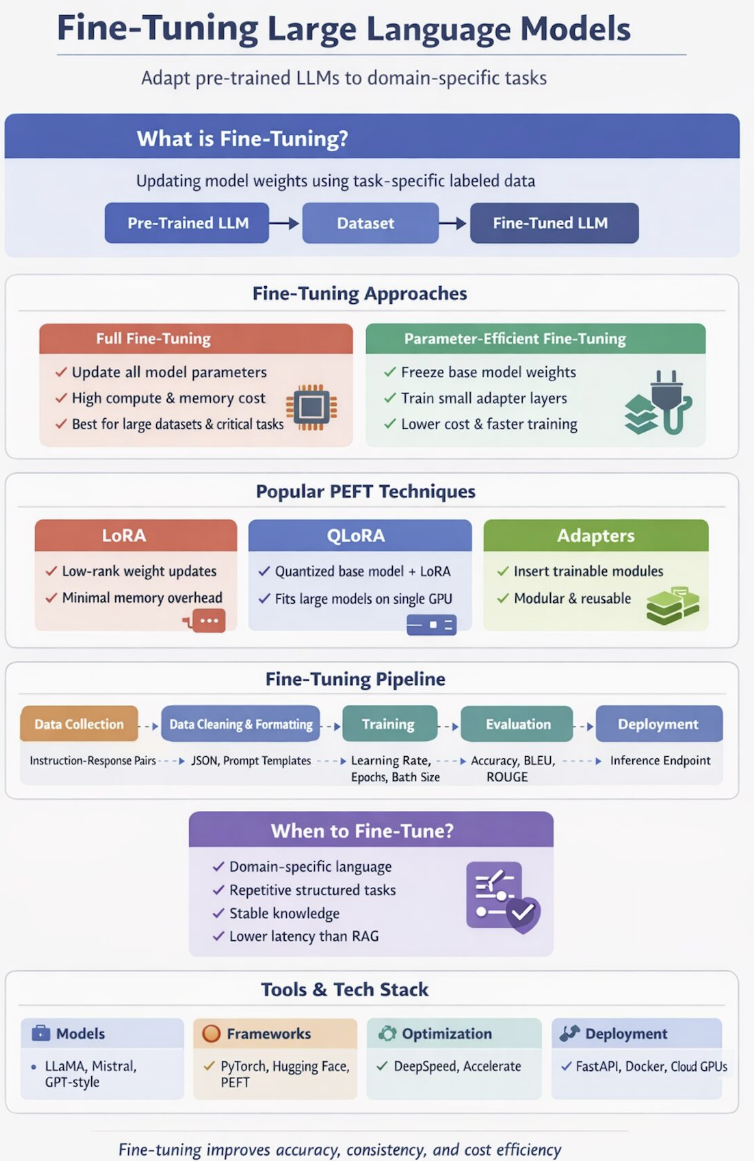
🚀 Fine-Tuning Large Language Models for Domain-Specific Tasks
Fine-tuning Large Language Models is how generic LLMs turn into domain experts.
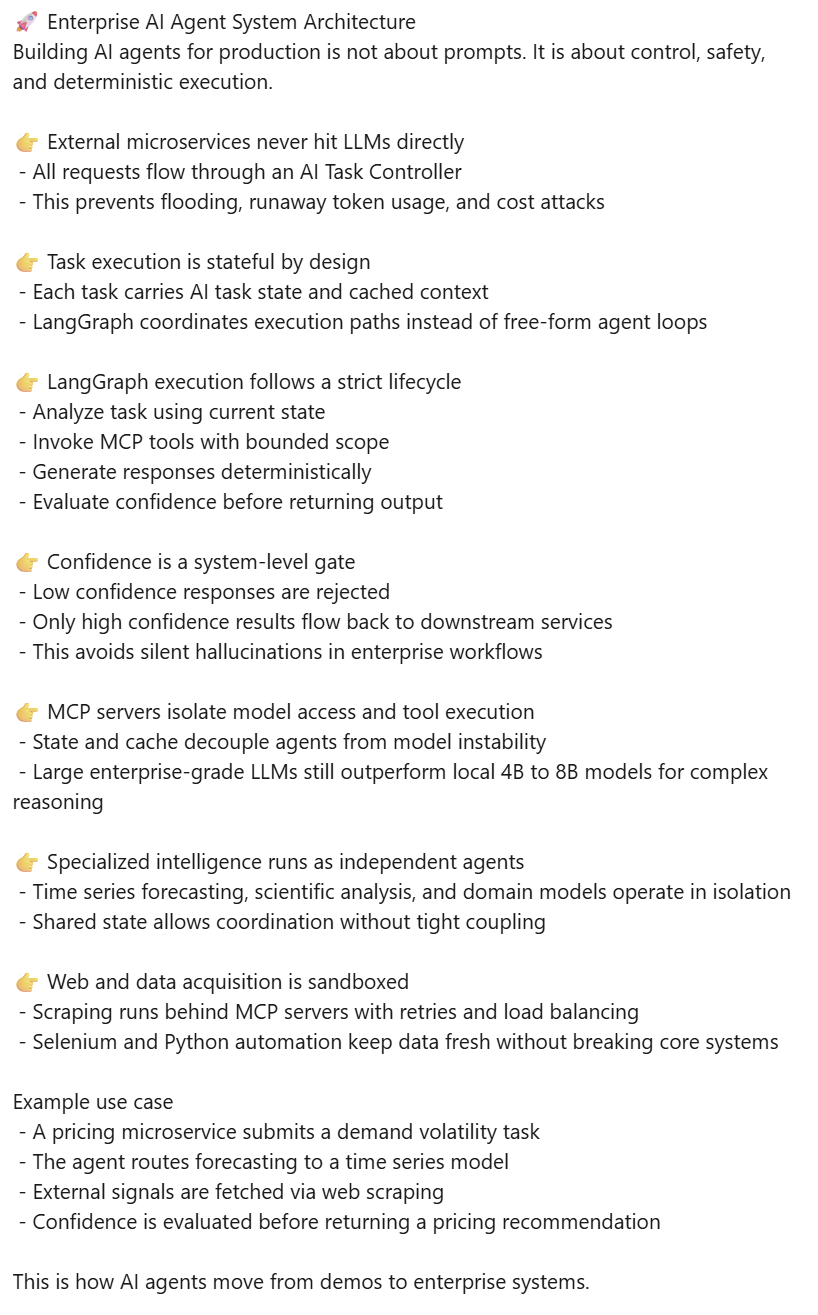
Enterprise AI Agent System Architecture

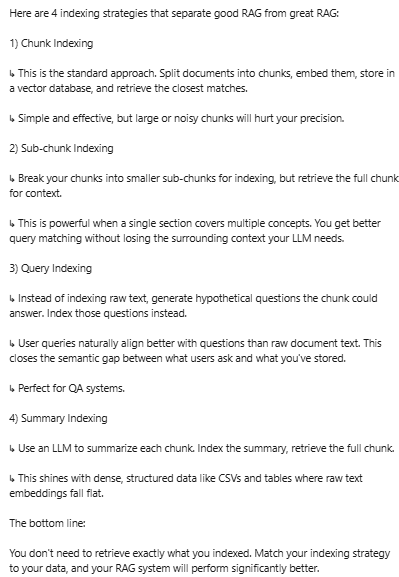
4 indexing strategies that separate good RAG from great RAG:

Components of AI agents
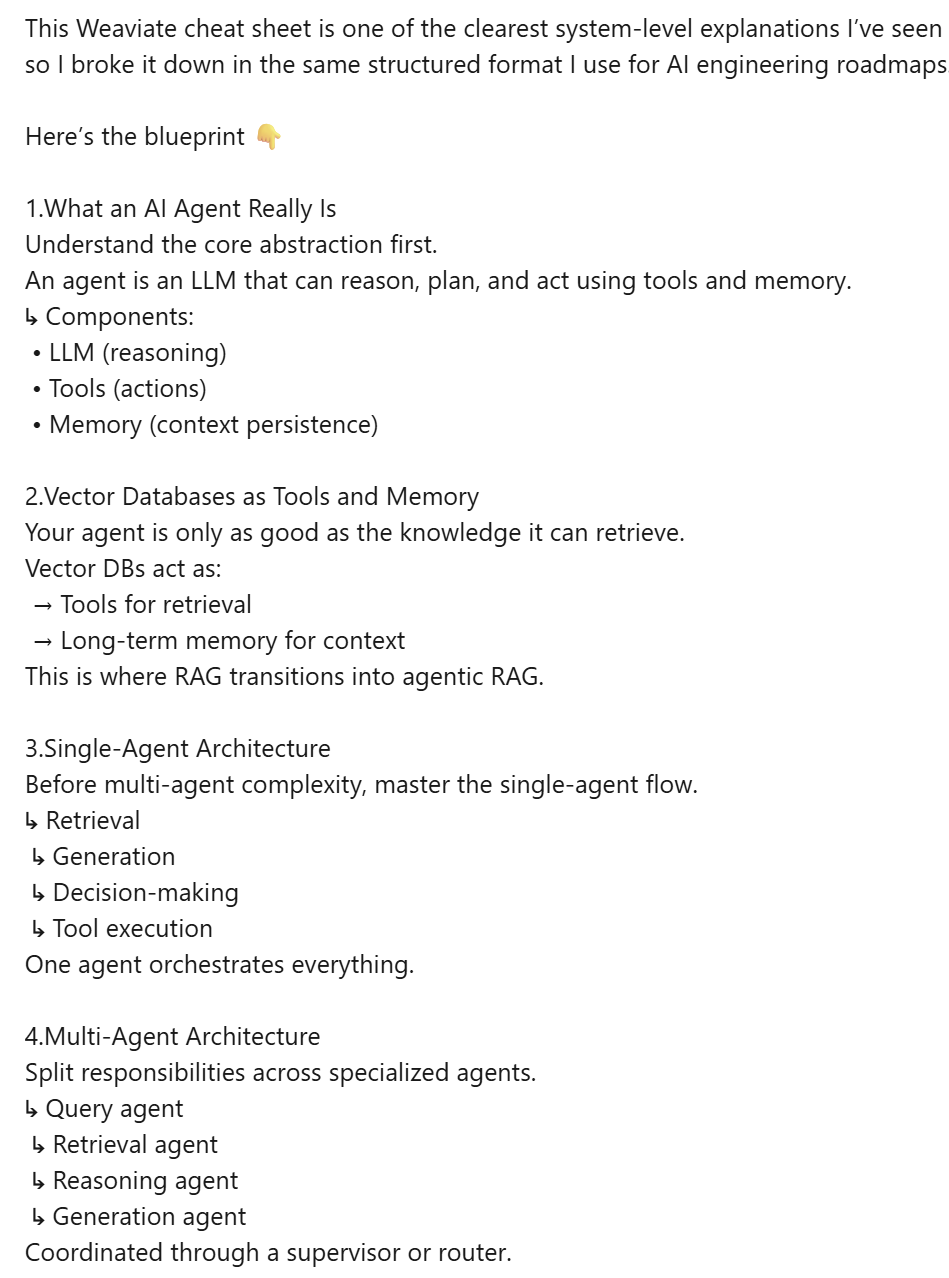
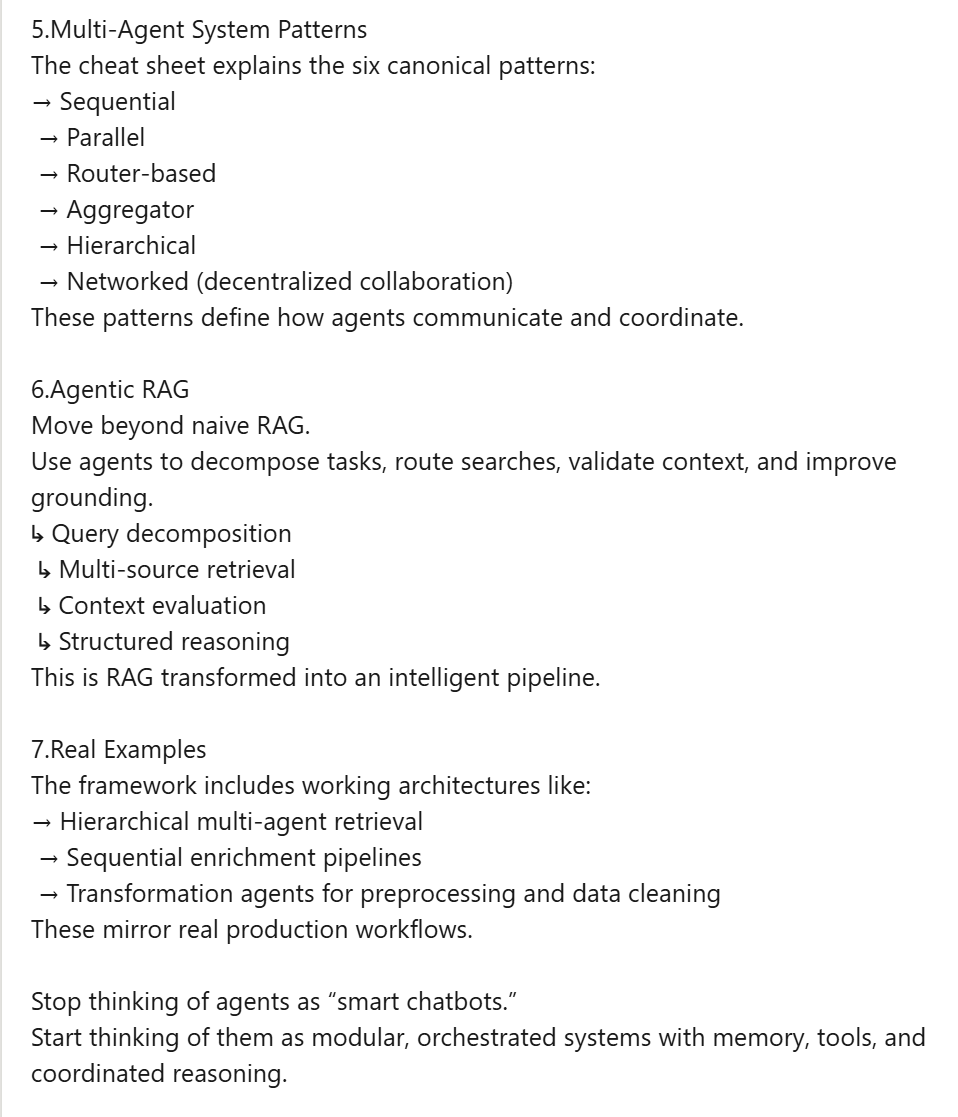
LLM APIs and only tweaking temperature
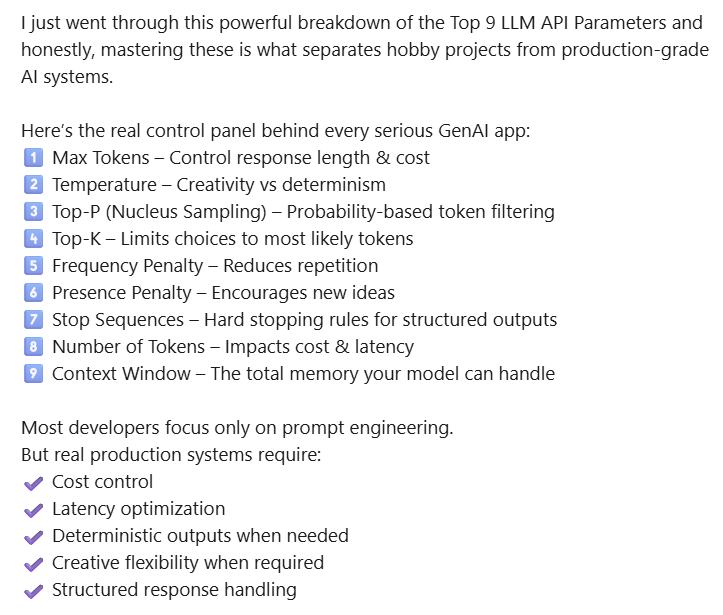
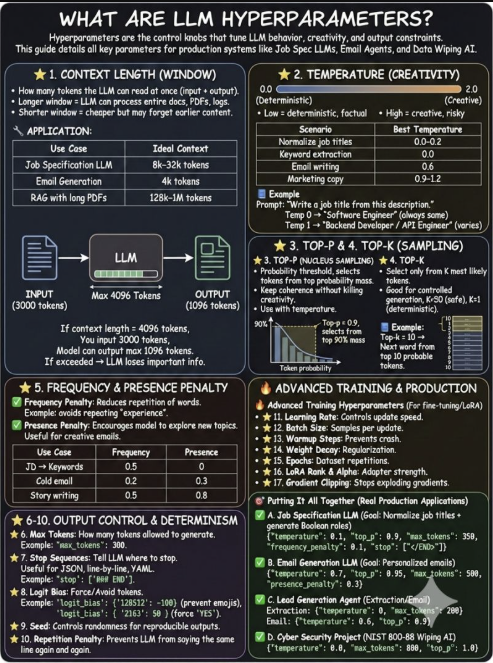
Hyperparameter Cheat Sheet
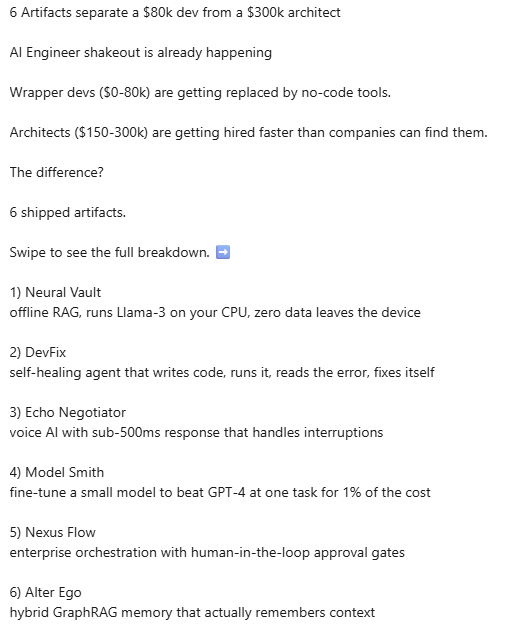
6 Artifacts separate a $80k dev from a $300k architect
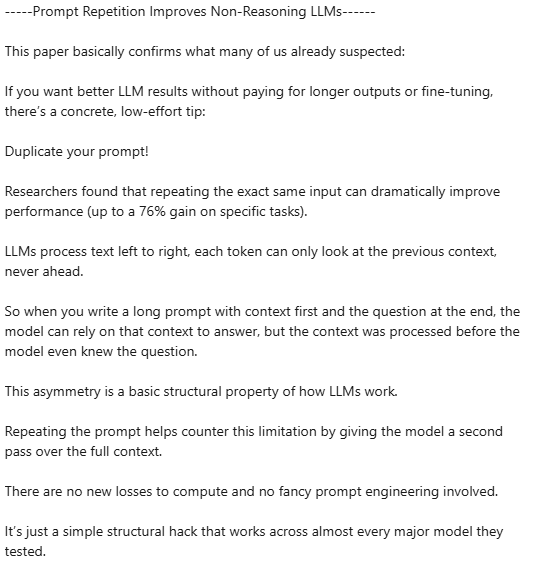
Prompt Repetition Improves Non-Reasoning LLMs
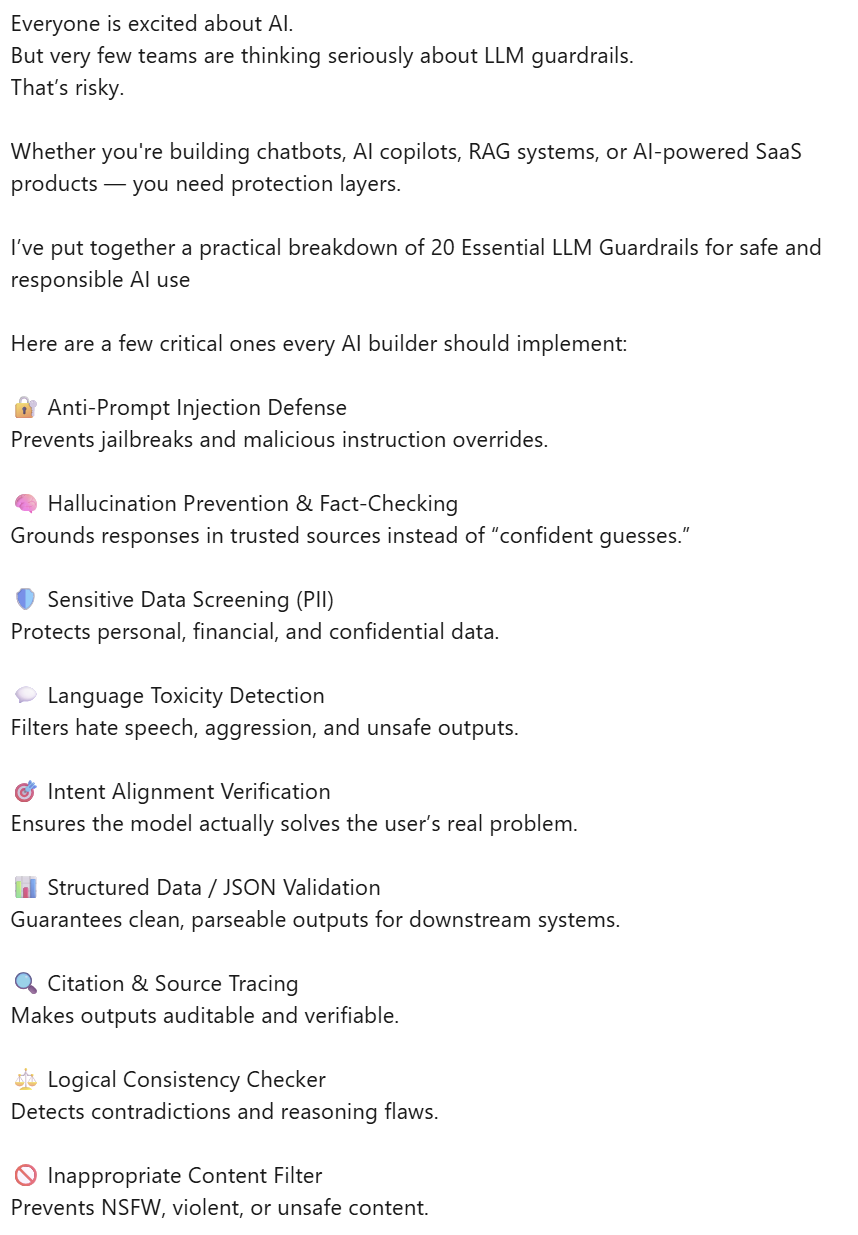
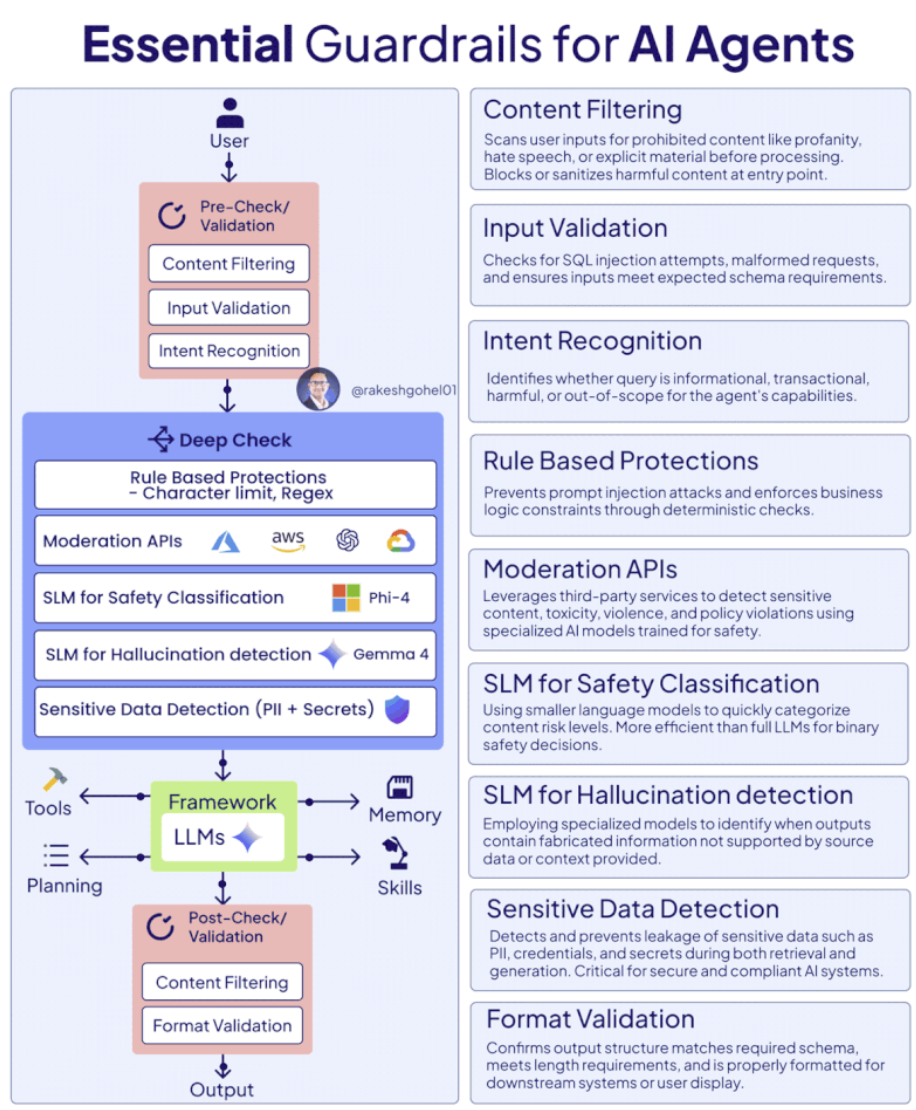
20 Essential LLM guardrails
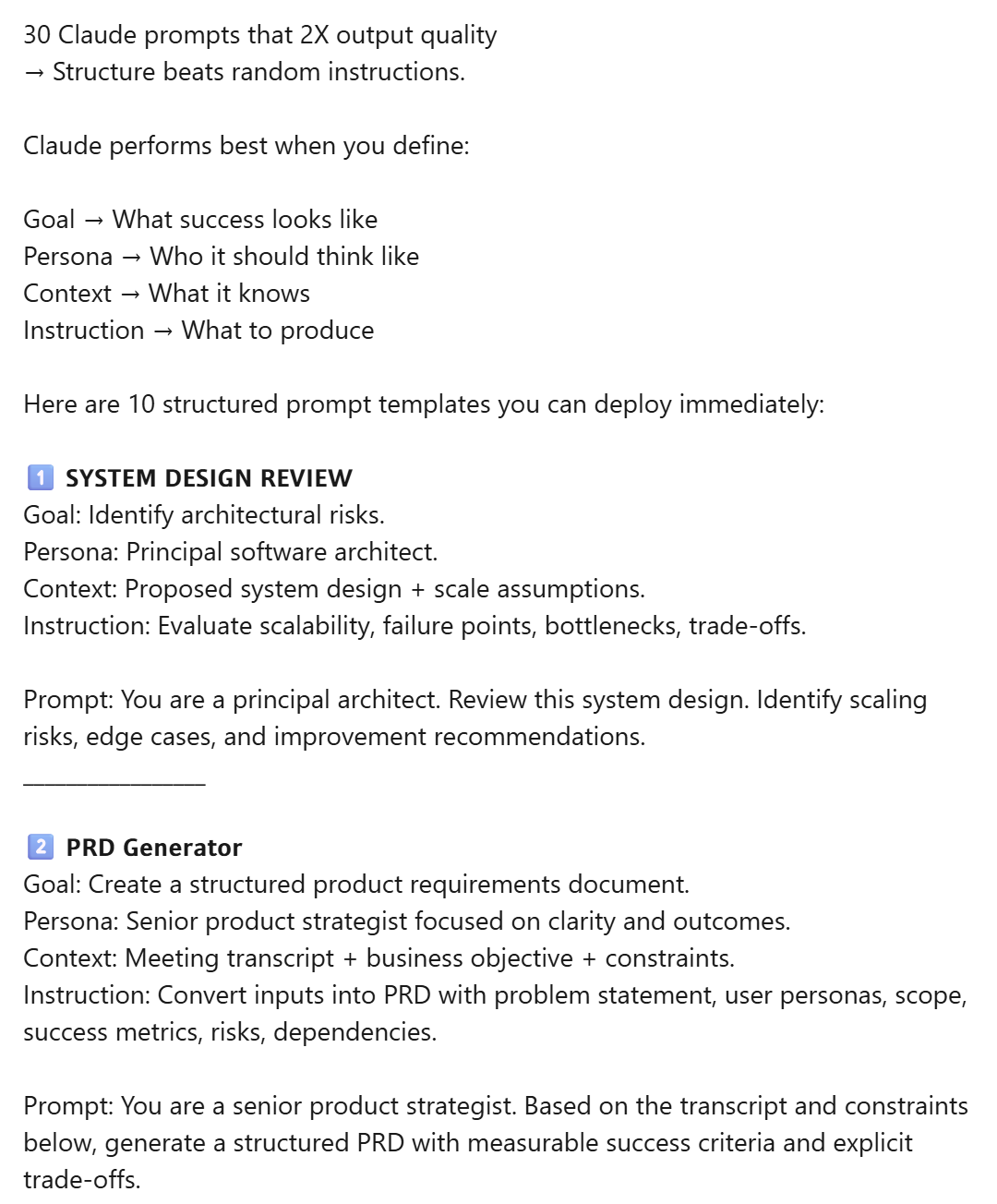
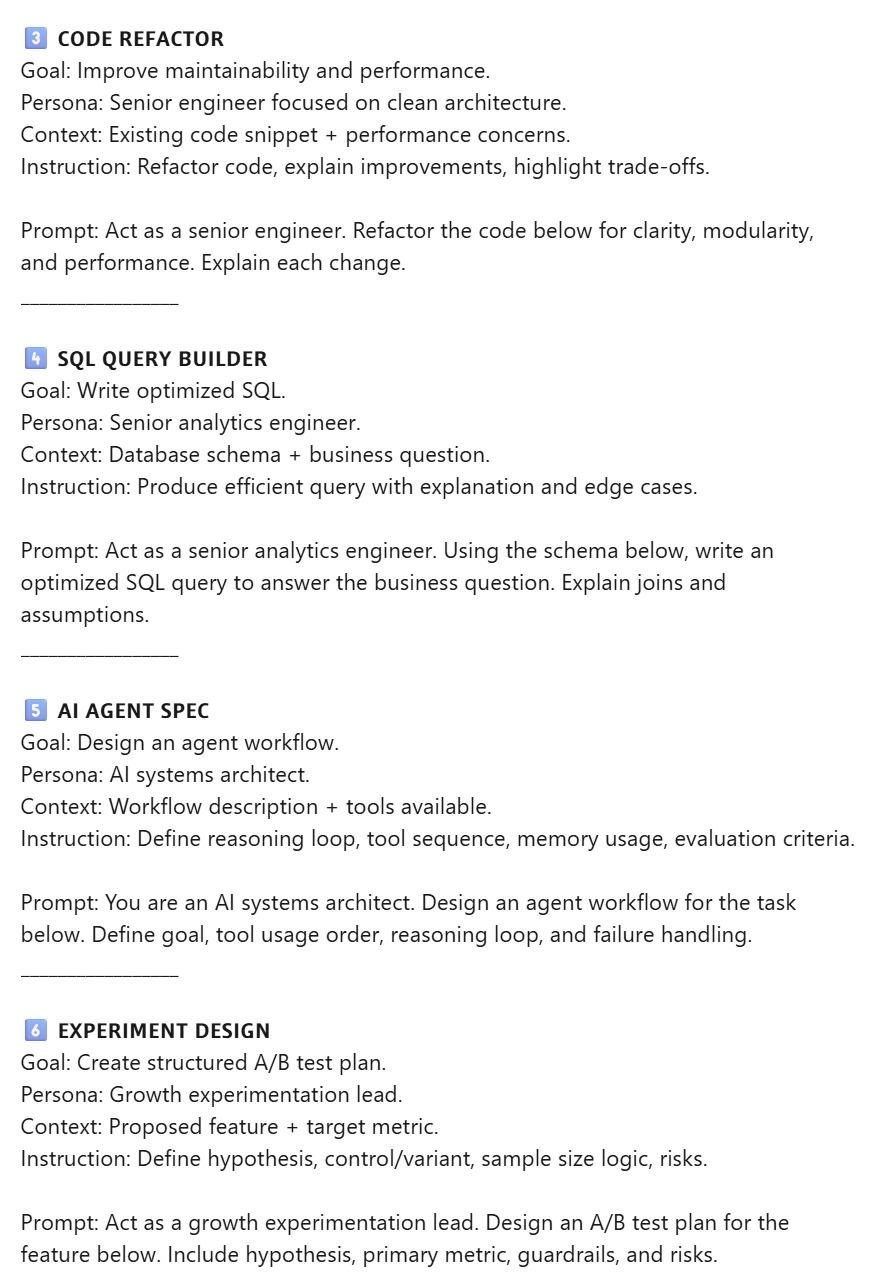
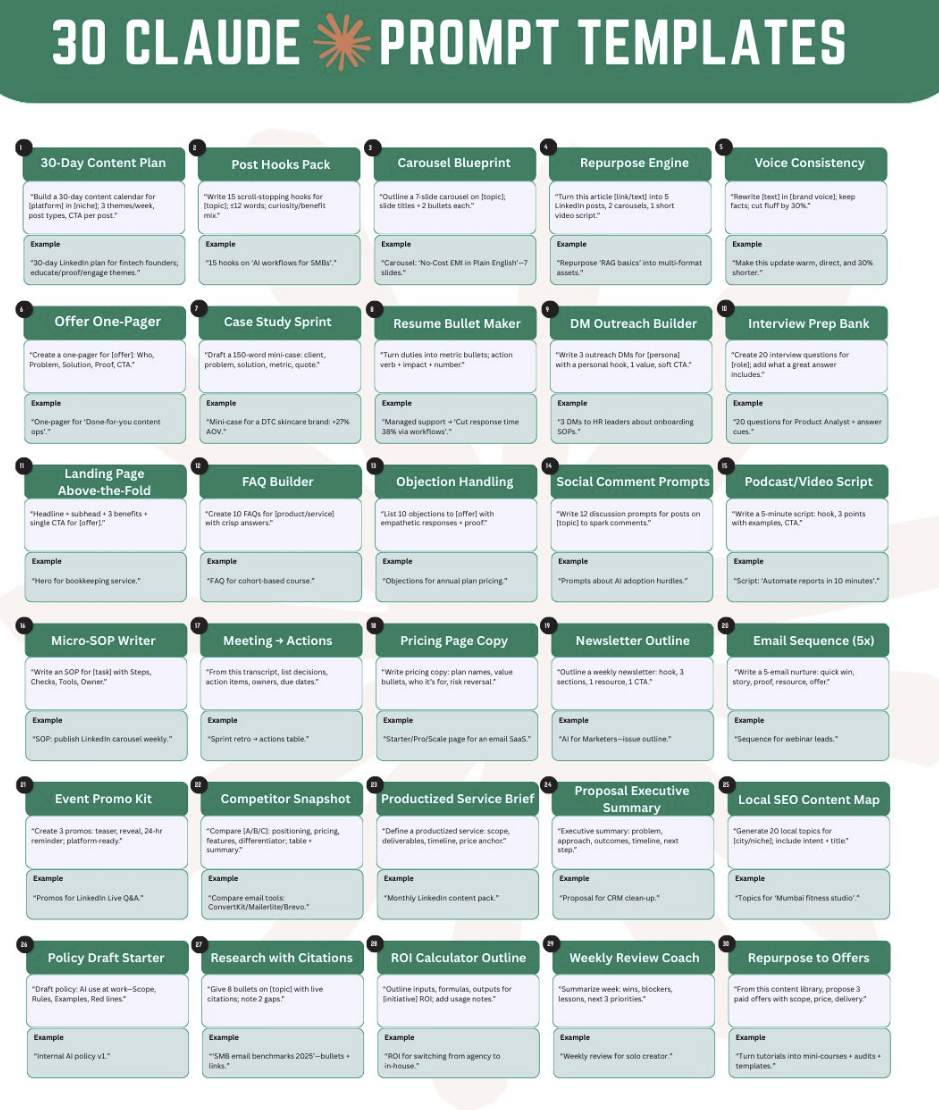
30 Claude prompts that 2X output quality
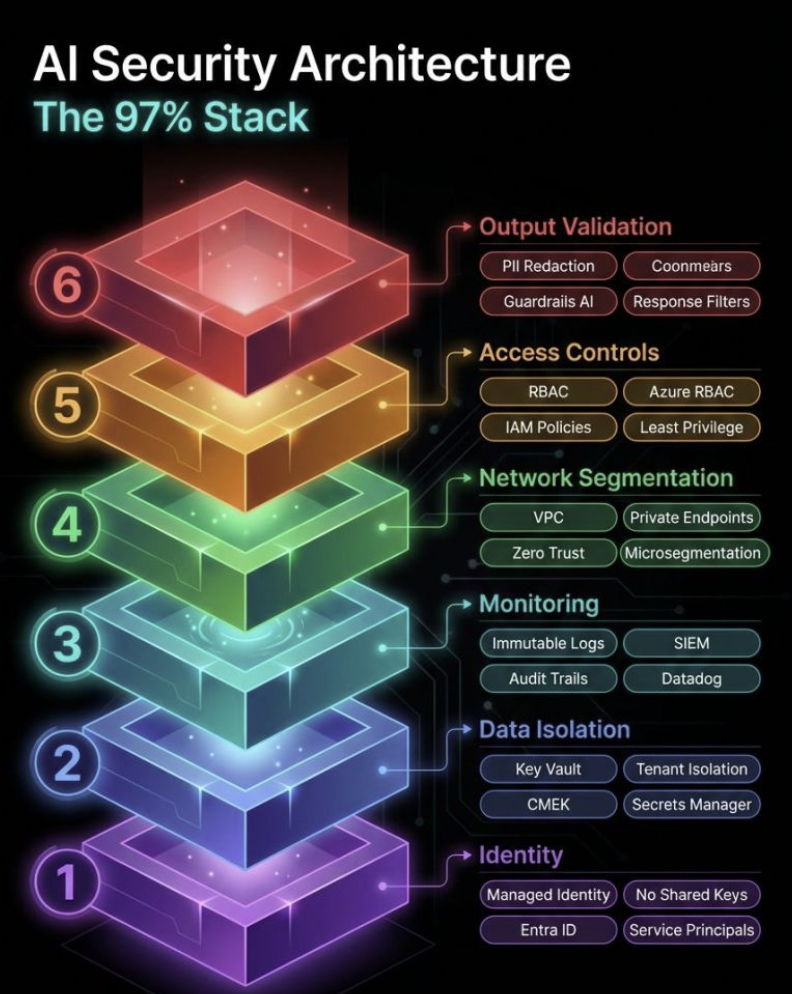
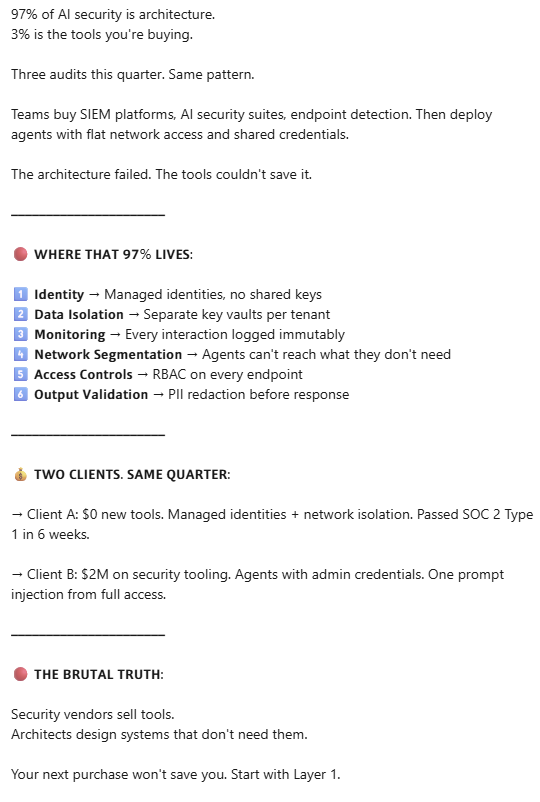
97% of AI security is architecture.

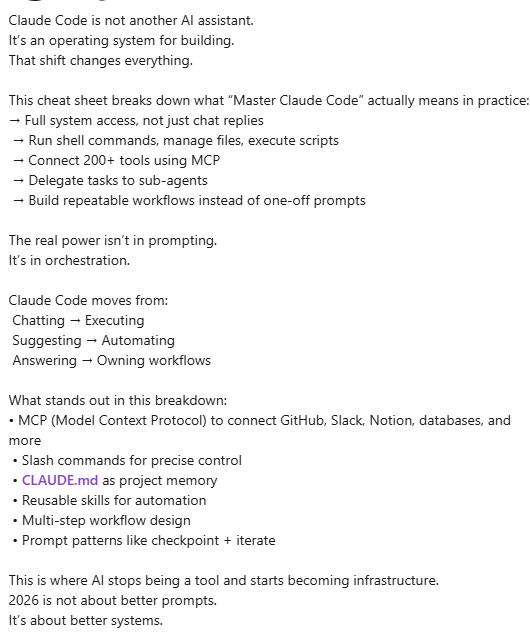
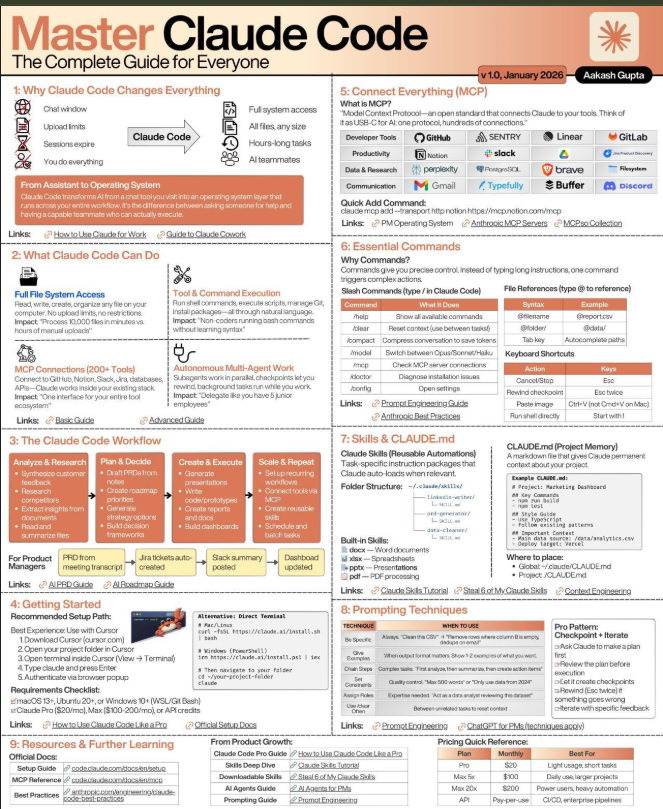
Claude Code is not another AI assistant.
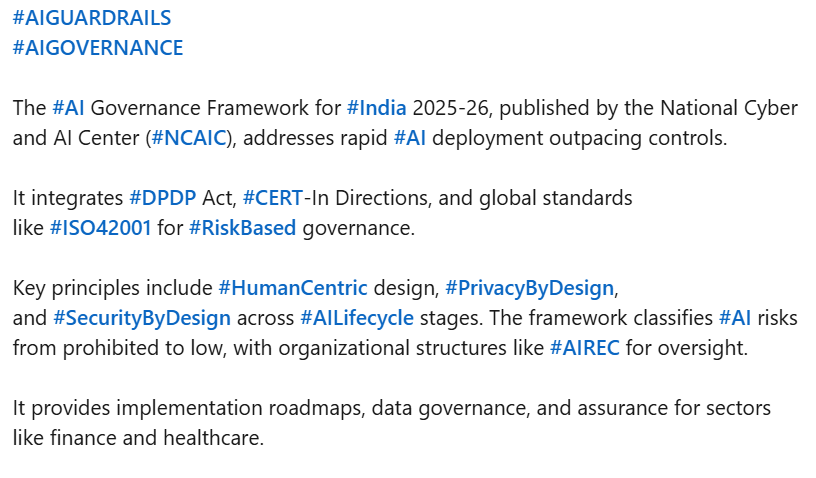
AIGUARDRAILS
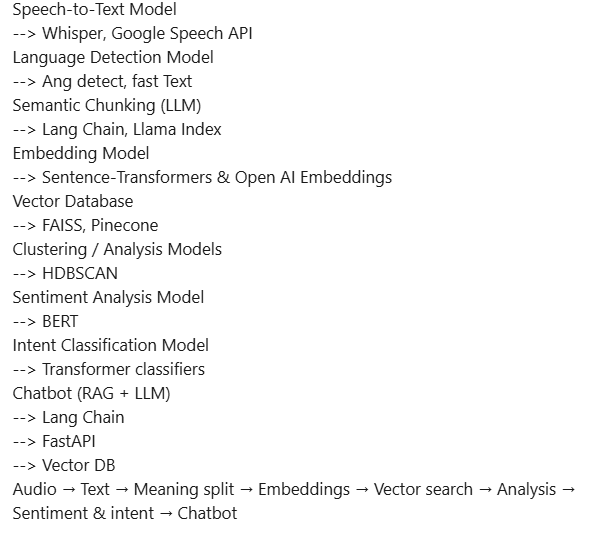
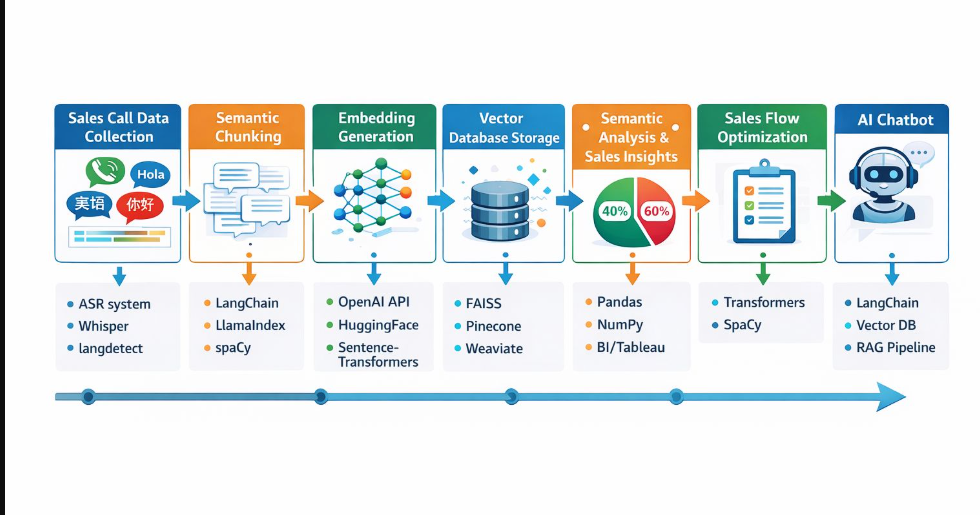
Speech-to-Text Model


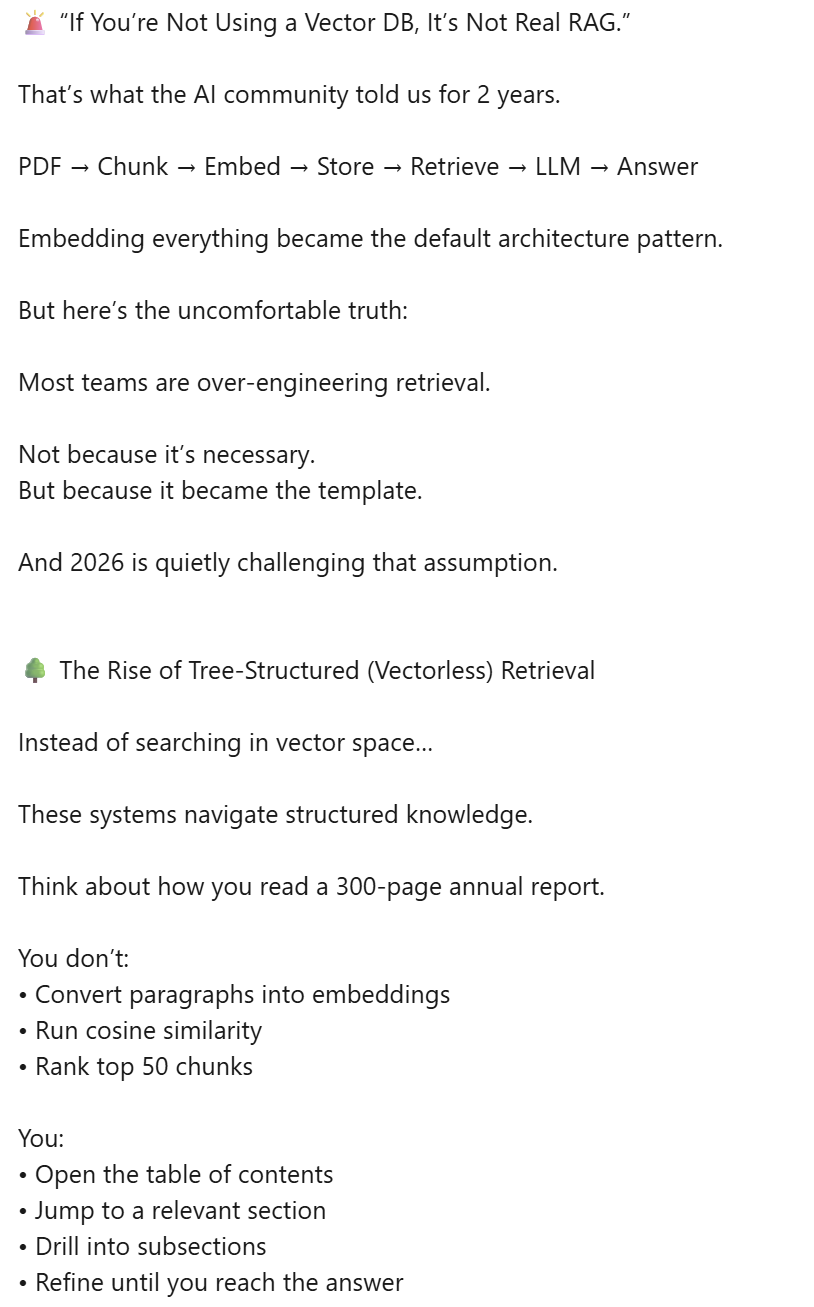
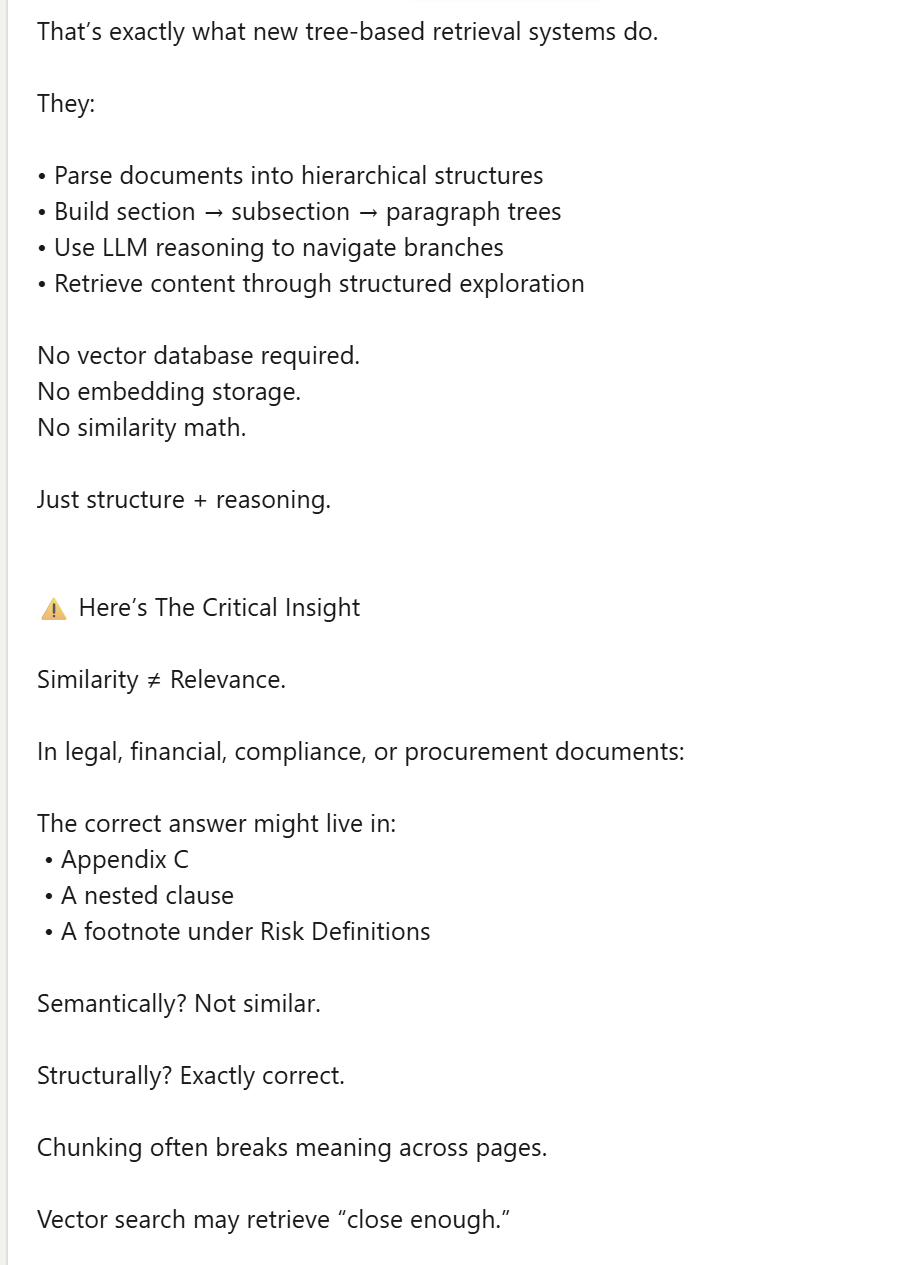
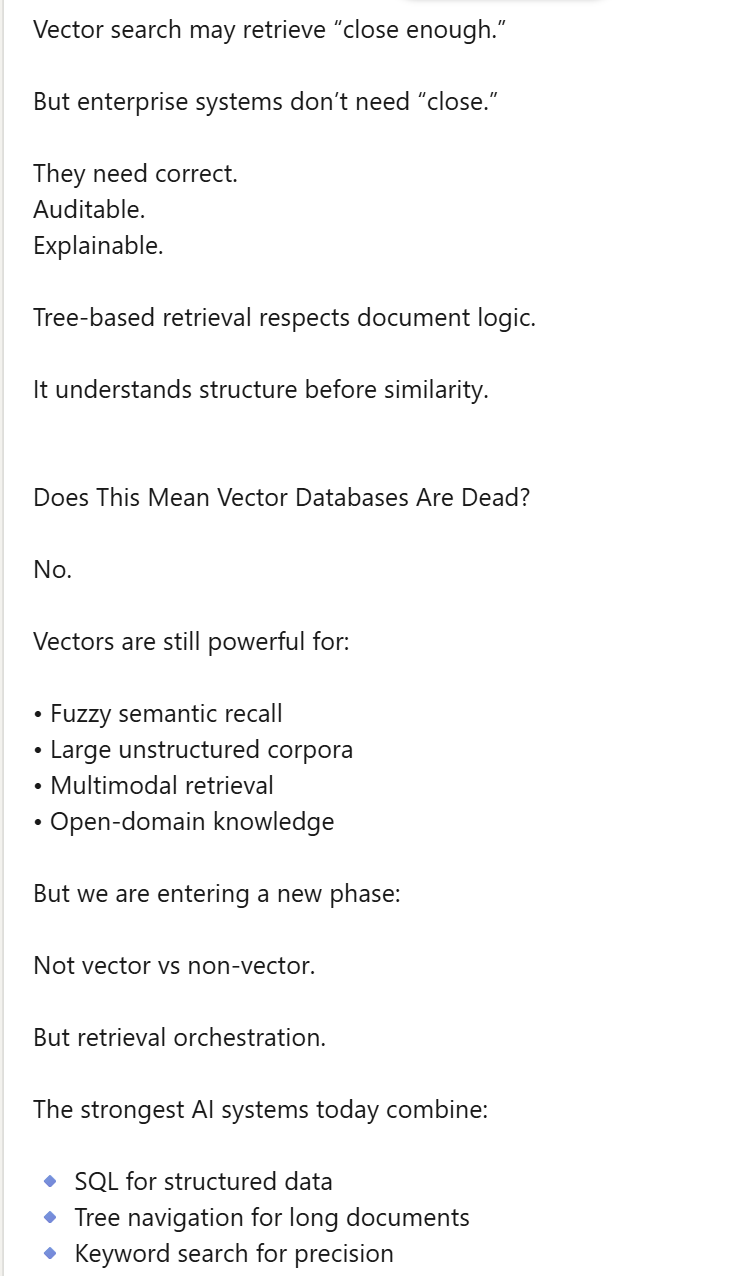
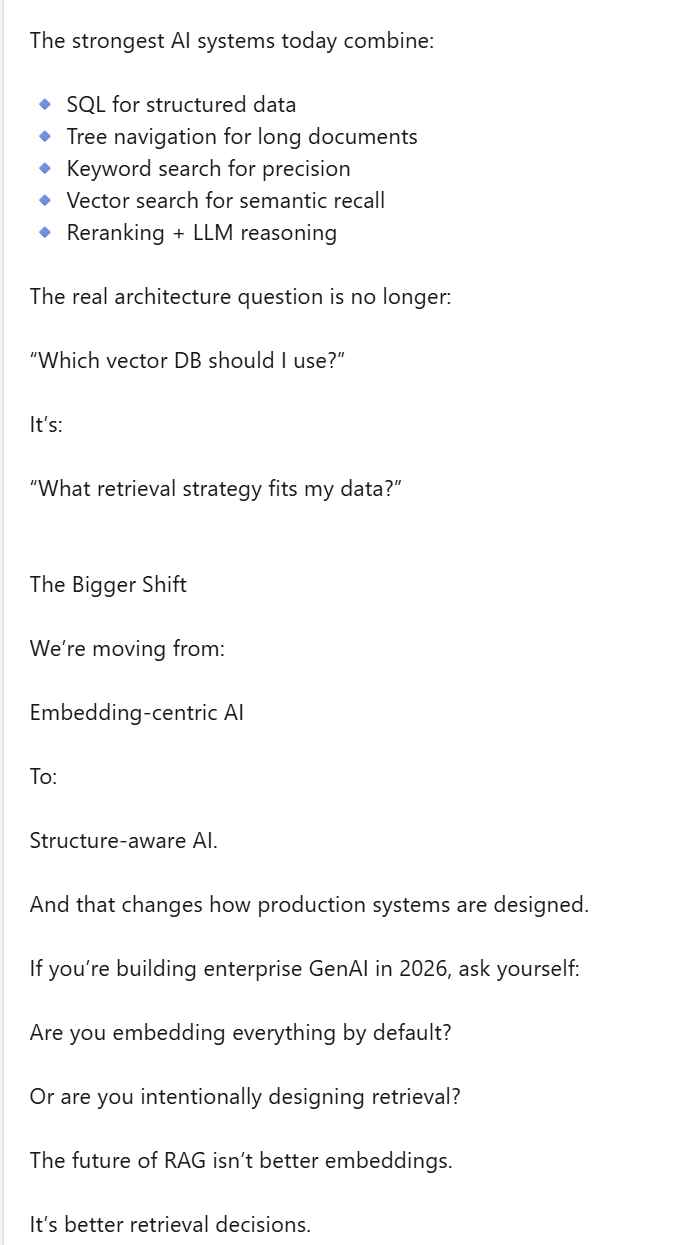
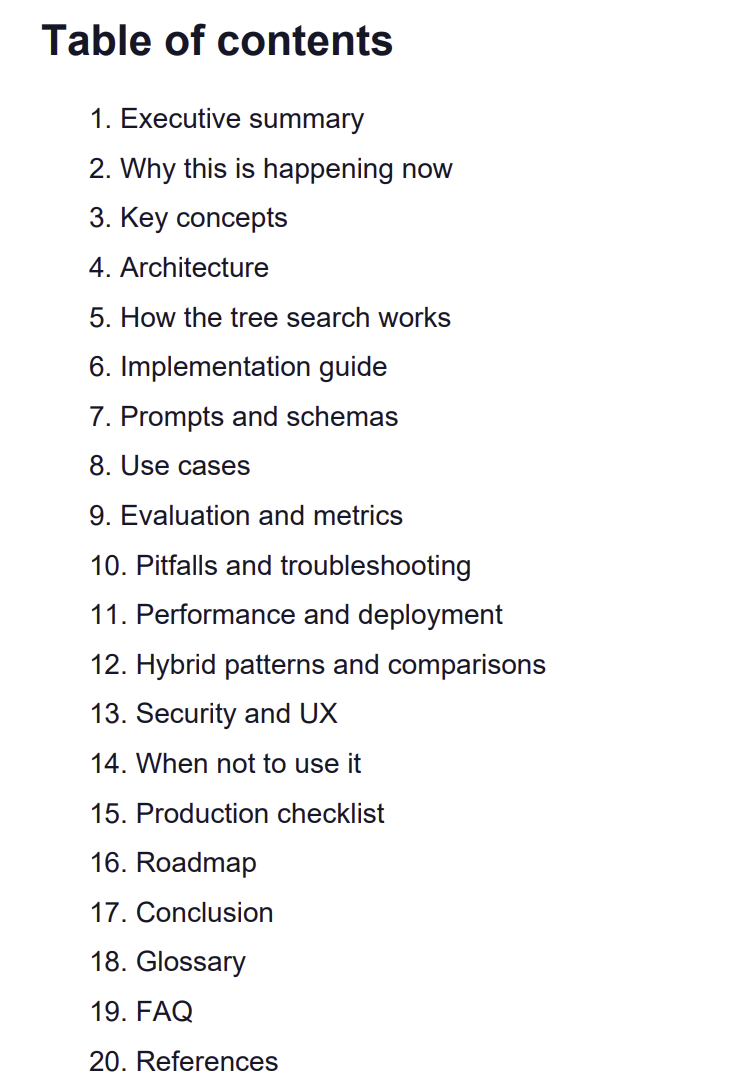
Vectorless Tree Retrieval for RAG

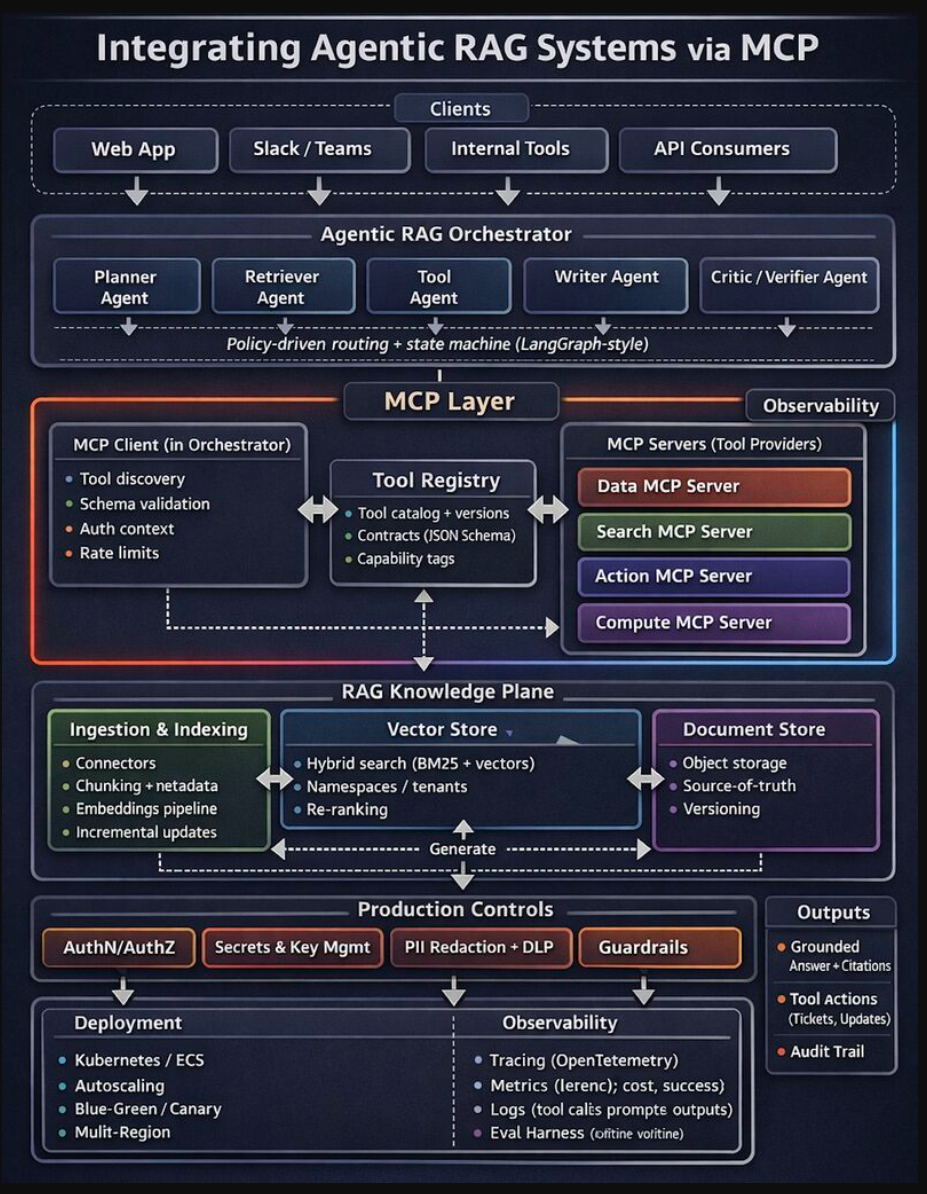
Agentic RAG with MCP Architecture

MIT literally packed 7 hours with everything:
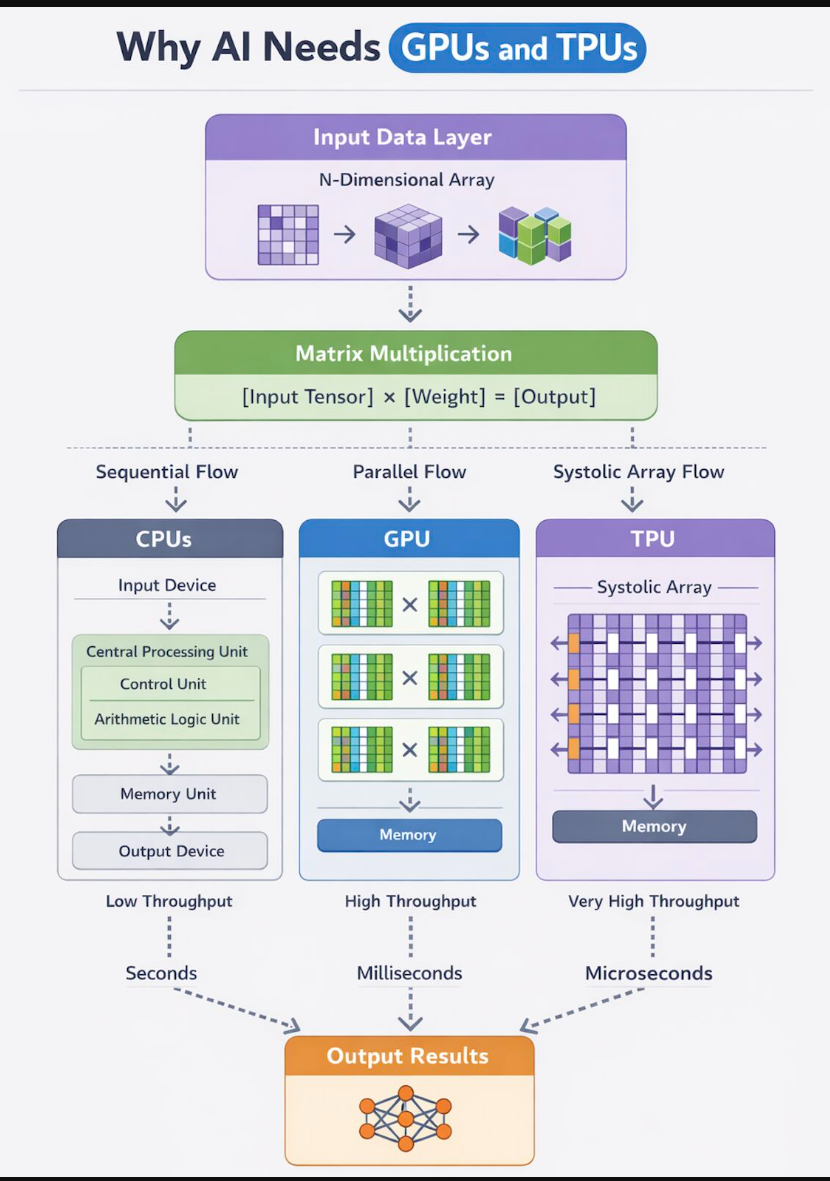
Modern AI Runs on GPUs and TPUs Instead of CPUs

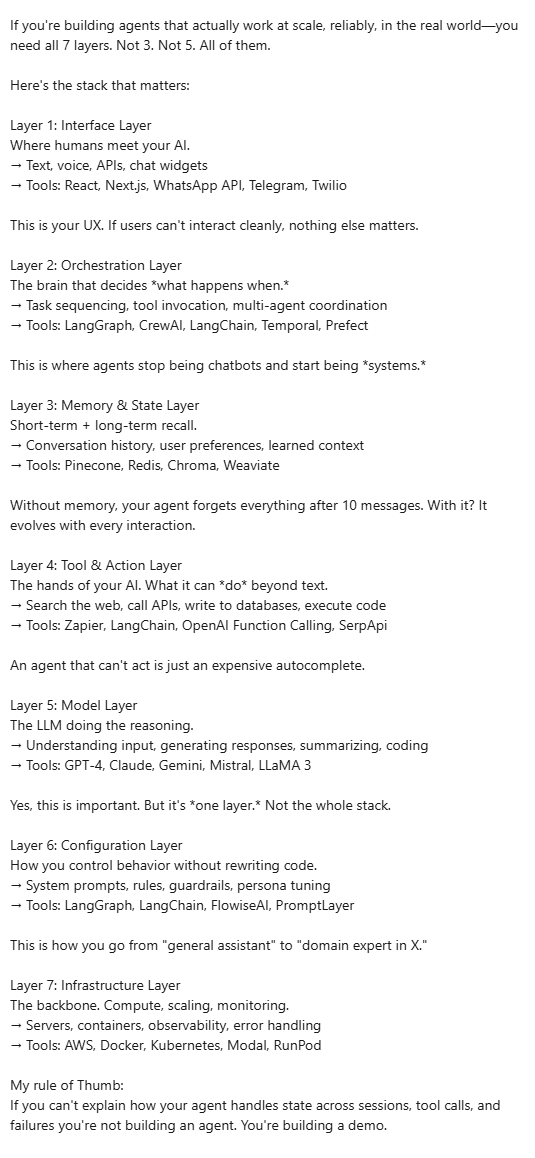
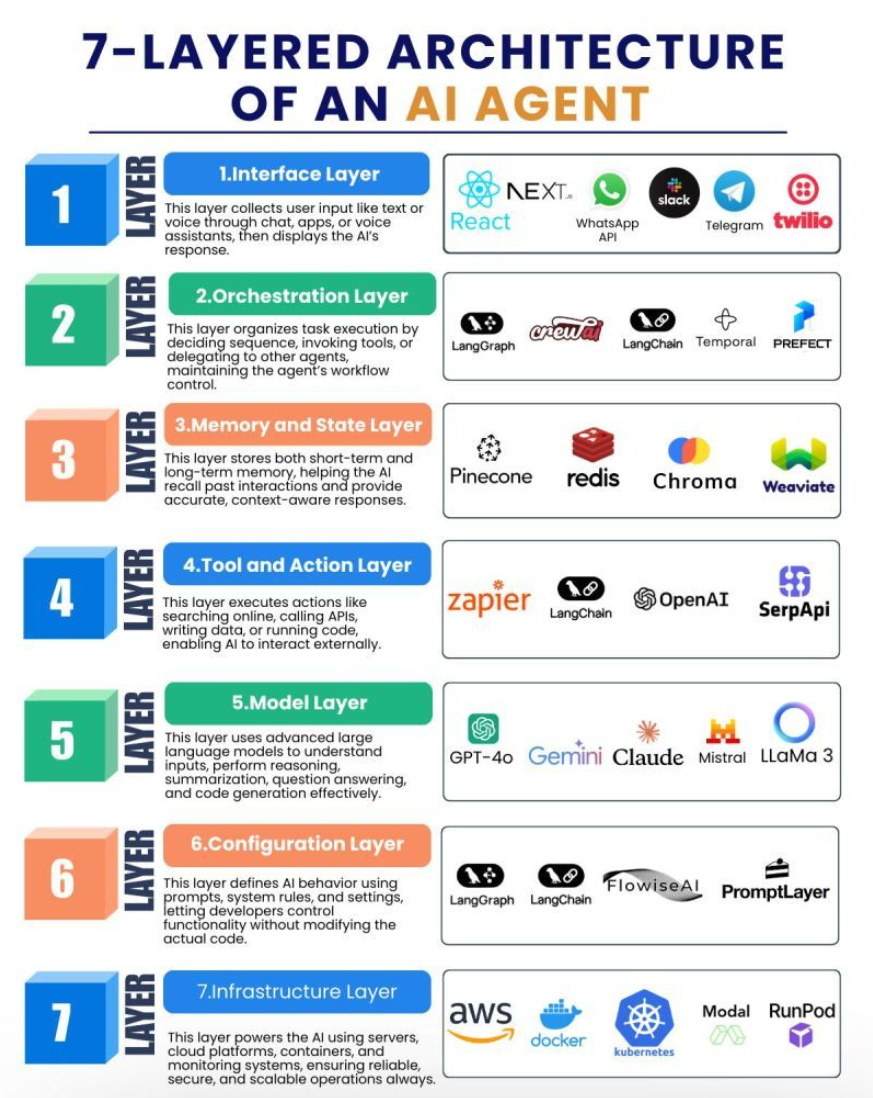
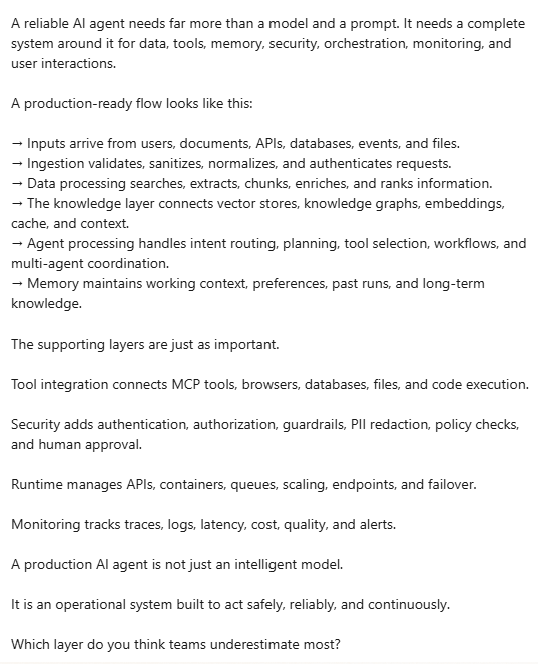
Production-Grade AI Agent
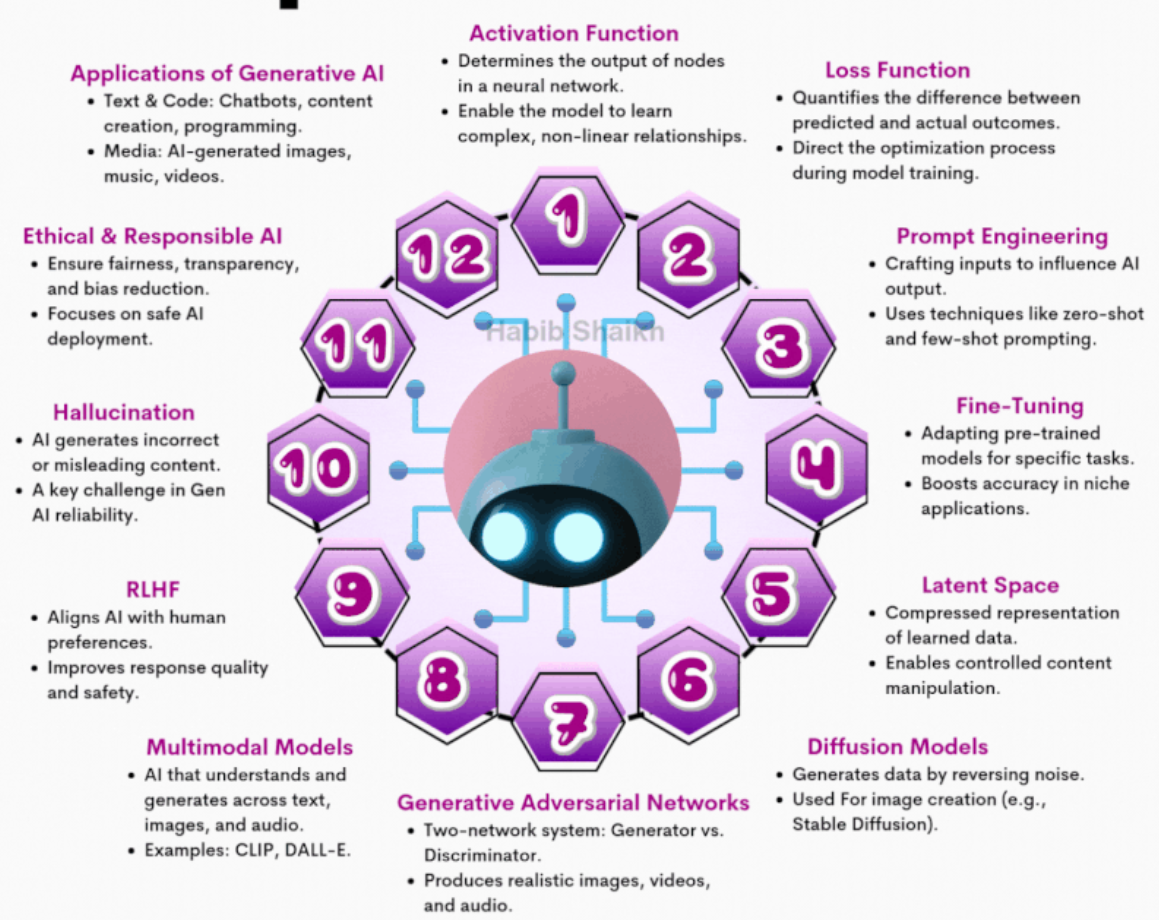
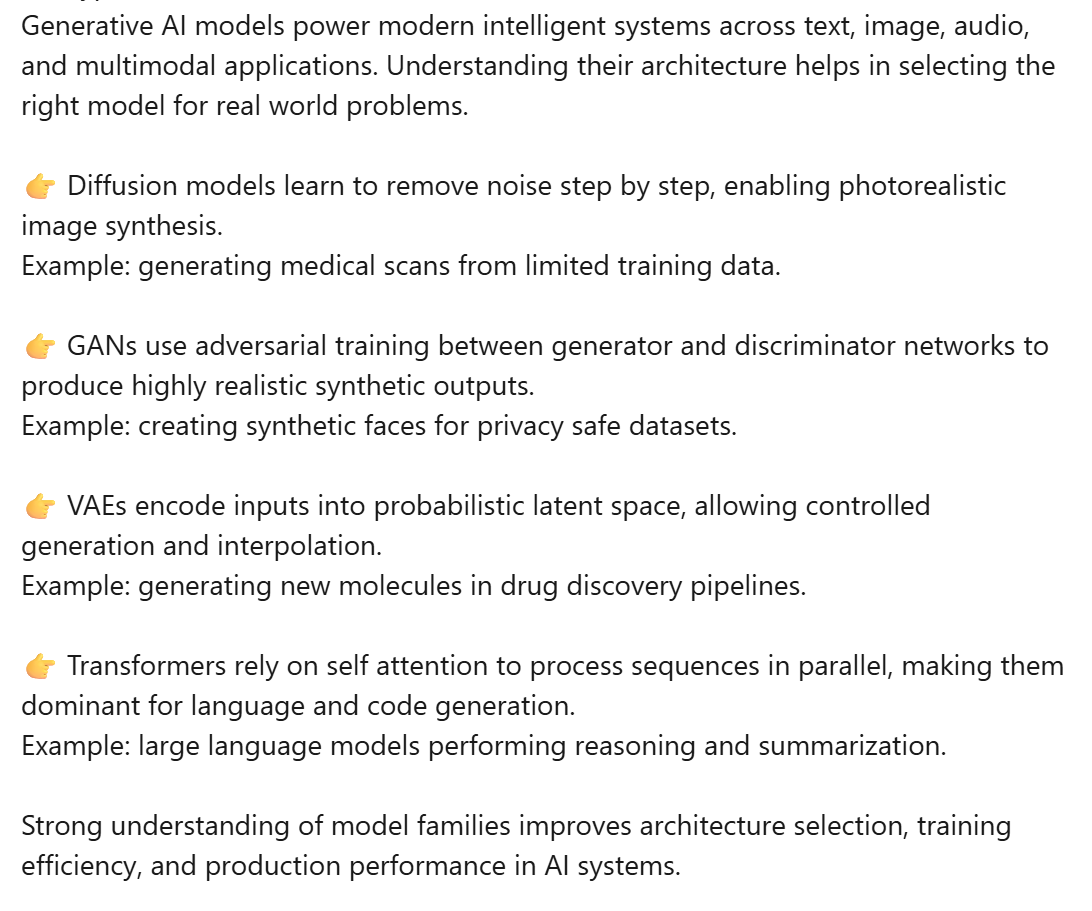
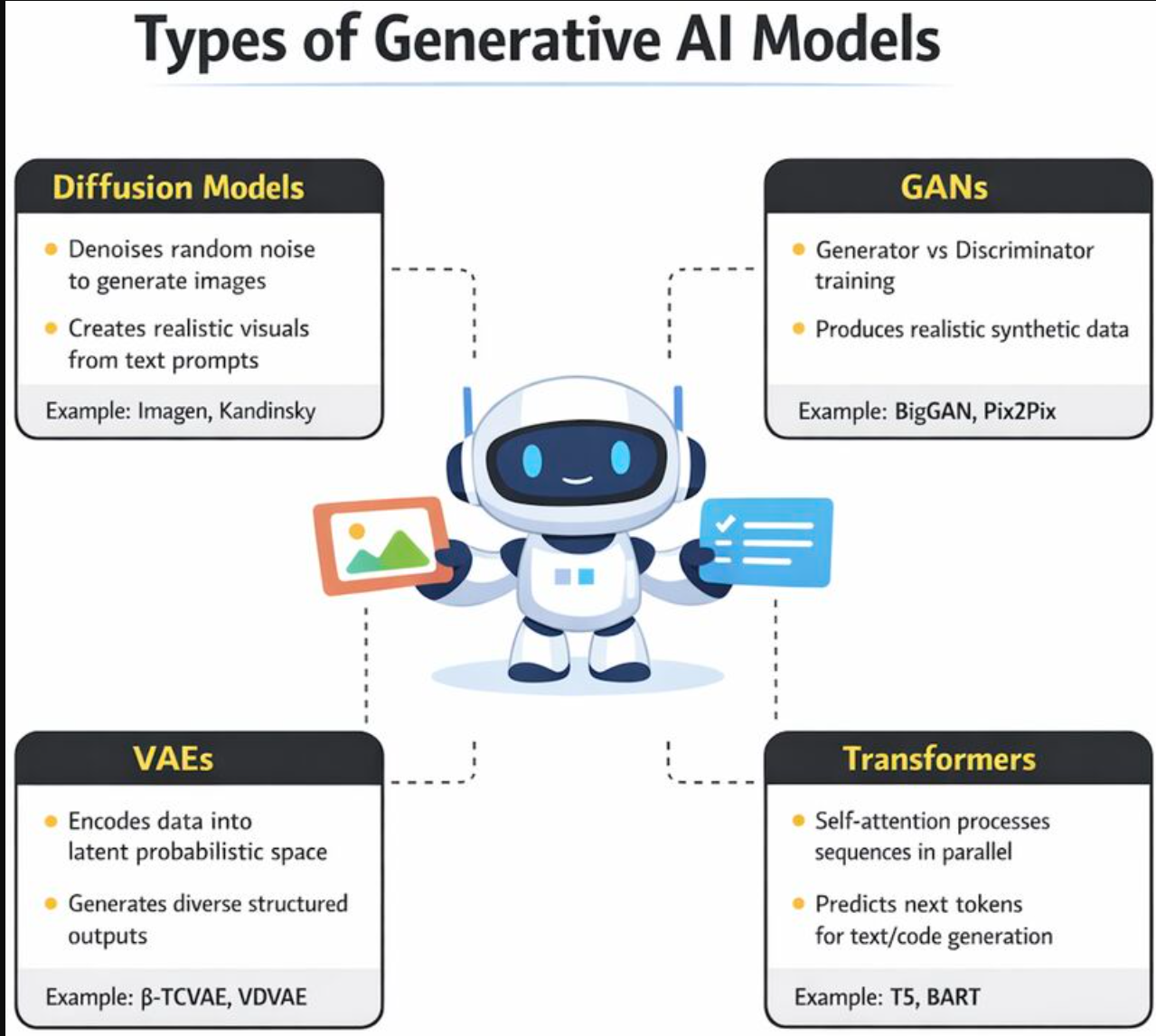
12 𝐄𝐬𝐬𝐞𝐧𝐭𝐢𝐚𝐥 𝐆𝐞𝐧𝐞𝐫𝐚𝐭𝐢𝐯𝐞 𝐀𝐈 𝐂𝐨𝐧𝐜𝐞𝐩𝐭𝐬

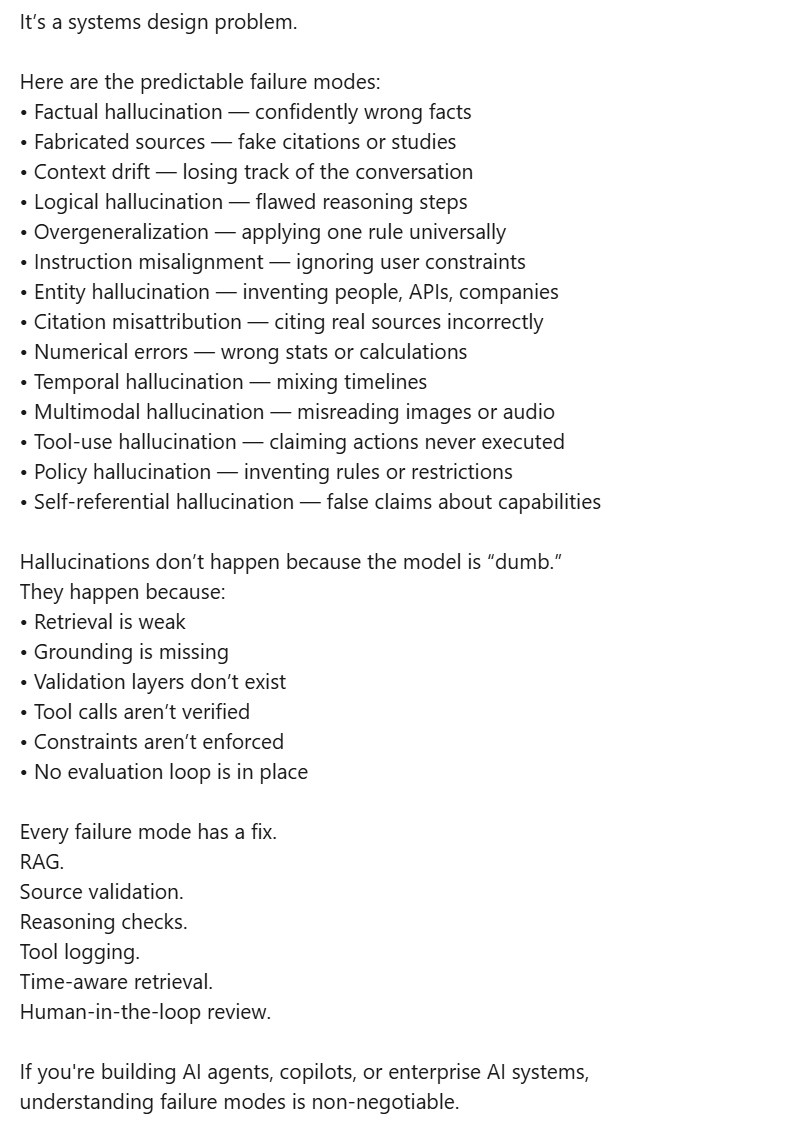
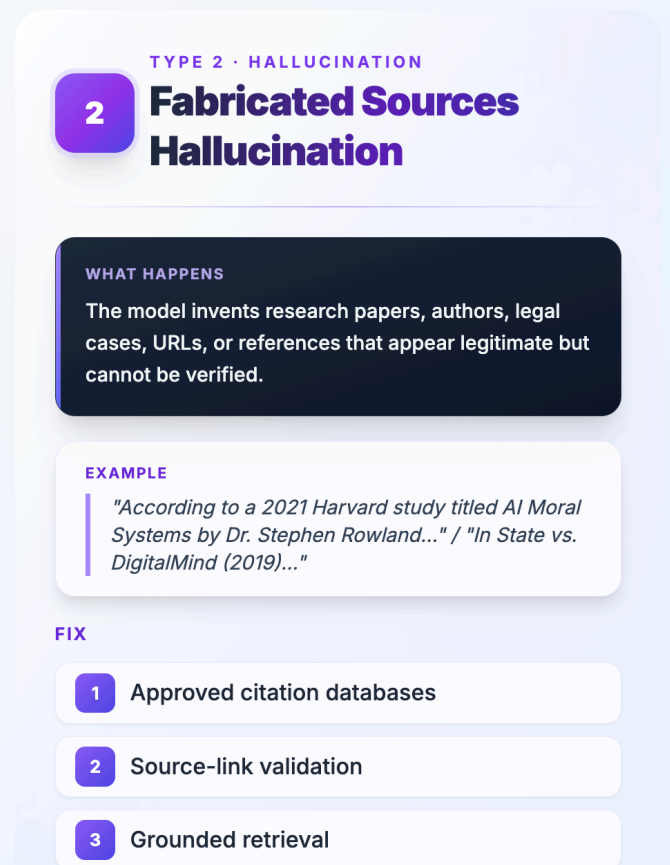
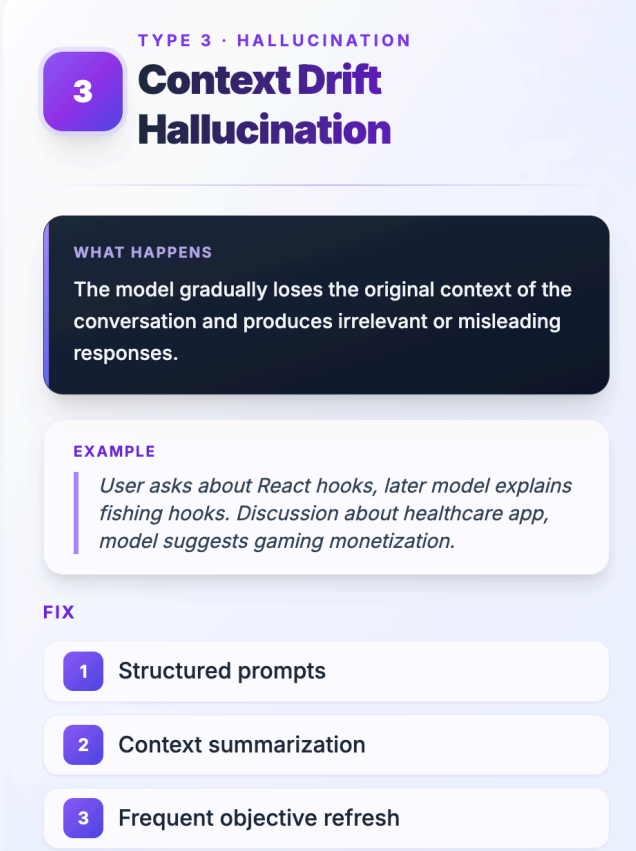
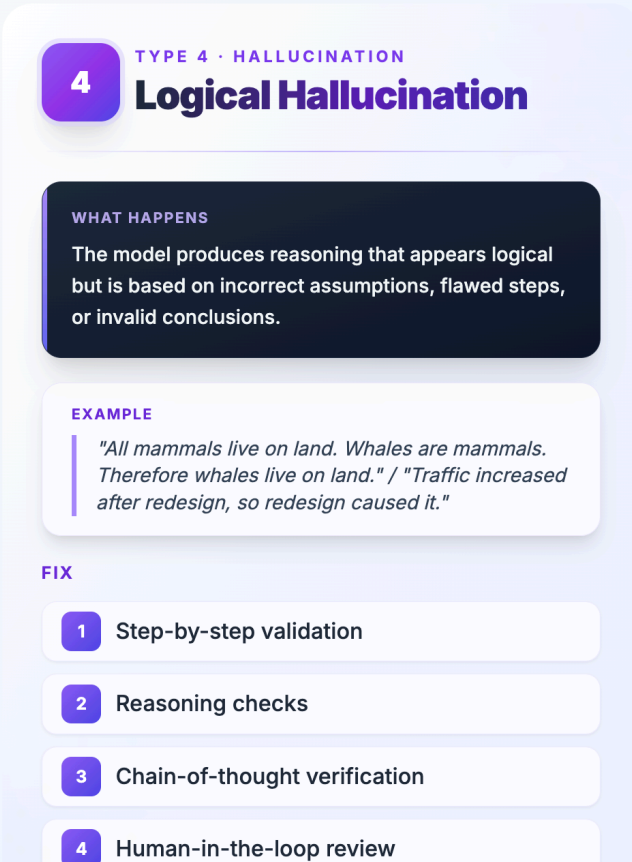
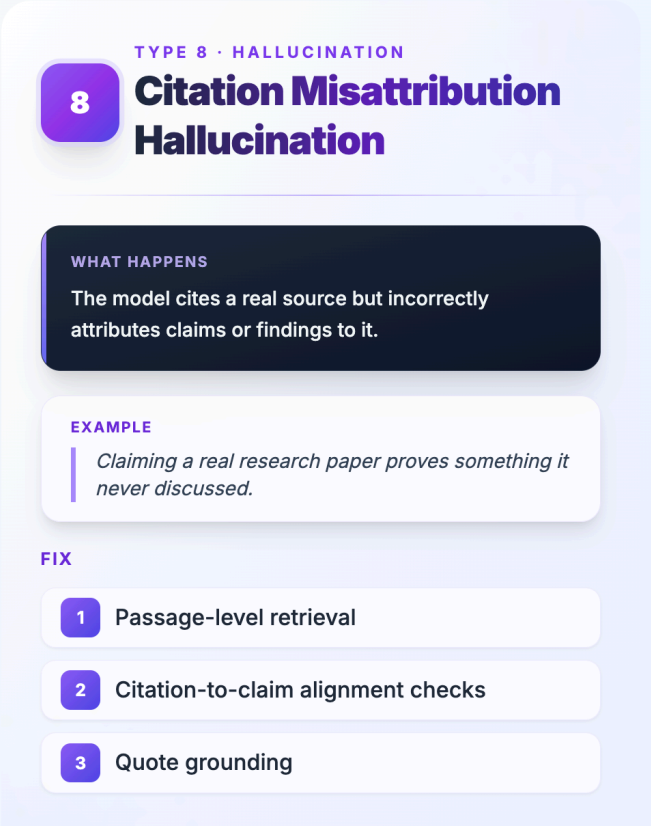
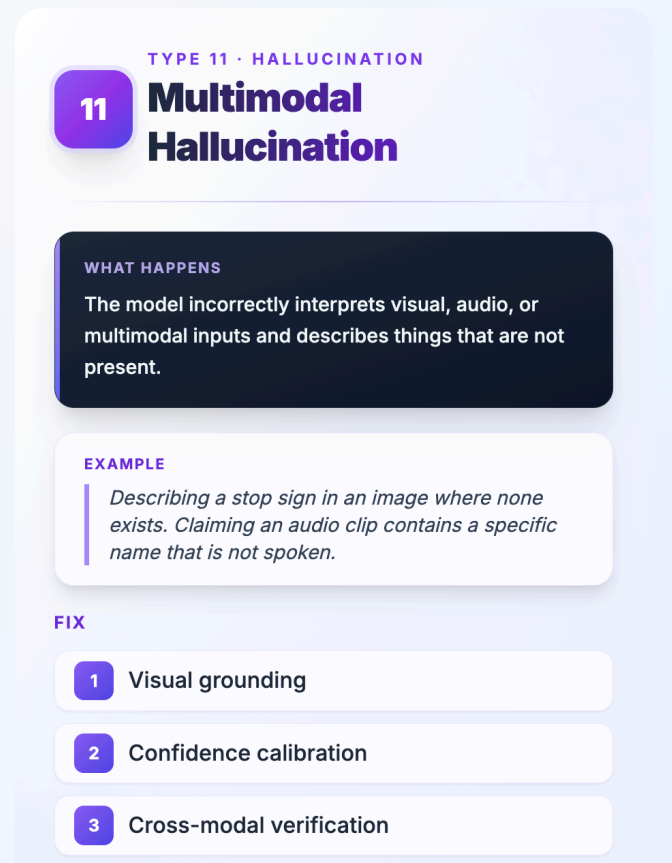
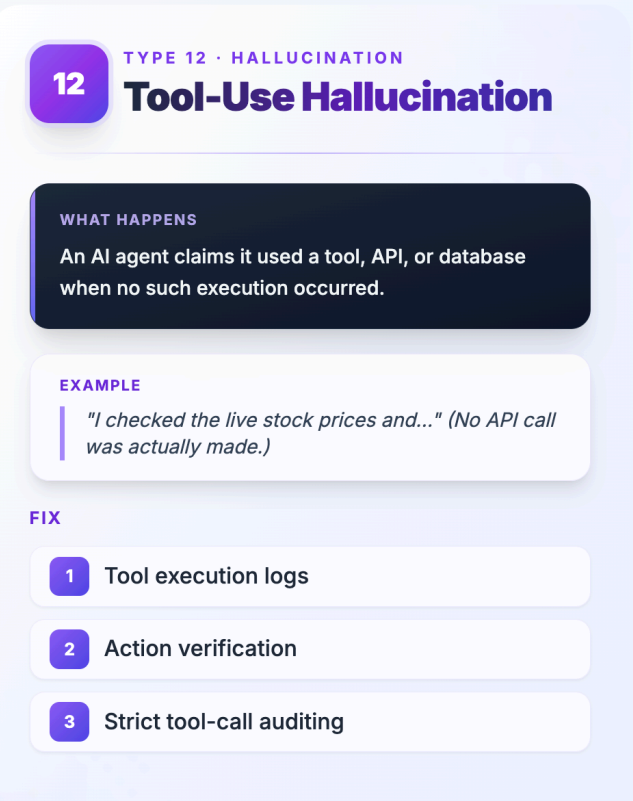
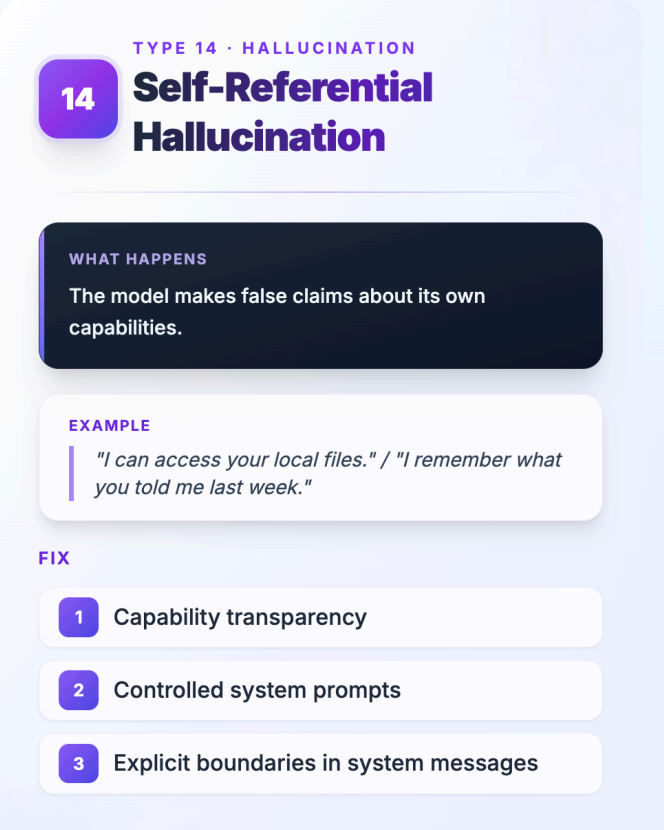
14 Types of AI Hallucinations — and how to prevent them because most teams treat hallucination like a mystery







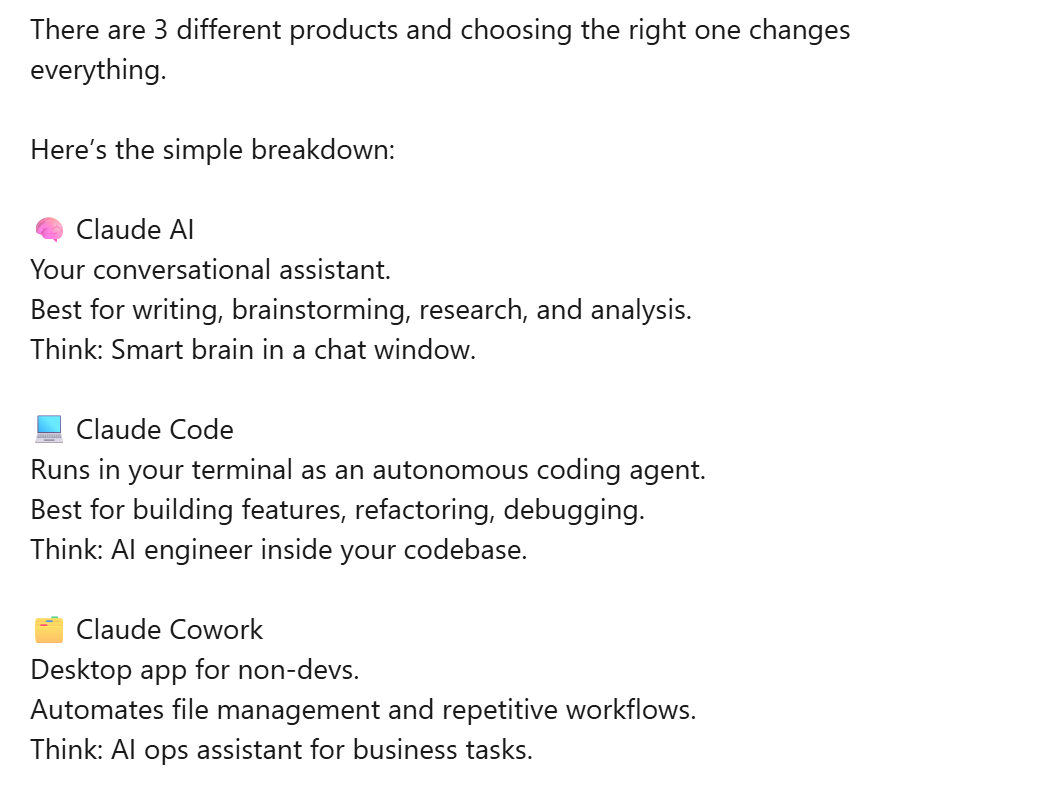
Claude AI ➜ Thinks | Claude Code ➜ Builds | Claude Cowork ➜ Automates

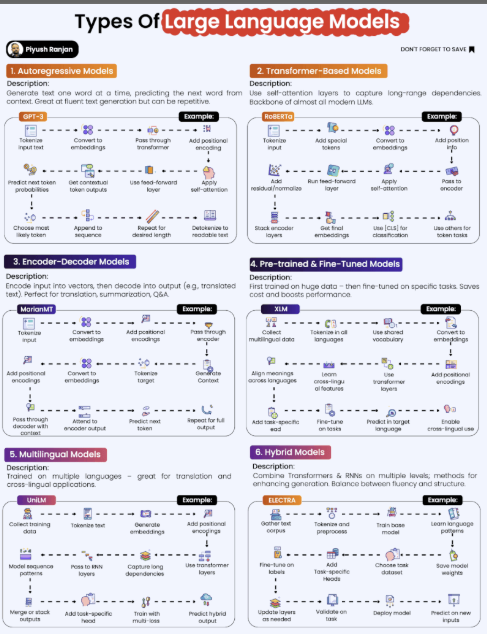
Types of Generative AI Models

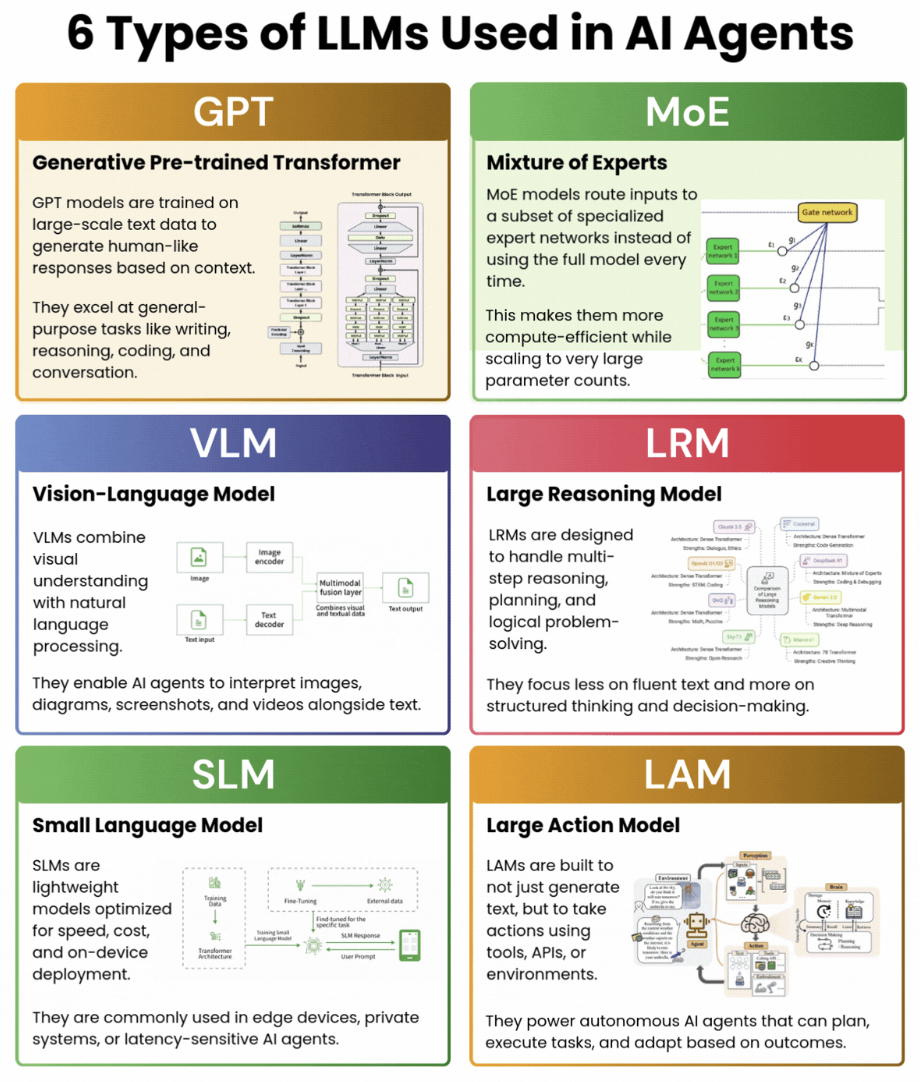
This visual captures 6 important categories:
1️⃣ 𝐆𝐏𝐓 (𝐆𝐞𝐧𝐞𝐫𝐚𝐥-𝐩𝐮𝐫𝐩𝐨𝐬𝐞 𝐦𝐨𝐝𝐞𝐥𝐬)
- Your default reasoning + generation layer.
- Great for writing, coding, and conversational tasks.
2️⃣ 𝐌𝐨𝐄 (𝐌𝐢𝐱𝐭𝐮𝐫𝐞 𝐨𝐟 𝐄𝐱𝐩𝐞𝐫𝐭𝐬)
- Instead of using the full model every time, it routes inputs to specialized sub-networks.
- Better efficiency + scalability at large scale.
3️⃣ 𝐕𝐋𝐌 (𝐕𝐢𝐬𝐢𝐨𝐧-𝐋𝐚𝐧𝐠𝐮𝐚𝐠𝐞 𝐌𝐨𝐝𝐞𝐥𝐬)
- Handles multimodal inputs.
- Agents can now read screenshots, interpret diagrams, understand images + text together
4️⃣ 𝐋𝐑𝐌 (𝐋𝐚𝐫𝐠𝐞 𝐑𝐞𝐚𝐬𝐨𝐧𝐢𝐧𝐠 𝐌𝐨𝐝𝐞𝐥𝐬)
- Focused on structured thinking.
- Less about fluent text, more about multi-step reasoning, decision-making
5️⃣ 𝐒𝐋𝐌 (𝐒𝐦𝐚𝐥𝐥 𝐋𝐚𝐧𝐠𝐮𝐚𝐠𝐞 𝐌𝐨𝐝𝐞𝐥𝐬)
- Optimized for low latency, on-device inference and cost efficiency
- Useful for edge AI and real-time systems.
6️⃣ 𝐋𝐀𝐌 (𝐋𝐚𝐫𝐠𝐞 𝐀𝐜𝐭𝐢𝐨𝐧 𝐌𝐨𝐝𝐞𝐥𝐬)
- This is where agents become agents.
- Not just generating text, but calling tools, executing actions, interacting with environments
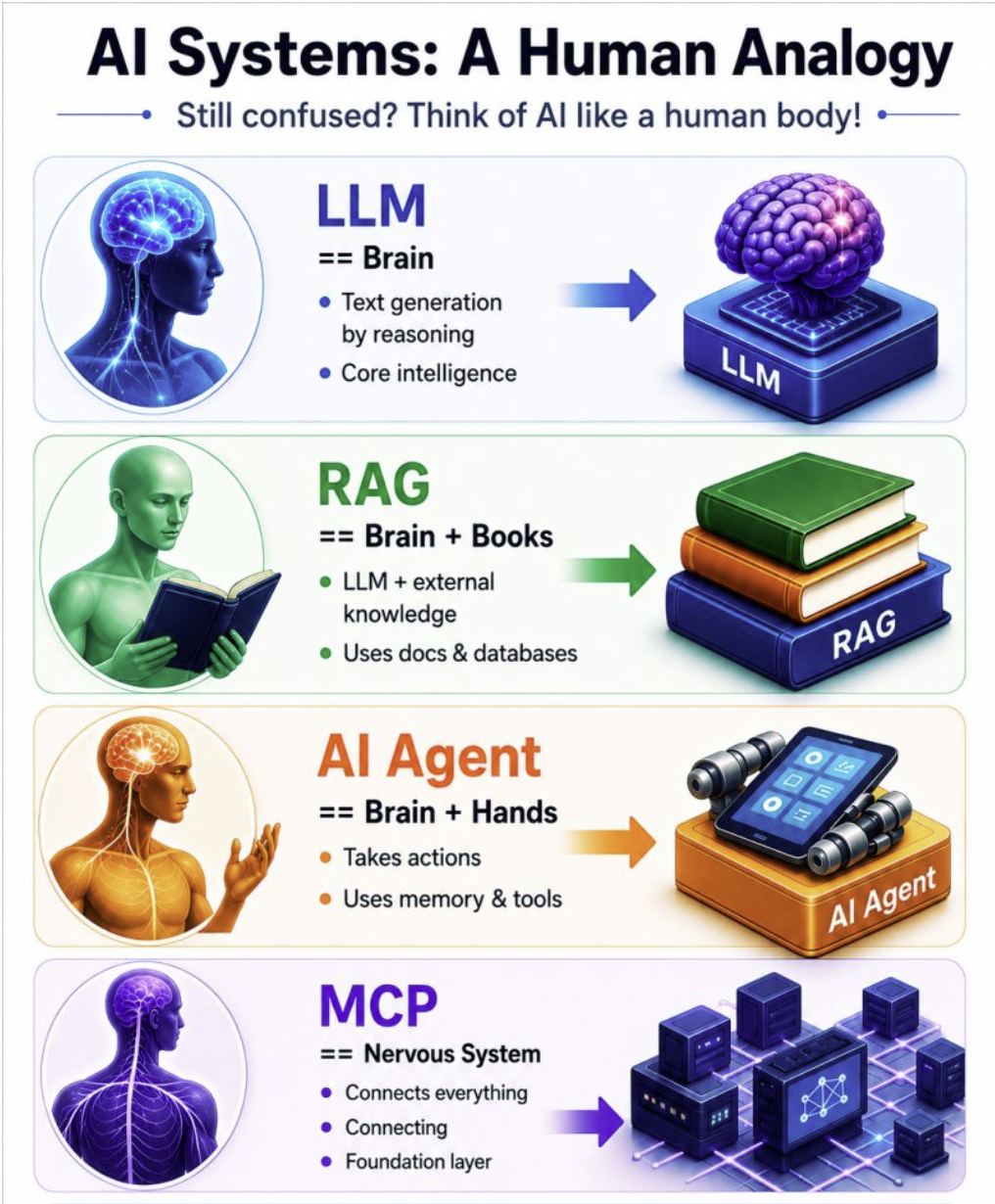
AI Anatomy” to help you actually understand what’s going on:

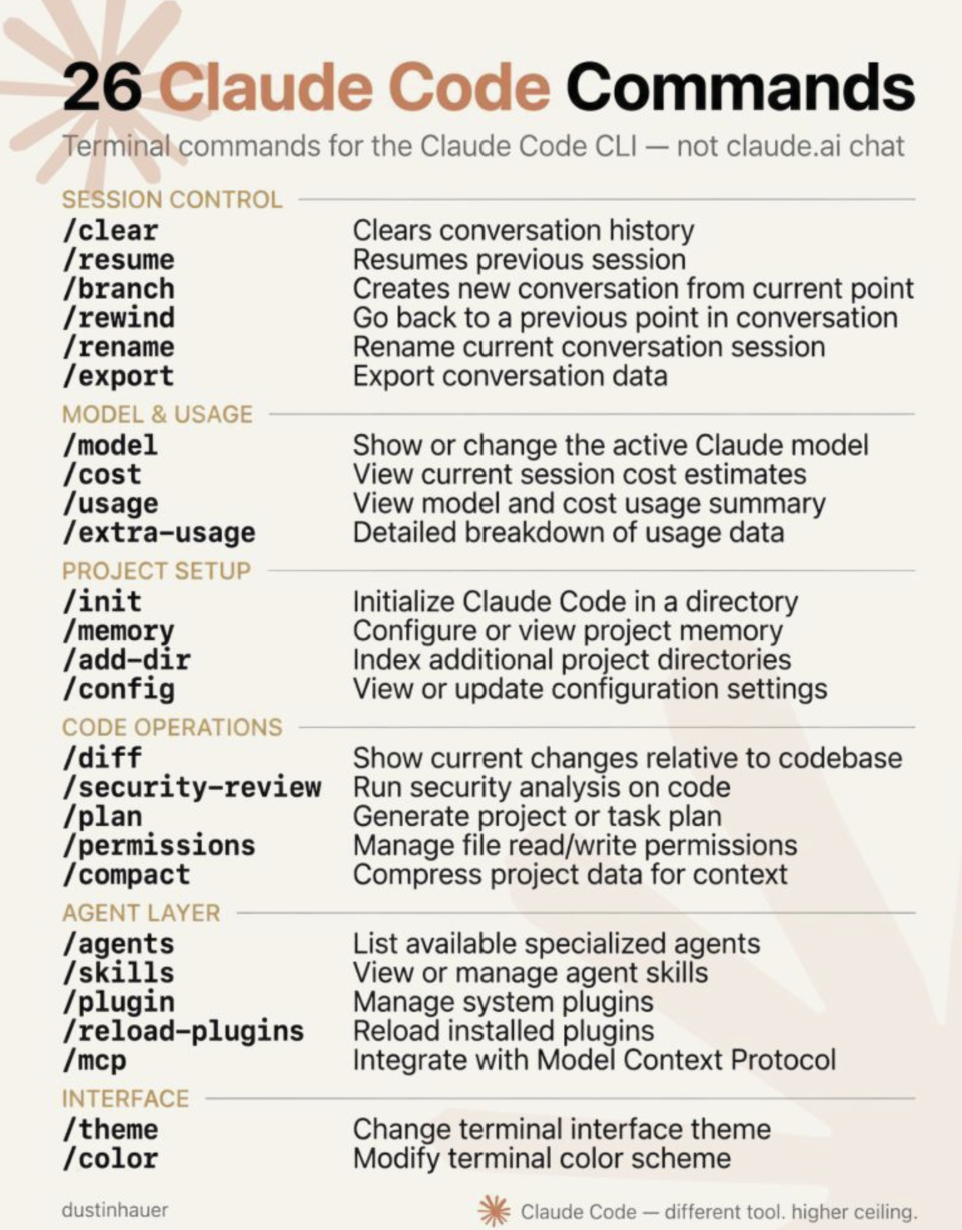
CLAUDE CODE COMMAND

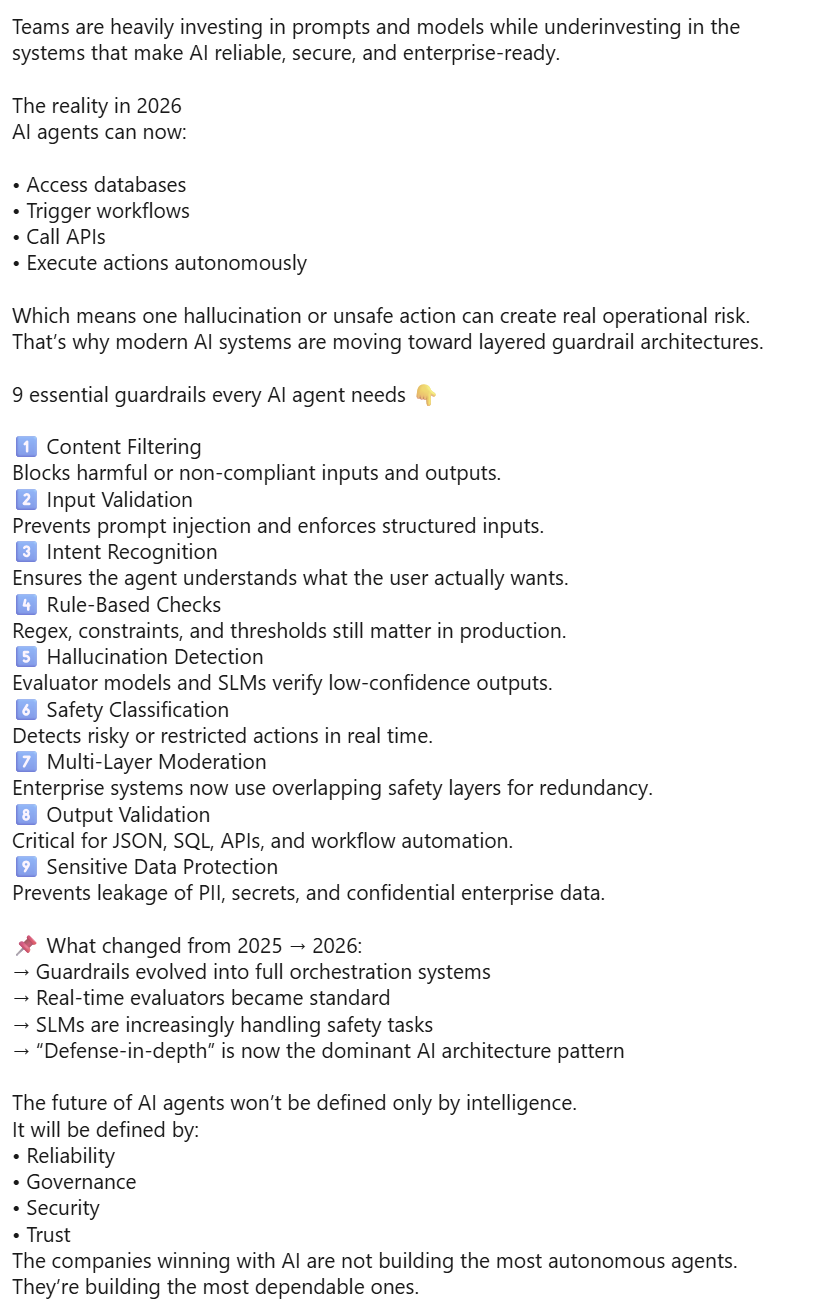
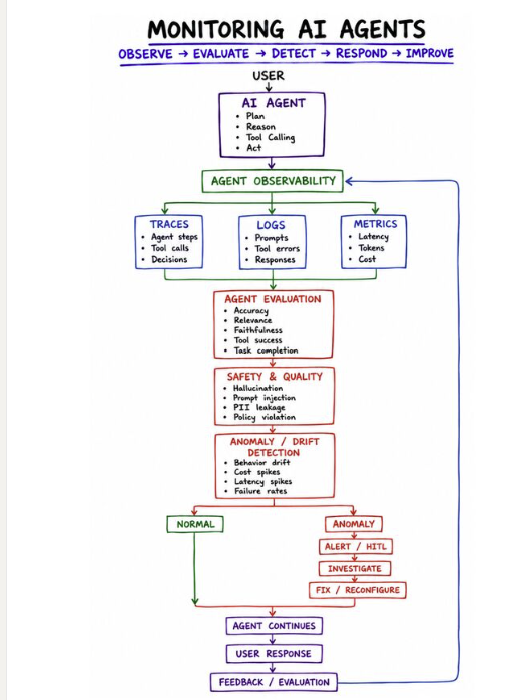
Most AI agent failures in production are NOT model problems.
- They’re guardrail failures.
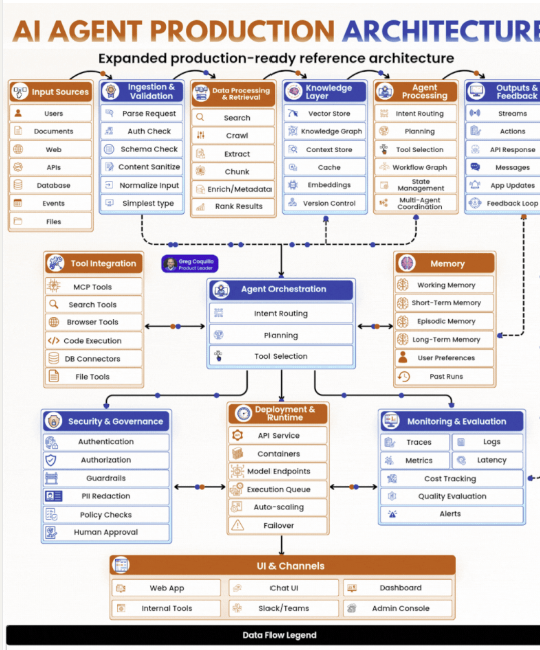
Production is where the real architecture begins.
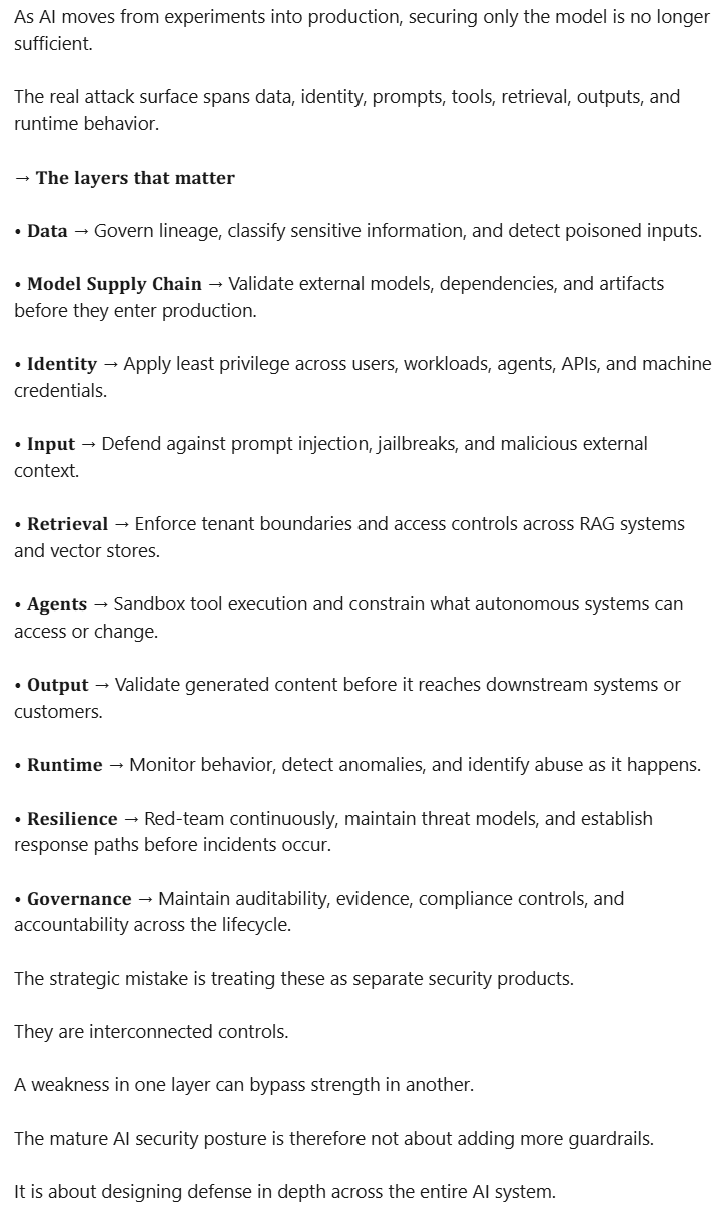
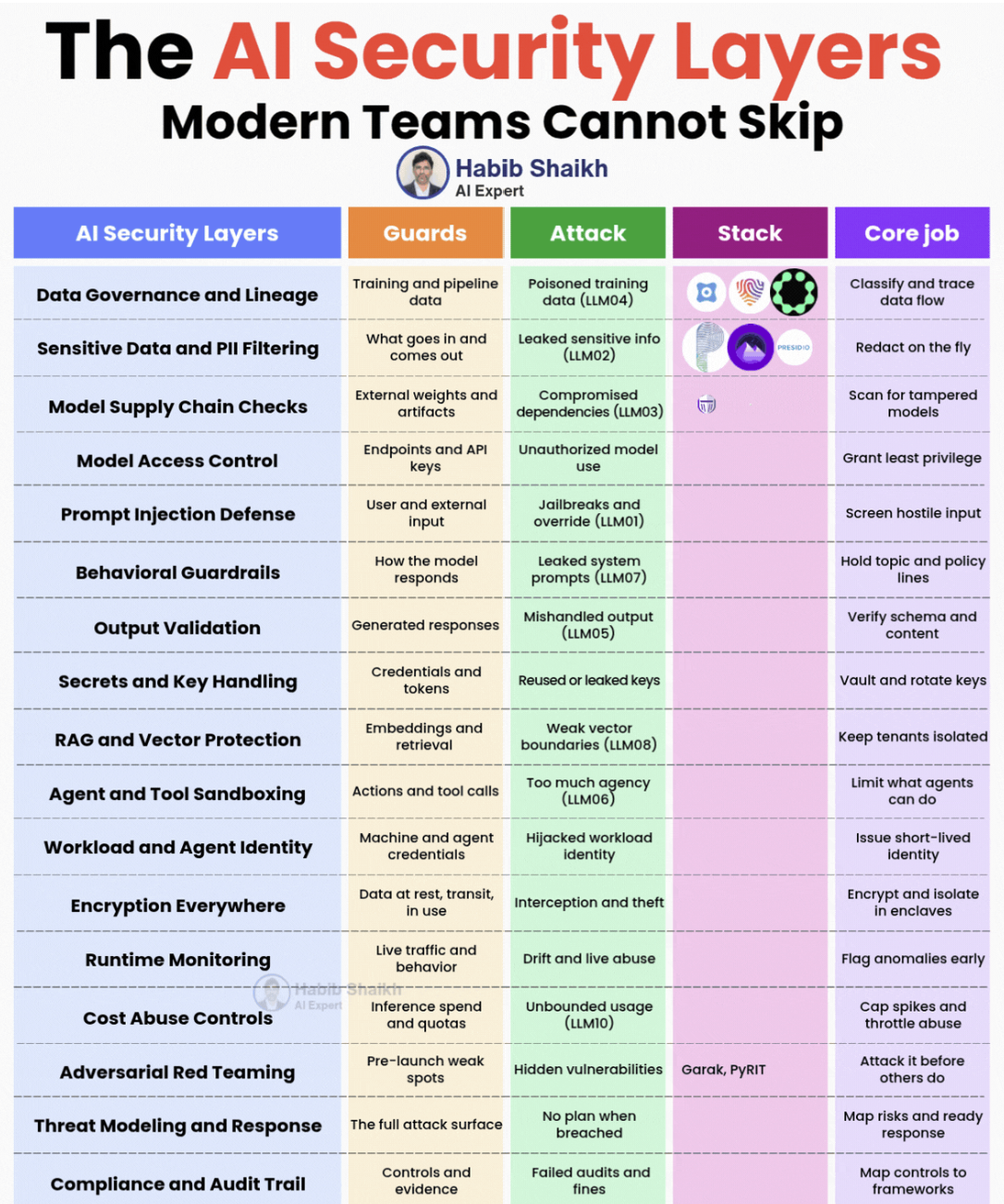
𝐀𝐈 𝐒𝐞𝐜𝐮𝐫𝐢𝐭𝐲 𝐈𝐬𝐧’𝐭 𝐎𝐧𝐞 𝐂𝐨𝐧𝐭𝐫𝐨𝐥.
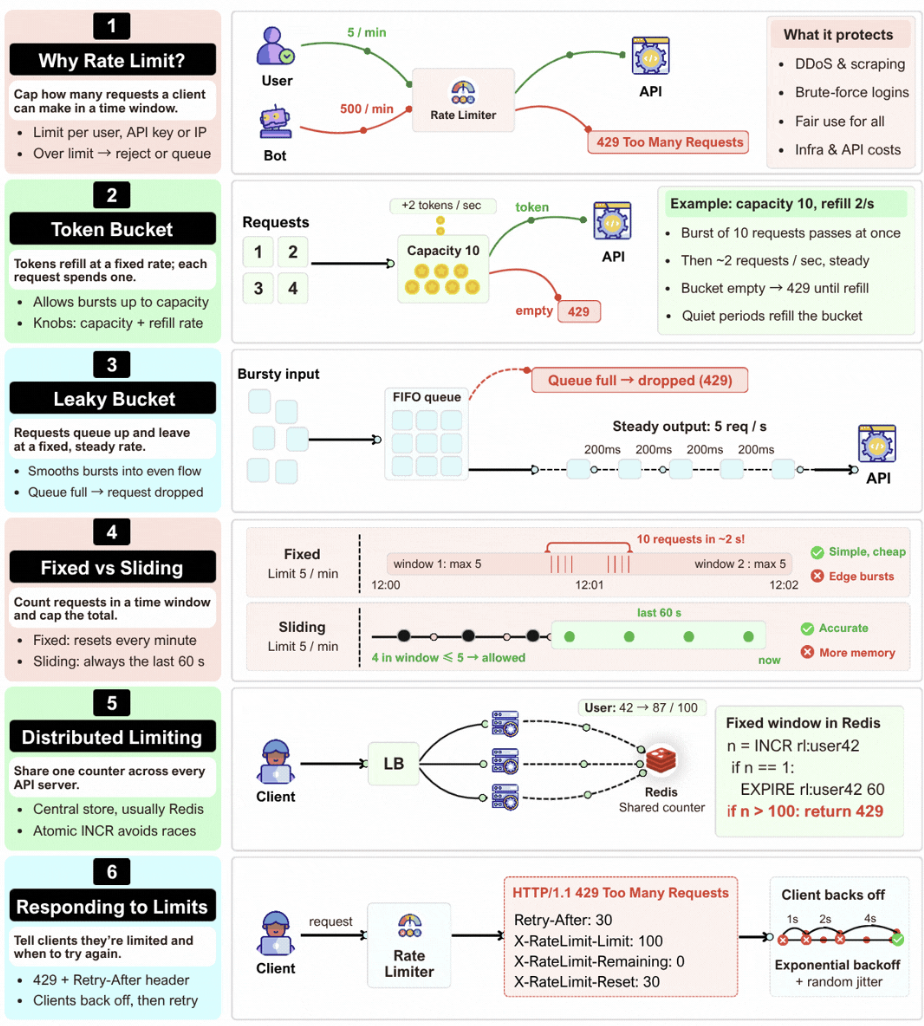
Rate Limiting Explained!
- Your API can handle 1,000 requests per second.But what happens when one user sends 10,000 requests in just a few seconds?Without rate limiting, your servers could slow down, crash, or become unnecessarily expensive.That’s why rate limiting is one of the most important concepts in system design.
Here are 6 concepts every developer should understand:
-1. Why Rate Limiting?
Controls how many requests a user, API key, or IP can send within a specific period to prevent abuse and server overload.
-2. Token Bucket
Uses tokens that refill at a fixed rate, allowing short bursts of traffic while maintaining a controlled average request rate.
-3. Leaky Bucket
Places incoming requests into a queue and processes them at a steady rate, preventing sudden traffic spikes from overwhelming servers.
-4. Fixed vs. Sliding Window
Fixed windows reset request counters at regular intervals, while sliding windows track requests over a rolling period for more accurate limits.
-5. Distributed Rate Limiting
Uses shared counters, often stored in Redis, to enforce consistent request limits across multiple API servers.
-6. Responding to Limits
Returns HTTP 429 when limits are exceeded and uses Retry-After headers to guide clients on when to retry safely.
-The important lesson?
-Rate limiting isn’t just about blocking excessive requests.
-It’s about balancing performance, fairness, reliability, and infrastructure costs.

📜 License

Licensed under the MIT License - Feel free to fork and build upon this innovation! 🚀
💼 Professional Networks


🚀 AI/ML & Data Science


📊 GitHub Stats & Metrics 📊


评论